This Hilarious, Indulgent Novel Makes The Perfect Summer Read
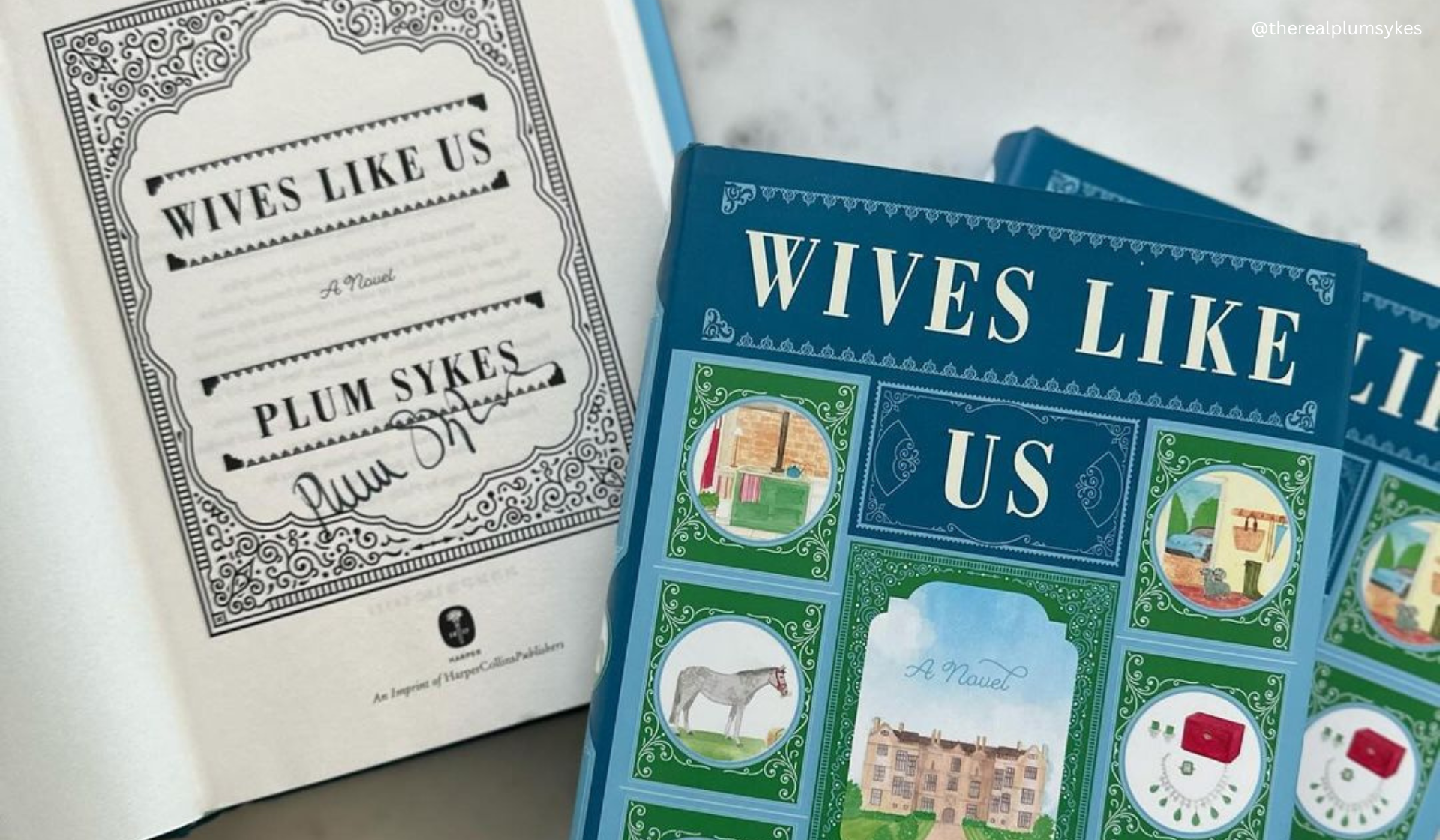
Set amidst dreamy landscapes of rolling hills, Georgian manors and high society parties, Wives Like Us is the fourth novel of London-born and Oxford-educated, Plum Sykes. Focussing on the lives of the ultra-wealthy, the book is witty, chaotic and chic, making the ideal summer read that’s equal parts escapist and fabulous.
Centred around three very rich wives of the Oxfordshire Cotswolds, an American divorcée and one grieving butler, the novel is sprinkled with the drama of deceitful husbands, scandalous love interests and a social calendar that could put the Bridgertons to shame. The book is easy to read, literally makes you laugh out loud in some particularly cinematic moments, and of course, makes one feel very, very poor.
But the moment that really got me, was when I found myself being personally victimised by the novel. As someone who has barely a month ago moved into a flat in Fulham, the words of a certain Lady Caroline (“A flat in Fulham at the age of forty can only lead to one thing…a tragic, impoverished spinsterhood”), really hit hard. I am now faced with the shocking realisation that I might have to resign to a life in said flat in Fulham without an executive butler, my own prize-winning horse or a fleet of Bentleys. So naturally, I kept reading – mostly to find out what else I might have to live without.
Here’s why Wives Like Us makes the ideal summer read:
It’s the ultimate guilty pleasure
The novel is deeply immersed in “rich wife land”. All concerned parties are dressed in the season’s latest collections, nobody will ever admit to buying discounted fashion from outlet villages, and every self-respecting woman has a “secret person” (don’t let this confuse you, it is not necessarily pertaining to an extra-marital affair – this person can be a dermatologist, dressmaker or drug dealer).
The novel is deeply immersed in “rich wife land”.
Wives Like Us is focussed on the aftermath of the glamorous American heiress Selby Fairfax, who has inherited one of the area’s most lavish estates, moving to the English countryside. Fairfax more or less flees America to escape from the high society gossip of her husband leaving her for a man – only to find herself the subject of the Cotswold wives fan club, where she is the novelty of the season.
The fashion is fabulous
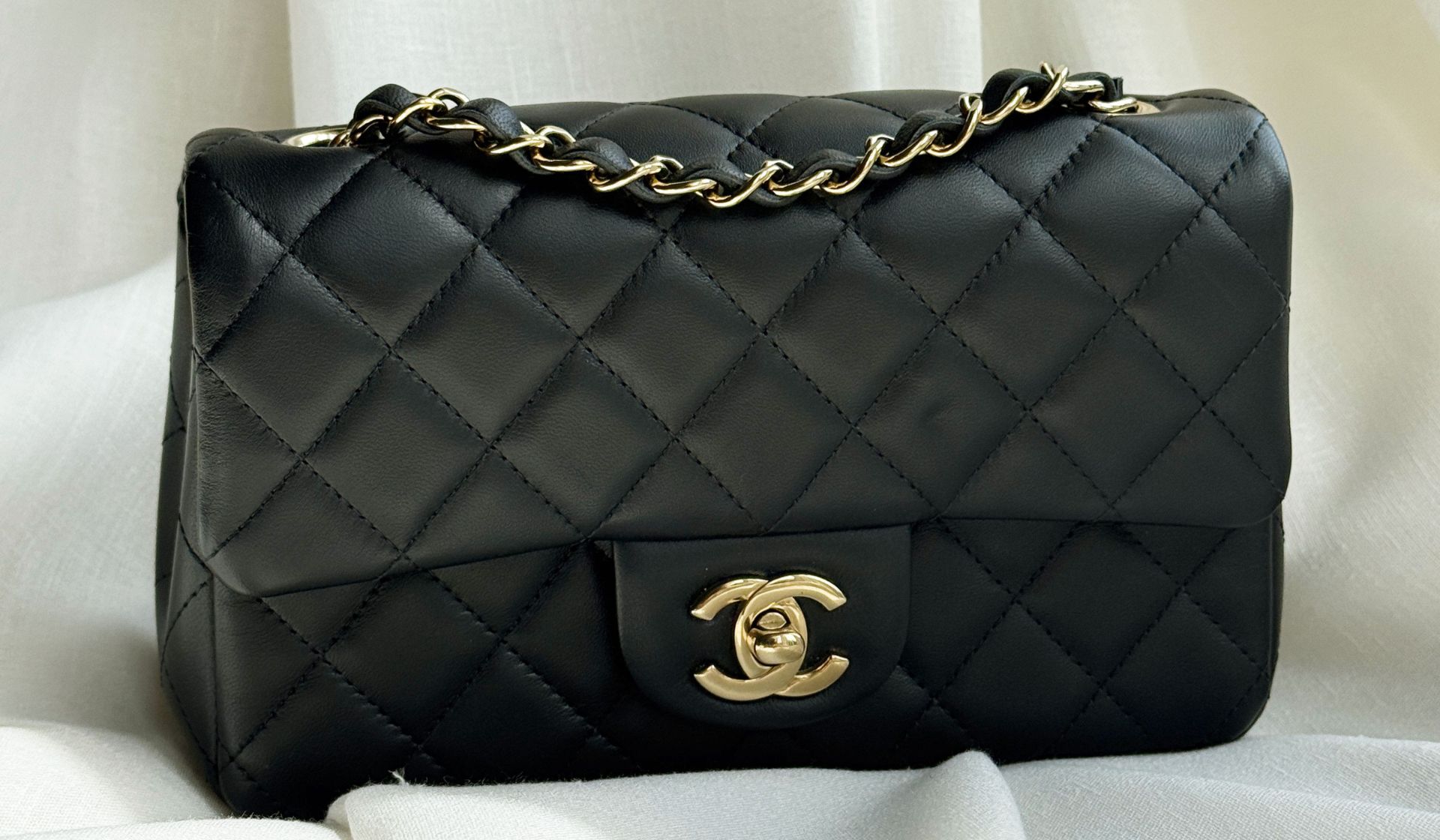
Sykes, who has previously written Bergdorf Blondes, The Debutante Divorcée and Party Girls Die in Pearls, is a contributor to World of Interiors and American Vogue – and it shows. It’s no surprise here that the fashion in Wives Like Us is absolutely Carrie Bradshaw-esque fabulous. Each character, whether draped in Hermès or the latest Chanel, has a unique Pinterest-worthy wardrobe, one that can make Hollywood seem basic. Each character’s approach to fashion seems inspired by their current standing in society and their societal ambitions, with one’s sartorial choices deeply interwoven by the current personality of each wife. The wives have a fondness for one-upping each other in the style department, yet loudly fawning over each other’s clothes at every party, “kitchen sup” or “casual” village fete. It is remarkably reminiscent of the antics of a group of popular girls at a high school prom – except the stakes are much higher, and the fashion more expensive.
Sykes, who has previously written Bergdorf Blondes, The Debutante Divorcée and Party Girls Die in Pearls, is a contributor to World of Interiors and American Vogue – and it shows.
The book beautifully creates its own style statements and conjures up some iconic fashion terms one can only hope to aspire to in real life. To name a couple: Hippie Deluxe is the term coined for the understated, but wildly expensive. Modelled by country princess Fernanda early in the novel, the look involves leather riding boots (Hermès, naturally), a cross-body bag (Mètier), dress (brand: unspecified), and a low ponytail, all put together to give the impression of not caring about being ‘put together’, while being extremely put together.
Next, we have English Riding Chic, an equestrian discipline that is yet to reach the Olympics, but one in which Cotswold wife Sophie Thompson is all set to win gold in. Her look brings together corduroy breeches, a cream silk blouse, a pale yellow moleskin waistcoat and brown knee-high buckled boots, with a Hermès scarf tied in her hair. After all, horseback rides through the countryside aren’t just about who has the best horse – it’s about “who looked the best on said horse.”
The characters are well-defined and interesting
The characters, although fictional, seem to be inspired by the Sykes’ real country princess friends – “I literally couldn’t have made them up,” she says in the acknowledgements. Although she does namecheck a certain Graeme, who serves as the inspiration behind the character of Ian, the flamboyant, award-winning, most-coveted butler of the Cotswolds. His KRA’s as butler do, of course, extend to a lot more than arranging transportation, food and drink. He is the eyes and ears of the house – nothing gets past him and he skilfully orchestrates master plans, consoles his employers with just the right amount of praise, and single-handedly rescues the marriage and social life of Tata and Bryan, a key couple in the story.
Occasions that us mortals might consider to be casual, are actually the opportunity for high stake competition in this fictional world.
Occasions that mortals might consider to be casual, are actually the opportunity for high-stake competition in this fictional world. Casual afternoon lunches are a chance to rope in a Vogue stylist, assemble tablescapes, hire the neighbour’s birds (because “it’s cool to be local”) and create an Instagram hashtag. It’s all deliciously extravagant and unnecessary and so far from reality – yet it does not actually annoy you. The problems in this book are ones that 90% of the human race will never relate to (will the butler ever find room for his collection of vintage Gucci loafers?) – yet you still want to keep reading. The book manages to do that rare thing where the author creates characters that could very easily be hated (rich people doing rich people things) – but then turns around and makes the reader actually feel for them.
The book has managed to do that rare thing where the author creates characters that could very easily be hated-but then turns around and makes you actually feel for them.
Selby being dumped by her much-younger lover on the same day that her ex-husband lands up in a coma after falling from a horse is genuinely painful. And while she gets to shed her tears sitting in her countryside mansion, dressed possibly in the latest Chanel – it’s still got to hurt.
‘Tis all about the drama
The entire novel is cinematic, to say the least – to the extent that it didn’t need for it to be spelt out. With the Bridgerton-esque narration (“dear reader”), the Downton Abbey facades (“I feel like I’m Lady Mary arriving at Downton Abbey”), the world was very much created for us by the detailed descriptions, without the need for repeated literary and cinematic references. Rebecca, Wuthering Heights, Addams Family, Jane Austen – these are all references that are obvious to the reader and didn’t need to be specifically written out. The fact that they are all mentioned in the book takes away from the reader’s intelligence by stating the obvious – the Bridgerton feels are already strong in this one (minus all the sexual tension).
With the Bridgerton-esque narration and the Downton Abbey facades, the world is very much created for us by the detailed descriptions.
The final verdict:
There is one stark similarity between the lives of the rich and fabulous, and…(shockingly) us. It turns out, we’re all actually just living for the ‘gram. Social media rears its ugly head here as wives compete to have the most Instagrammable gardens, tableware and lives. A bikini influencer makes her way to the country and creates havoc with her fondness for Tata’s husband, and chaos ensues at every social occasion that the wives try so hard to make Pinterest-perfect. (“Not just a social exercise, it was a social media exercise”). So when I reach the end of the book, which I finish in the comfort of my 1BHK in Fulham, I am comforted by the thought that on Instagram – we are all the same. Country princesses? They’re just like us.