Top Chefs Share The Best BBQ Marinades And Tips To Bookmark For This Summer
With barbecue season officially underway, there’s no shortage of advice on how to grill the perfect steak, burger or skewer. But when it comes to the marinades, flavour combinations and cooking tricks that genuinely make a difference, who better to ask than the professionals?
To help elevate your summer cookouts, we went straight to the source. From Michelin-starred chefs to some of the UK’s best BBQers, we’ve gathered exclusive tips, go-to marinades and expert techniques shared directly with us. Whether you’re firing up a kettle barbecue in the garden or hosting a full-scale feast, these are the chef-approved secrets worth bookmarking before your next barbecue.
James Knappett, Chef-patron of 2 Michelin-starred Kitchen Table
“Because my wife – Kitchen Table co-founder Sandia Chang – is Chinese, our BBQs at home tend to always lean towards Asian flavours. One of our favourites is a spicy Sichuan BBQ spice rub mix that can also be used to season noodles and stir-fries. This rub is especially good for BBQ lamb skewers, lamb chops, chicken wings and sausages.”
Just mix the following:
- 4 tbsp mild chilli powder (substitute for non-spicy to keep spice level low)
- 4 tbsp chilli flakes
- 1.5 tbsp ground cumin
- 2 tbsp Maldon sea salt
- 2 tbsp roasted sesame seeds
- 2 tsp Sichuan peppercorn powder
- 1.5 tsp garlic powder
- 2 tsp sugar
- 1.5 tsp sugar
- 1.5 tsp ground white pepper.
- Tip: You can also add in an optional 1.5 tsp chicken bouillon powder and 2 tbsp ground peanut powder, if you like.
- Keep this mix in a sealed dry jar in a cool place for up to 3 months.

Mark Birchall, chef patron of 3 Michelin-starred Moor Hall


“I recommend marinating the lamb for a minimum of six hours, or overnight. You can also pre-cook the koftas in the oven at 150c for 10 minutes before barbecuing, if you’re not confident about cooking [them] fully on the grill. It’s best served with raita and a shaved fennel salad dressed with lemon juice, olive oil and salt. You could also swap the lamb rump for a duck breast — skin removed — for another great-tasting option.”
Ingredients:
- 500g good quality lamb rump, diced, with the fat removed (any part of the leg is fine)
- 100g root ginger
- 100g red onion
- 25g garlic, chopped
- 4g chilli powder
- 4g garlic powder
- 4g garam masala
- 2g fenugreek powder
- 1g milled black pepper
- 10g rapeseed oil
- 10g lime juice
- 6g salt
- 30g fresh coriander
Method:
- Crush the red onion and root ginger, then combine with the garlic and lamb in a bowl. Crushing the onion and ginger will release the juices, which will tenderise the lamb during marinating.
- Mix the spices with the oil and lime juice to create a paste, then add to the lamb, with the salt.
- Marinate for a minimum of 6 hours, or overnight.
- Grind the kofta mix (preferably in a mincer; or pulse in a blender and mix together).
- Chop the coriander and combine with the kofta mix, then mould onto metal skewers (or pre-soaked wooden skewers) and refrigerate for a couple of hours to firm up.
- Brush with a touch of oil, and grill on the barbecue for 3-4 minutes each side.
Sebby Holmes, chef-founder of the Michelin Bib Gourmand Thai restaurant Farang
“The thing I’d want home cooks to take from it is that a marinade doesn’t need a long shopping list. It’s about getting salt and sugar to balance against something sharp, and then letting the fire do most of the work. I pound garlic and coriander root with white pepper into a rough paste, season it hard with fish sauce, add palm sugar so it catches and caramelises over the coals, and squeeze lime in right at the end to cut through the richness. On pork I’ll put tamarind in as well. It does something to the fat that I find hard to stop eating.
Where most people go wrong is heat. Sugar burns, so I keep the meat back from the fiercest part of the grill and let it go slow and sticky rather than blackening it in two minutes flat.
When I’m at home and can’t be bothered to pound a paste from scratch, I’ll cheat with one of our Payst pastes as the base. A spoon of the green or the jungle, loosened with a bit of oil or coconut milk, does most of the heavy lifting, and I’ll still finish with lime and torn herbs off the grill so it tastes as if I tried harder than I did.”

Jun Tanaka, chef-patron of Michelin-starred The Ninth
Top tip:
“Before barbecuing chicken and pork, try brining them for a few hours. This will give them flavour and keep them juicy and tender. The recipe for a basic brine is 10% salt & 5 % sugar to the quantity of water. For lamb or veal, try a yoghurt-based marinade with spices or herbs. Leave them in the marinade for 24 hours and wipe off the marinade before cooking. The yoghurt will tenderise the meat and give it flavour. A simple marinade of olive oil, garlic, thyme and rosemary is perfect for beef.”
The Perfect Veal Marinade
Ingredients:
- 200g Greek yoghurt
- 20g chopped rosemary and thyme
- 8g sea salt
- 10g garlic
- 80g honey
Method:
- Mix all the ingredients in a bowl and marinade the veal for 24 hours
Mike Palmer, Restaurateur behind Khao Bird
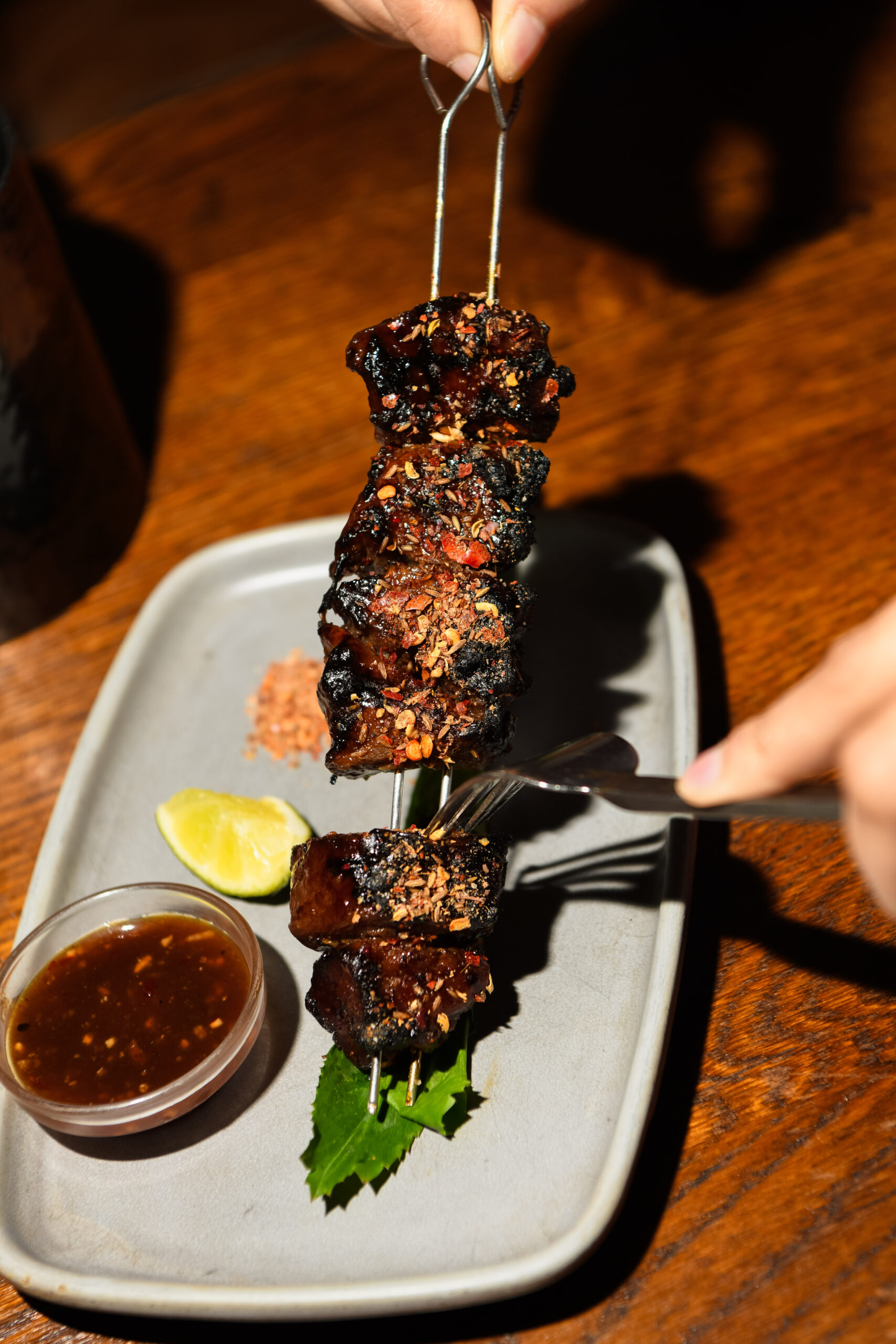
“My go-to BBQ marinade at home is the Super Soy. It’s a really simple ratio: soy sauce, water, sugar, garlic and a little oil. That’s it. The soy gives salt and umami, the sugar helps everything caramelise beautifully on the grill, and the garlic gives it that savoury punch. You can use it on chicken thighs, pork shoulder steaks, pork neck, beef skewers or even a quick flank steak. For me, it’s best with chicken thighs because they stay juicy and take on that sweet-salty char really well.”
The rough ratio is:
- 4 parts soy sauce
- 3 parts water
- 2 parts sugar
- 1 part grated garlic
- Half a part neutral oil
Method:
- Mix it, marinate the meat for at least 30 minutes — a few hours is even better — then grill over charcoal or a very hot pan until sticky, dark and caramelised.
- It’s one of those marinades that makes everyday BBQ taste like you’ve done much more work than you actually have.
Samantha Williams, Executive Chef at Pillar Hall
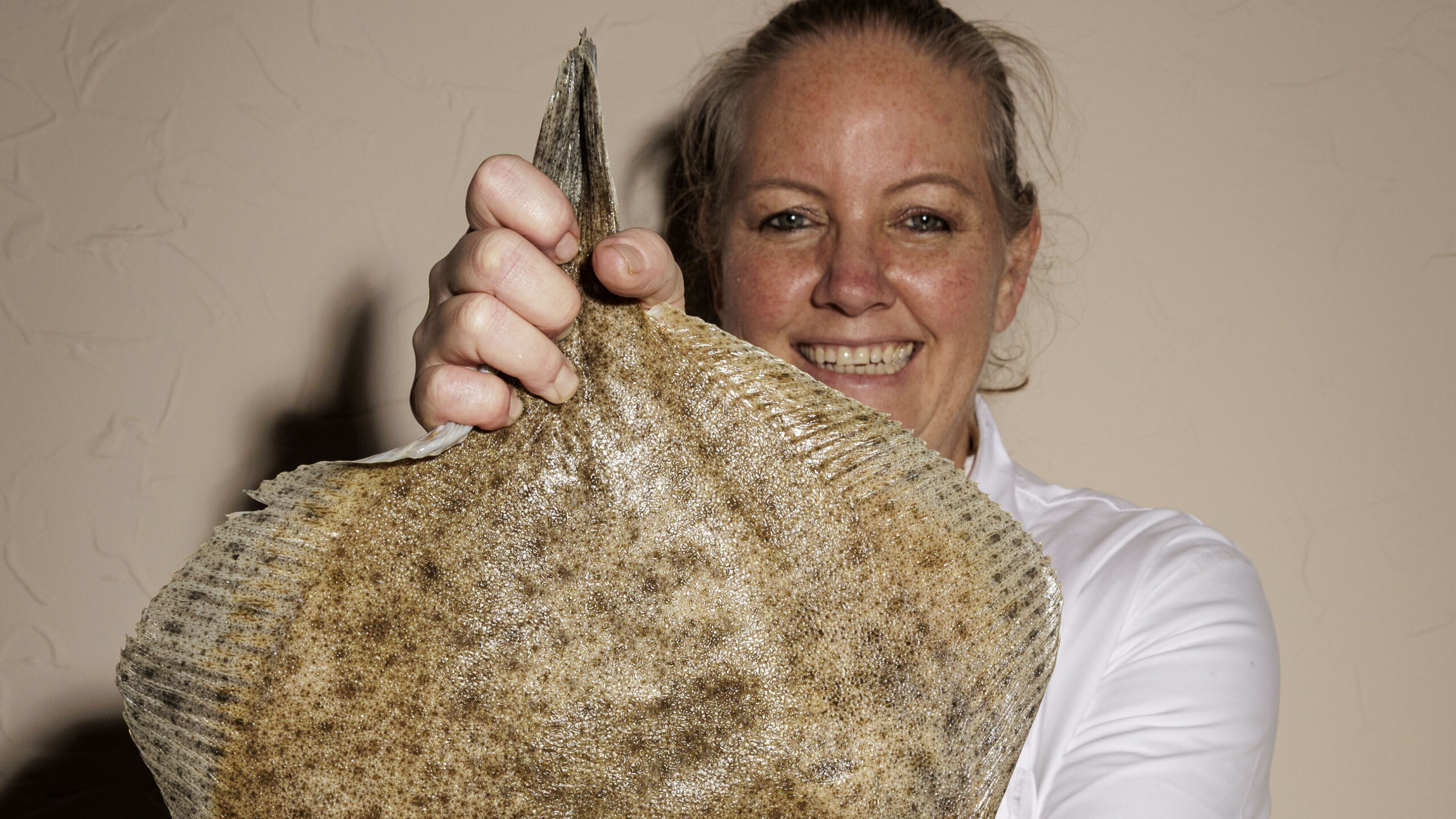
“Snoek with apricot jam is a legendary South African Recipe. The sweet, sticky apricot glaze perfectly balances the rich, salty flavour of the fish. Usually cooked over an open fire (braai) or baked in the oven, the fish is basted generously until caramelised and flaky. To recreate this iconic dish, you will need to make a sticky basting sauce that is brushed over the fish while cooking.”
Ingredients :
- 1 whole snoek (about 1.2kg–1.5kg, butterflied)
- ½ cup apricot jam
- 80g-100g butter
- 3-4 cloves garlic (crushed)
- ¼ cup chutney (e.g., Mrs H.S. Ball’s or similar)
- 1 lemon (juiced)
- Salt and freshly ground black pepper
- Optional extras: A pinch of red chilli flakes, fresh chopped coriander, or a splash of orange juice.
Method:
- Prepare the Glaze: Melt the butter in a small pot over medium heat. Add the crushed garlic and sauté for about a minute. Whisk in the apricot jam, chutney, lemon juice, and any optional extras. Let it simmer for 5-10 minutes until it becomes a thick, sticky syrup, then remove from the heat and allow to cool slightly.
Season the Fish: Pat the butterflied snoek dry with paper towels. Season both sides generously with salt and pepper. - Baste: Brush the apricot glaze liberally over the flesh side of the fish.
- Cook (Braai or Oven):
- Braai (Barbecue): Place the snoek in a hinged braai grid. Grill over medium-hot coals, skin-side down first, for about 15–20 minutes, basting frequently with the remaining glaze.
- Oven: Bake in a preheated oven at 180°C (160°C Fan) for about 25–35 minutes, brushing with the glaze throughout.
Serve: Snoek has fine bones that are easy to pull out. Serve it straight from the grill with fresh lemon wedges, crusty white bread, and a side salad.