A Local’s Guide On Where To Eat, Drink & Explore In Dublin
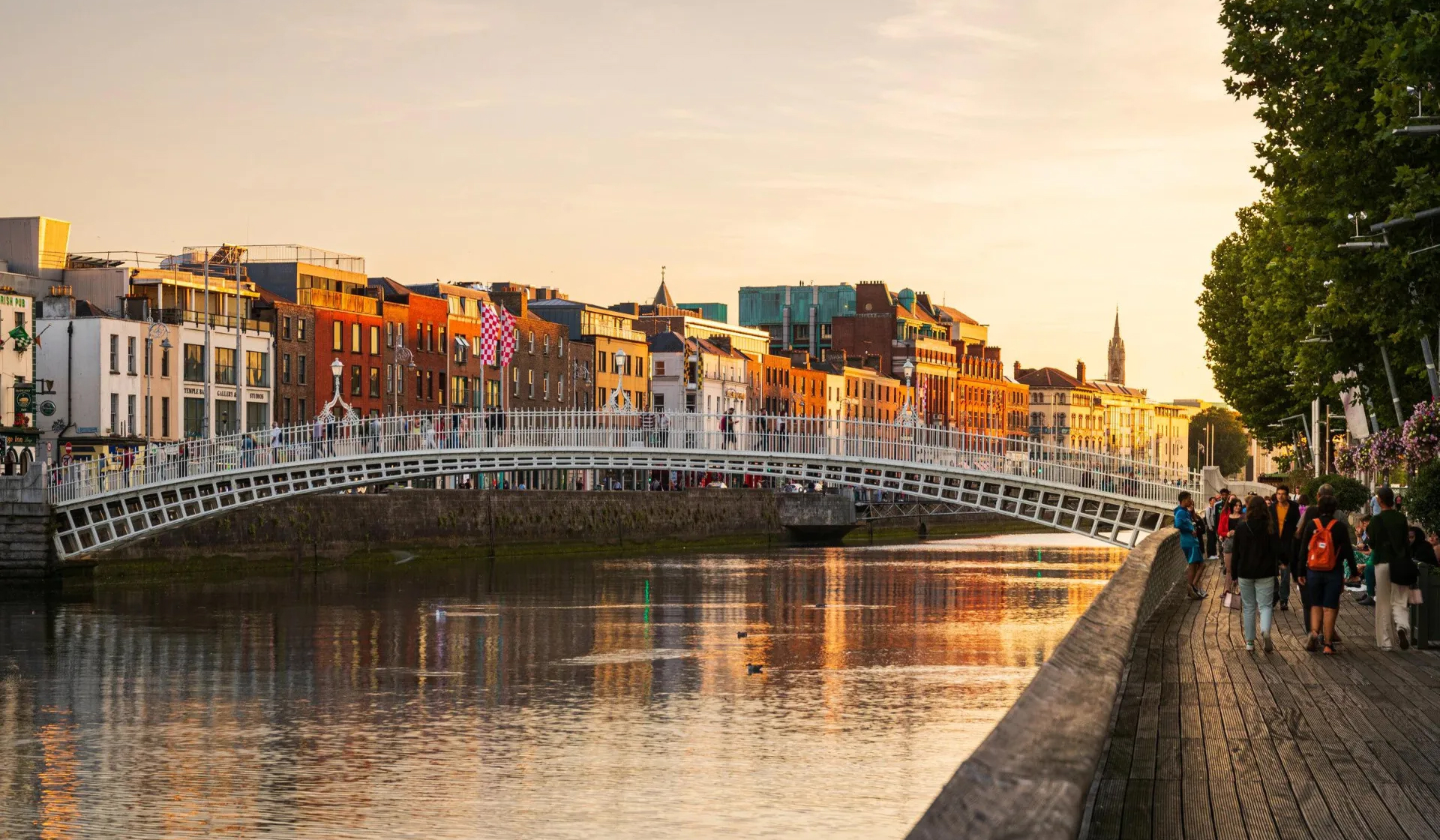
Irish hospitality is world-renowned, finding the perfect balance between being fiercely proud, but always with self-awareness and humour. Whether you’re going for a city break or a longer road trip around the country, chances are you’ll be going to Dublin.
Known for its music, literature, history, and, of course, the best pints of Guinness in the world, Dublin packs a whole lot into a small city. From traditional pubs and must-see attractions to insider tips on restaurants, gigs and day trips, here’s our local guide to Dublin.
What to do
Embrace being a tourist
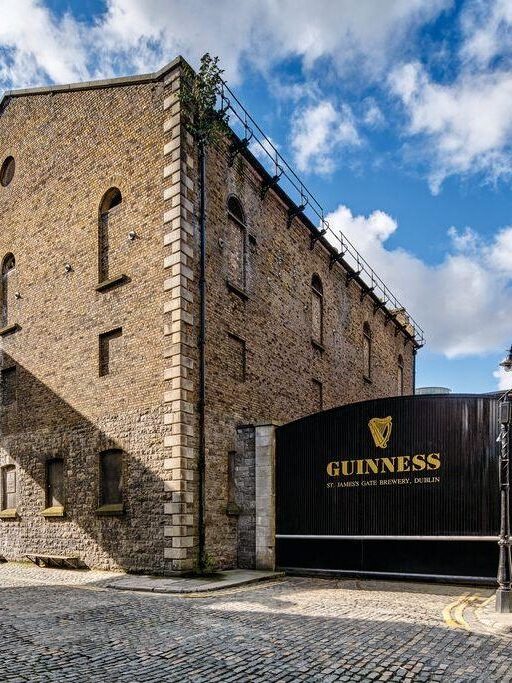
We’ll get to some local suggestions later, but if it’s your first time in Dublin there are a few absolute musts. The Guinness Storehouse might be the most obvious, but it is not to be missed. It was named Europe’s leading tourist attraction by the World Travel Awards in 2023, and is fully deserving; they’ve put a lot of effort into telling the story of Ireland’s most famous export.
Then there’s Temple Bar. When I say Temple Bar here, I mean the pub, rather than the area (which actually has some great spots). After years of warning tourists to steer clear, I’ve changed tack. Yes, it’s the most overpriced and average pint in the city. Yes, it’s incredibly kitsch. No, any self-respecting local wouldn’t dare spend a night out there. But like Times Square or Piccadilly Circus, it’s the one place in Dublin that’s not really for locals; it’s for tourists. Enough have said to me they had such a blast in Temple Bar, that I now recommend it.
Explore Dublin’s history
Dublin has a long and colourful history. The scene of Viking conquests, Colonial rebellion and the setting of the most influential work of literature from the 20th Century, to name a few.
Dublin has a long and colourful history for those looking to learn about the city’s past in between pints of Guinness
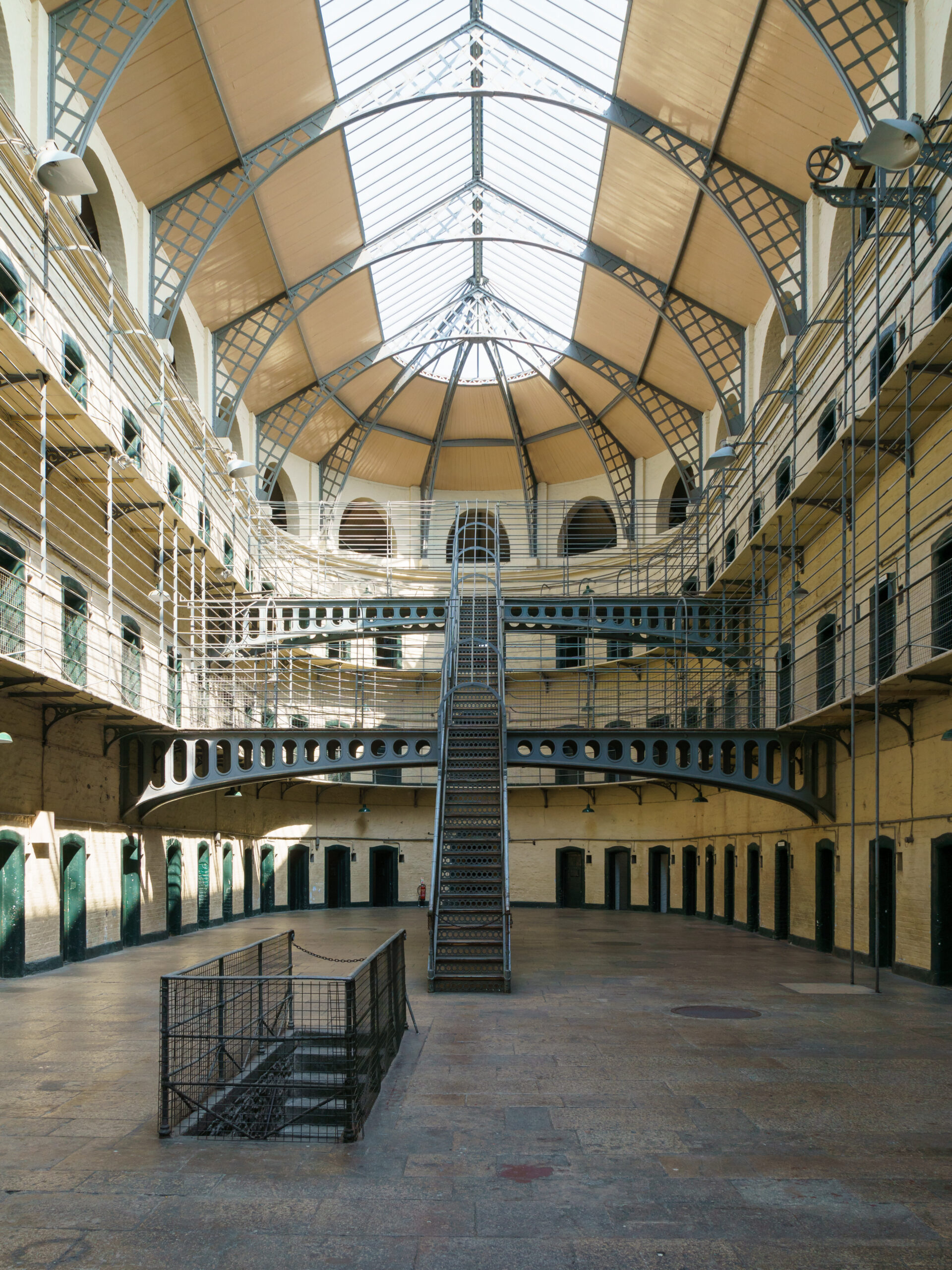
For those looking to learn about the city’s past in between pints of Guinness, booking into the tour of Kilmainham Gaol, where the leaders of the 1916 Easter Rising rebellion were executed, is entertaining and informative in equal measure. The Book of Kells in Trinity College, dating back to the 6th Century, is another popular stop, meanwhile, Malahide Castle and St. Patrick’s Cathedral are impeccably maintained 12th Century landmarks.
Dive into some culture
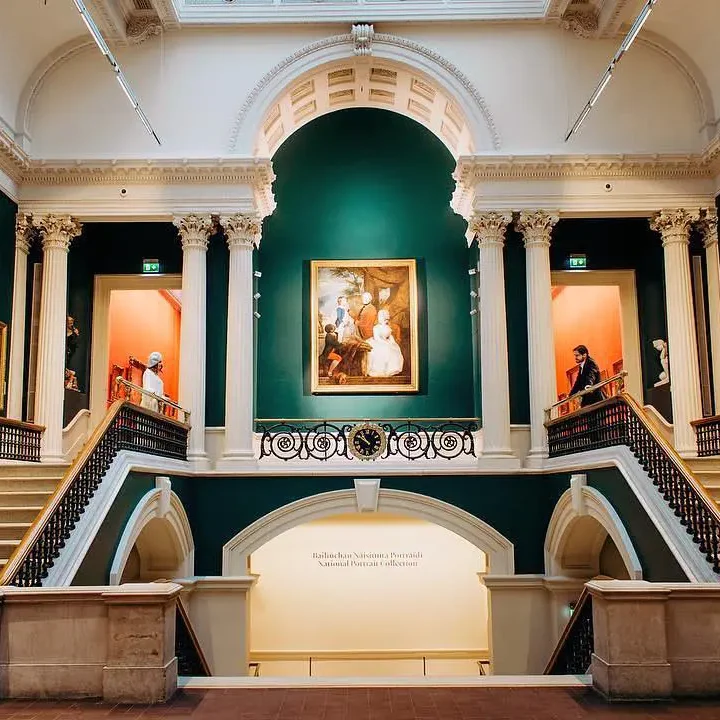
Dublin has a host of great galleries and museums – best of all, most are free. The National Gallery is set within a stunning building and is host to the most expansive collection of Irish art there is, as well as famous European pieces. The Hugh Lane Gallery houses one of Ireland’s most exciting collections of modern and contemporary Irish and international art and is also the home of Francis Bacon’s Studio.
For sports fans, Croke Park is the home of one of Ireland’s most cherished pastimes and source of national identity; Gaelic games. You can do a stadium tour and immerse yourself in Irish culture with a visit to the GAA Museum, or even do a skyline tour on top of the stadium. If you’re lucky enough to snag a ticket to a match, experiencing hurling or Gaelic football is a unique experience you won’t get anywhere else in the world.
Go for a cold plunge
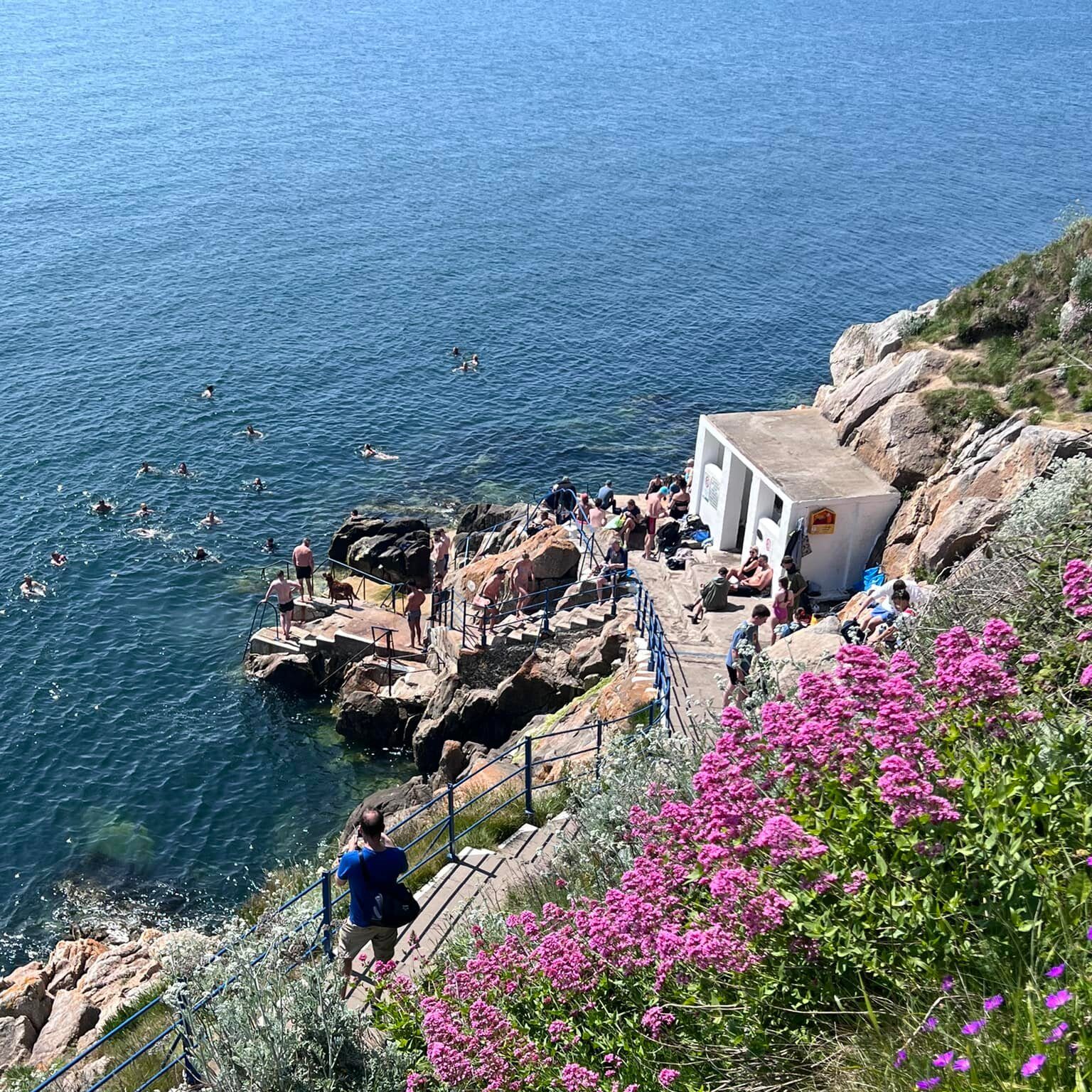
To truly blend in with the locals, you have to face your fears and jump into the freezing Irish Sea. The water is just about pleasant in July and August, but the iconic swimming spots at the Forty Foot or the Vico Baths are jammed all year round. The Forty Foot was even the inspiration for Bad Sisters – Sharon Horgan thought up the plot while swimming there, and it features heavily in the show.
Those brave enough will be rewarded; trust me, as someone who has baulked at jumping in many times, you feel amazing afterwards. Afterwards, head into the picturesque villages of Dalkey or Glasthule for coffee and cake.
Take in a gig
Arguably the thing Ireland is best known for is music, which has played a vital role throughout the country’s history. Experiencing a trad session is on many tourists’ Dublin bucket list, and The Cobblestone is your best bet, with traditional music played seven nights a week.
If you’re looking to scope out some indie Irish music, head to The Workman’s Club, which hosted the likes of Fontaines D.C, Kneecap and The Murder Capital before they became international hits, and even part-time DJ Cillian Murphy back in 2011.
Experiencing a trad session is on many tourists’ Dublin bucket lists
Take a day trip
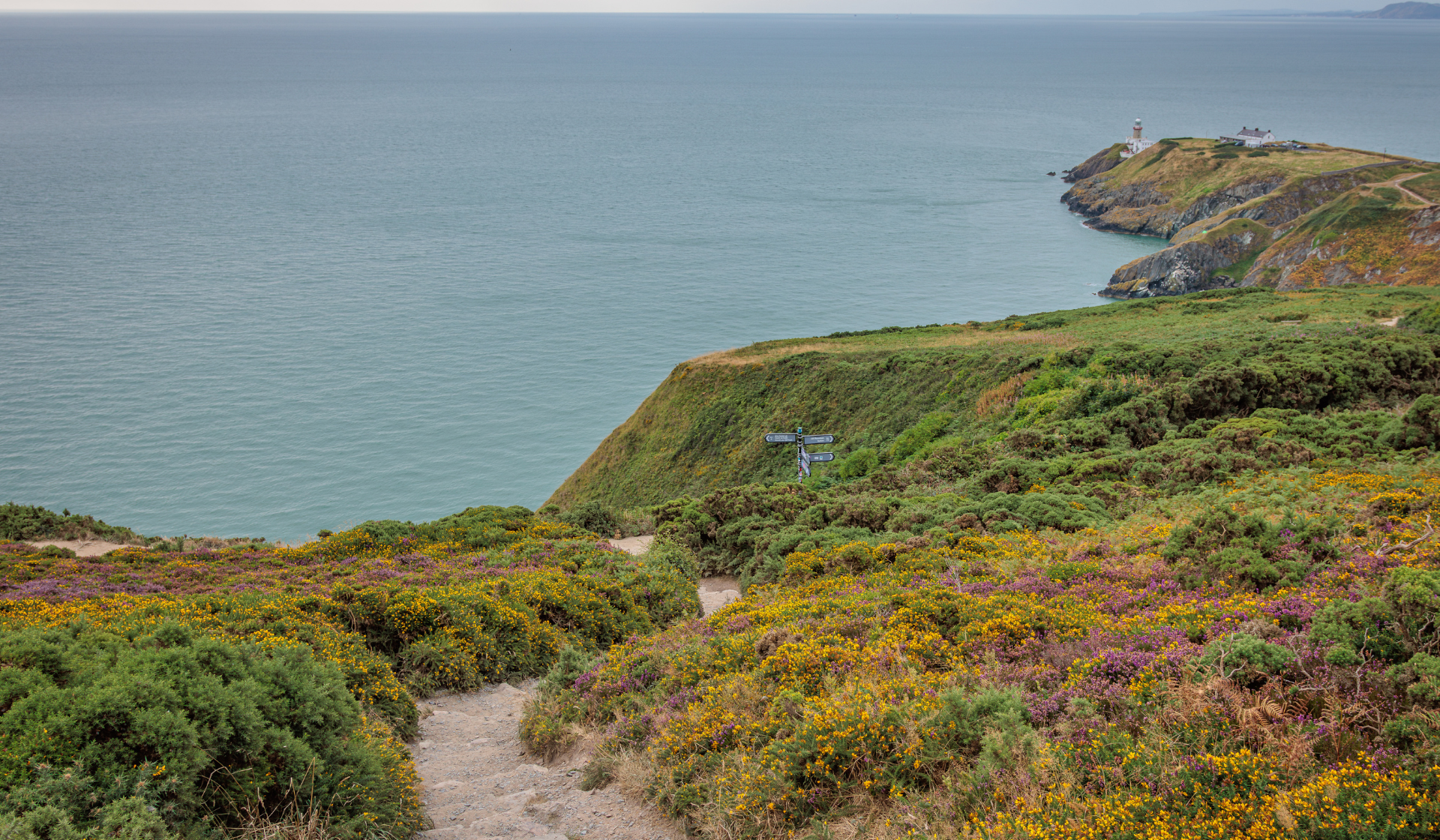
Those in Dublin for a longer period of time have a range of excellent day trips that are easily accessible. Cliff walks near Howth and Greystones are just 30 minutes away via the DART, Dublin’s coastal train service. The walks are scenic and not too strenuous – I’ve regularly seen dolphins and porpoises in the sea below. Plus, there’s some world-class fish and chips in Howth, and Ireland’s most famous vegetarian cafe The Happy Pear in Greystones to enjoy at the finish.
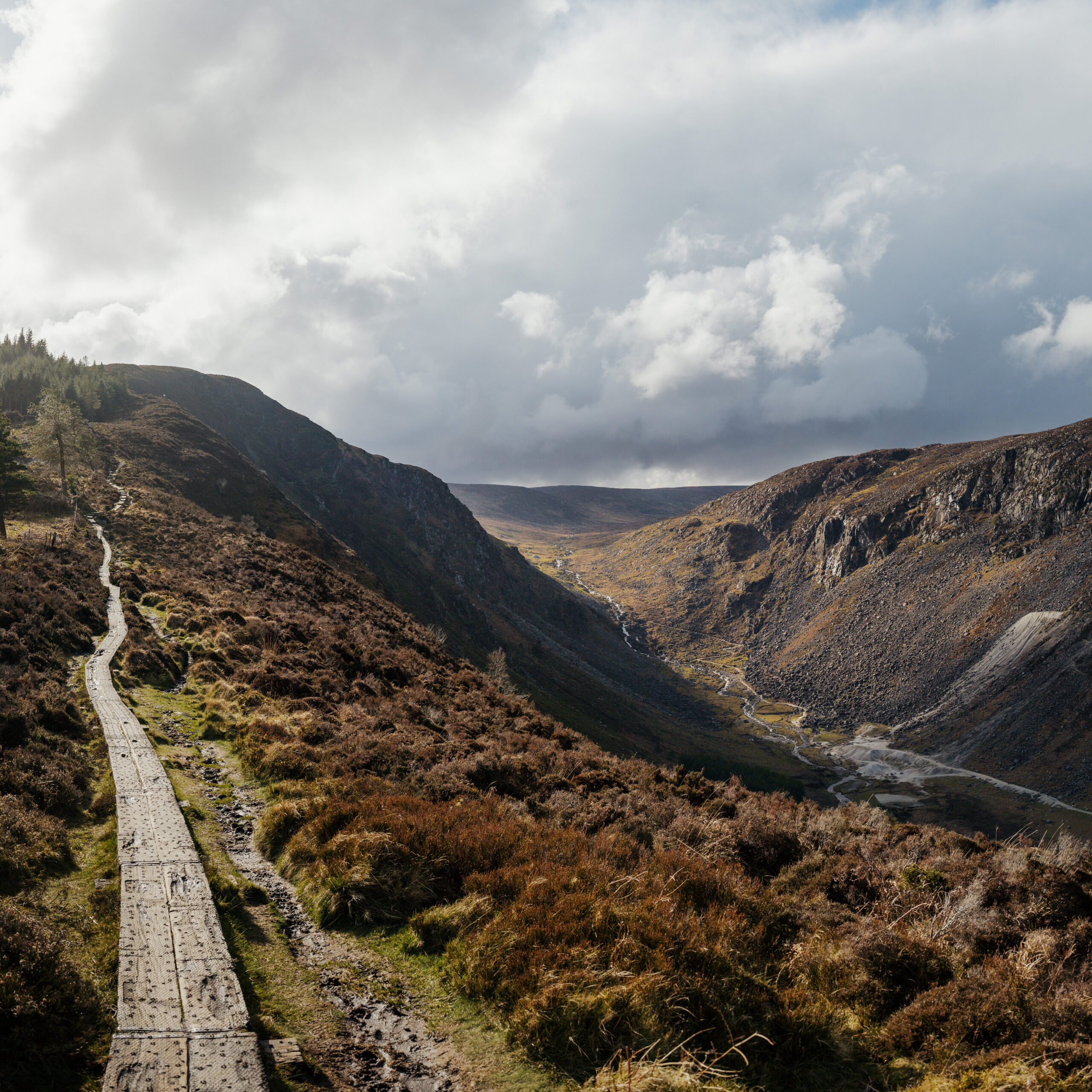
If you want to venture further afield, Glendalough, a glacial valley in neighbouring county Wicklow, offers some incredibly scenic hiking overlooking two lakes, as well as an early Medieval monastic settlement founded in the 6th century.
Where to eat and drink
Traditional pubs
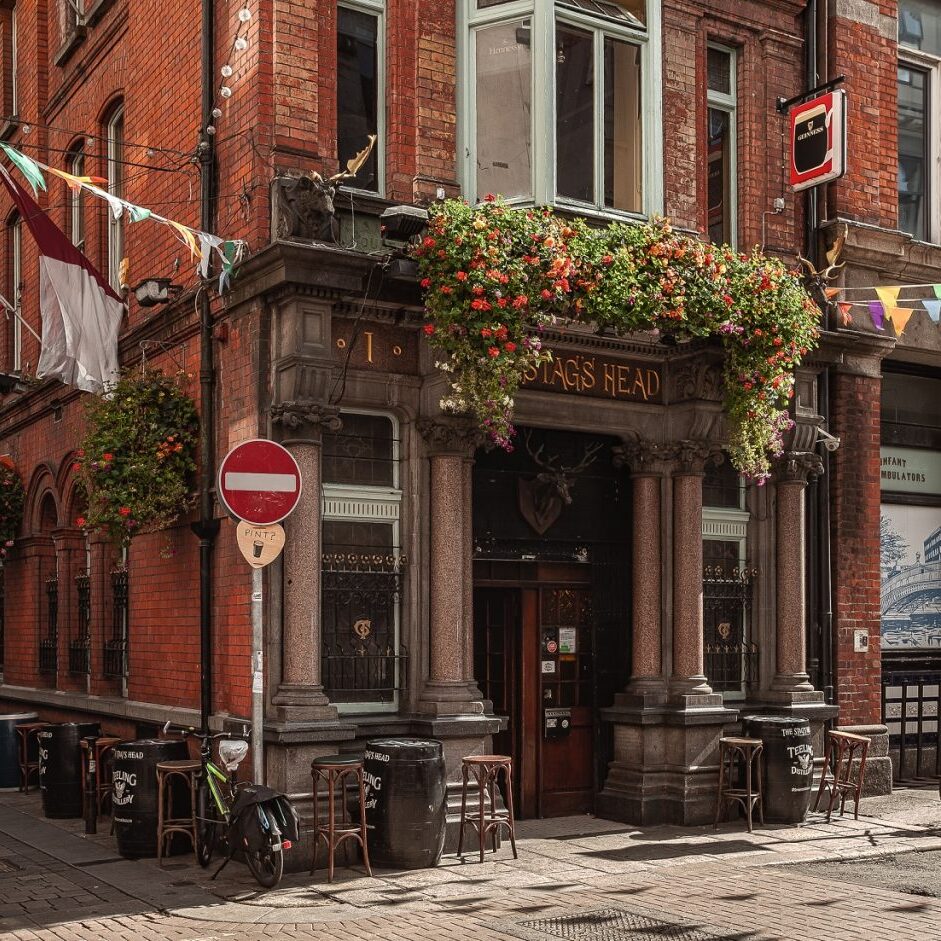
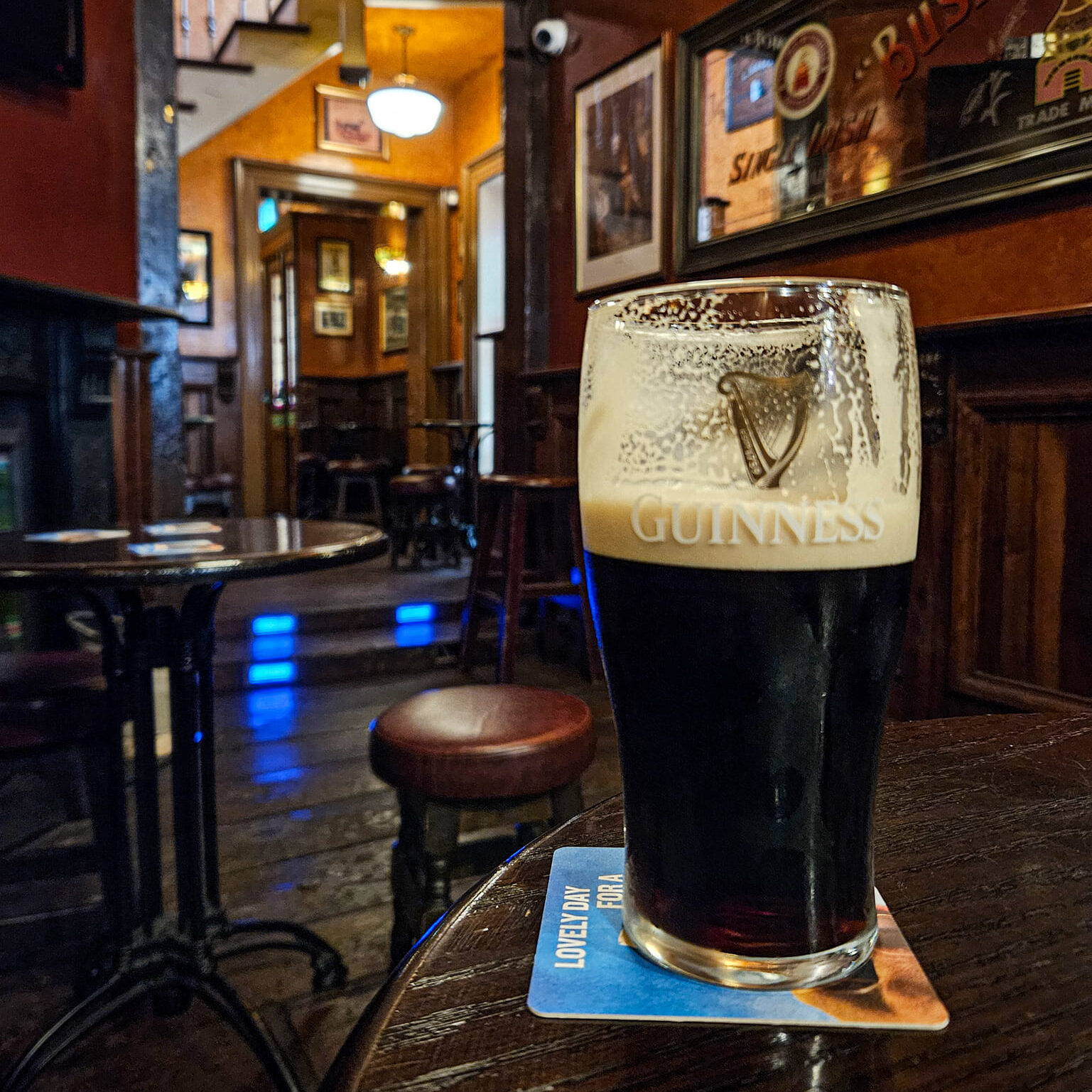
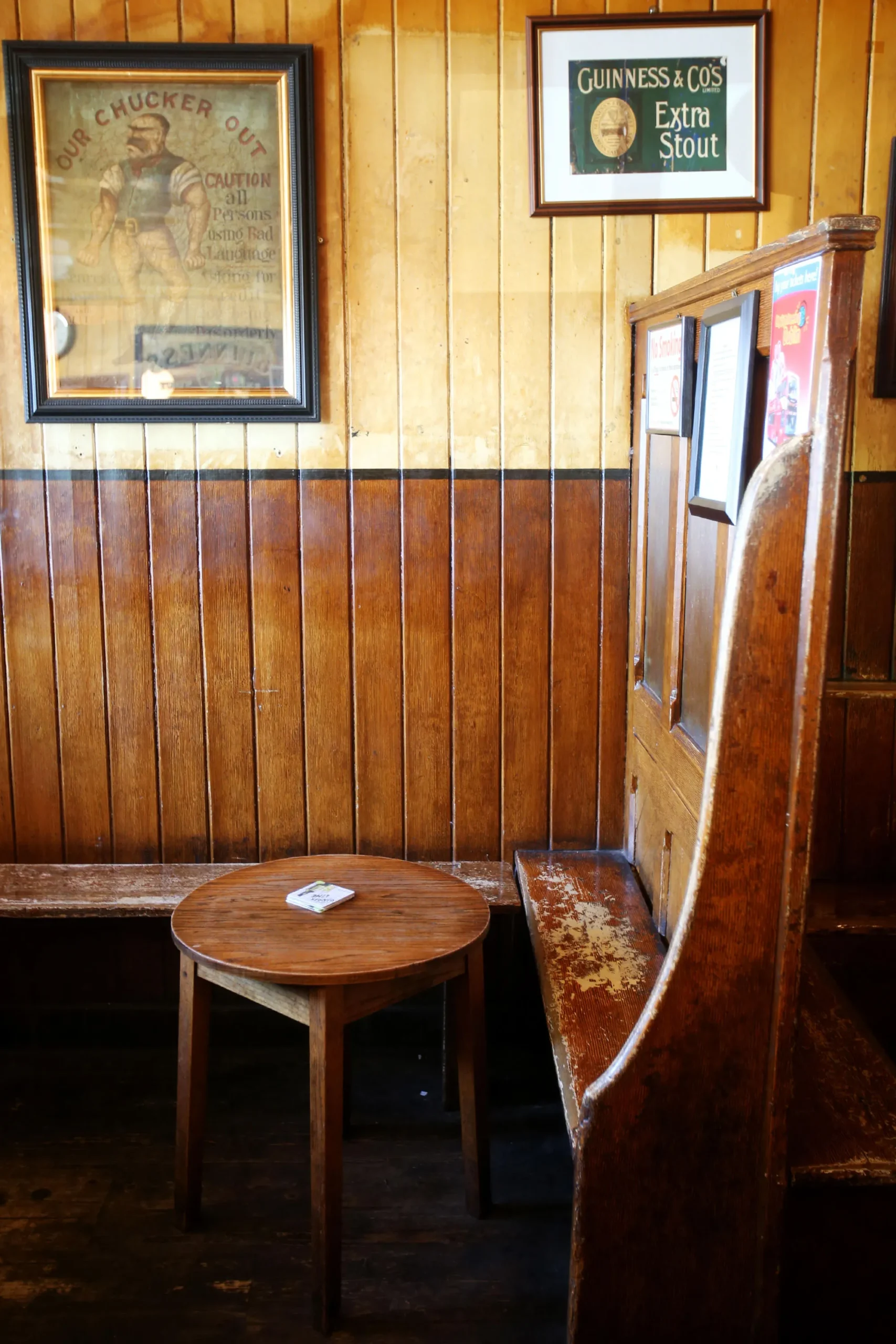
When friends in London tell me they’re going to Dublin, by far the most common request is a list of authentic Irish pubs. To name a few right in the centre; Palace Bar, The Stag’s Head, Grogan’s, Mulligan’s, The Long Hall, Doheny and Nesbitt’s, McNeill’s and Cleary’s.
Gravediggers does possibly the best pint of Guinness in the city, and has a storied history, but is slightly outside the centre (but worth the trip).
By far the most requested advice I’m asked is a list of the best Irish pubs to go to
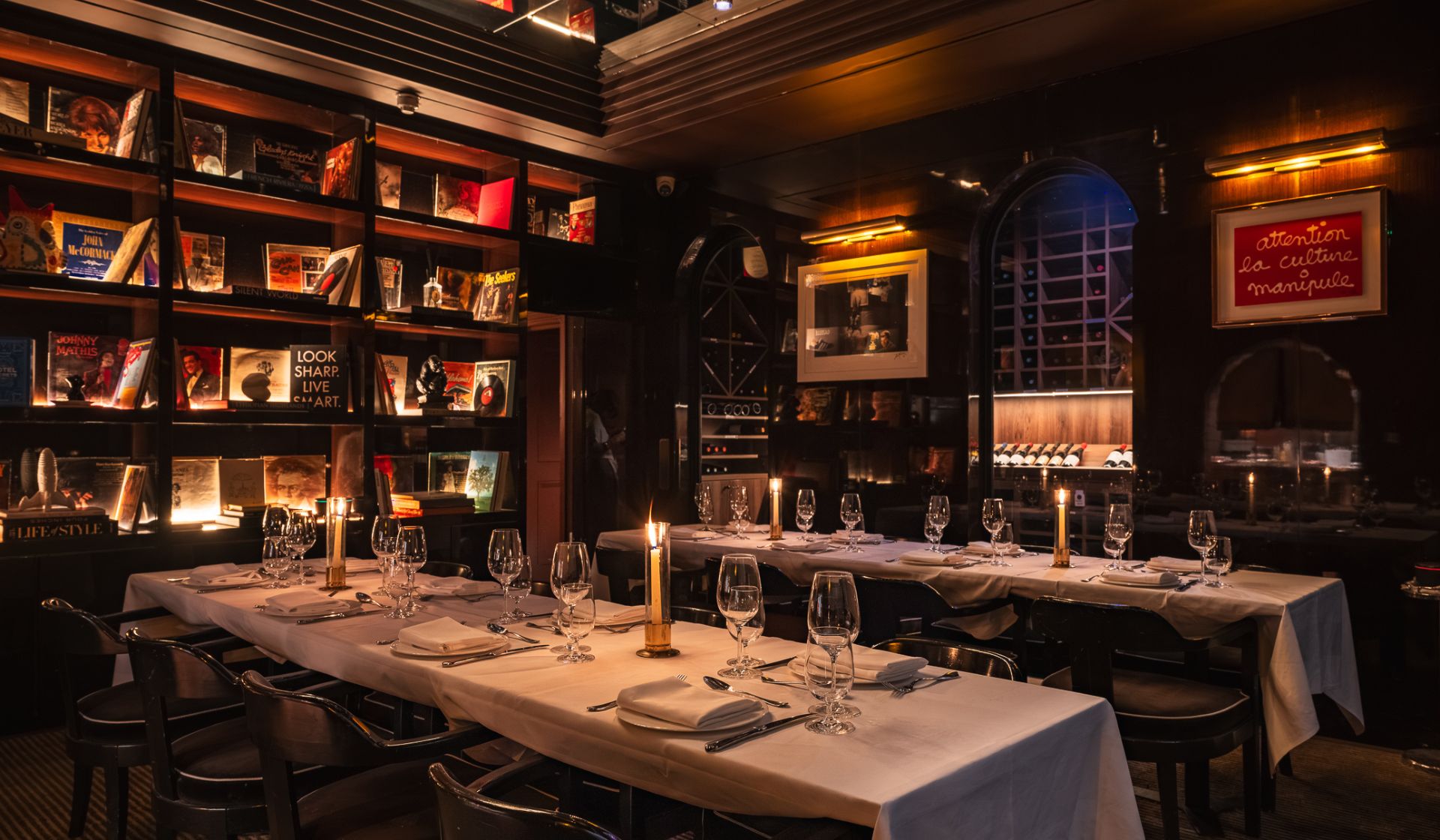
For a pub you might not get into, try The Hacienda, a cross between a speakeasy and a traditional pub. Shay, the enigmatic proprietor, checks everyone out before they enter, and might just turn you away if he doesn’t fancy the cut of you. It’s also a regular spot for artists on tour – Taylor Swift booked the place out for a post-concert party last summer.
Cocktails
If you fancy switching to cocktails, head to Bar 1661, which is independently owned, Irish-led and serves some of the best creative drinks in the city. Poitín, the traditional Irish moonshine dating back centuries, is used throughout the menu, and they also serve a range of Irish Whiskeys, gins and rums.
The Little Pig is a great speakeasy and blues bar, and for bars that open up the dancefloor, head to Pygmalion or PantiBar, owned by Ireland’s most famous Drag Queen, Panti Bliss.
Bar 1661 is independently owned, Irish-led and serves some of the best drinks in the city

For a fancy dinner
For a long time, Ireland was known for having top-quality produce and ingredients, but not much innovation when it came to food. That’s all changed in recent times, and there are a host of restaurants in Dublin taking advantage of the incredible produce.
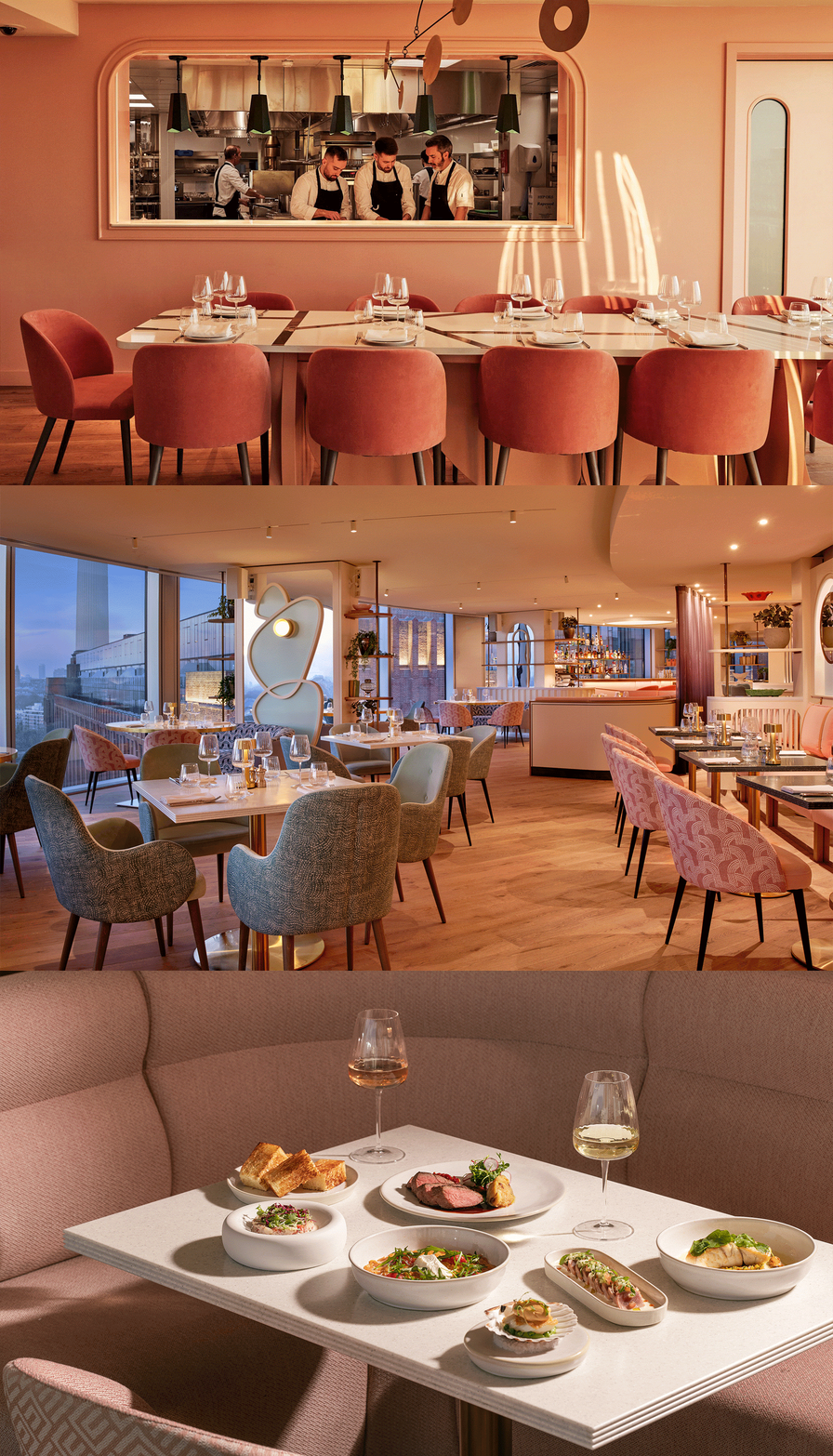
If you’re planning to splash the cash on a special dinner, Chapter One is widely considered Ireland’s best restaurant and holds two Michelin stars. Other great spots include Pickle, the North Indian-inspired spot, Liath in Blackrock (which also has two stars), and Allta in Grand Canal Dock.
For casual dining
For more casual dining, Grano is an excellent, innovative Italian, Mister S cooks everything over the fire and is the spot for meat lovers, and Andhra Bavan is an excellent, more budget-friendly Indian. If you’re looking for elevated food in a lively pub atmosphere, Spitalfields is a great option and has a Bib Gourmand.
To take advantage of Dublin’s quality seafood, head to Fish Shop in trendy Smithfield for top-tier fresh fish and natural wine. For lunch, you’ll want somewhere central, and I’ve always loved Cornucopia, a vegetarian cafe in the heart of Dublin’s shopping district that has been open since the 1980s. Coppinger is another great option, just off Grafton Street and serving a great value lunch menu – €15 for two courses, or €20 for three.
For local favourites, I have two suggestions: Again, head to Gravediggers for traditional coddle, a soup made up of sausages, bacon, potatoes and onions. For post-pub cravings, there’s nothing better than a Spice Bag which has developed close to national dish status, a mix of salt and pepper chips, salt and chilli chicken, fried peppers and onions – Xian on South Anne Street does a great one.
For coffee and brunch
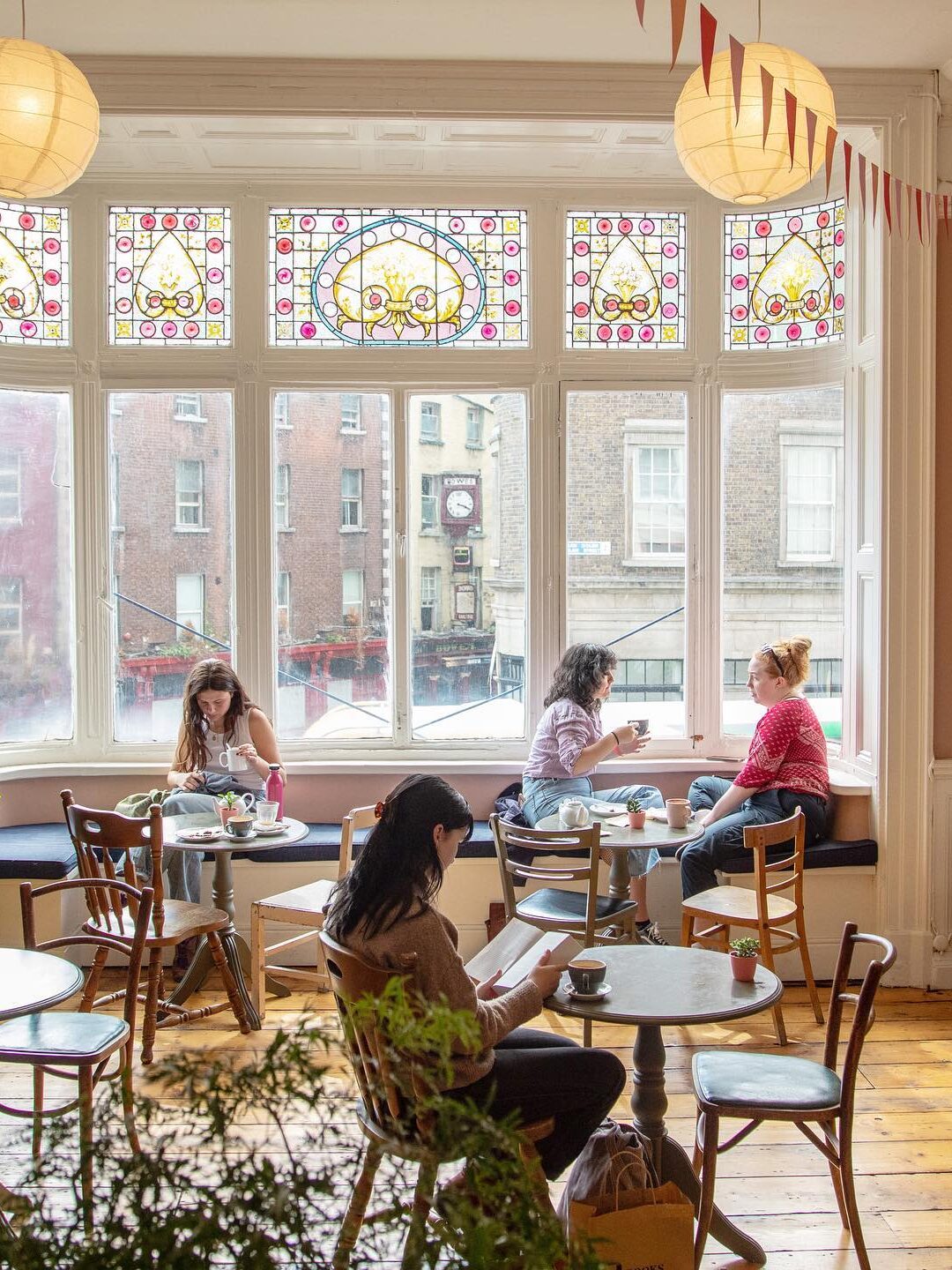
Stoneybatter, the brunch capital of Dublin, is your best bet for a lazy brunch. Social Fabric is one of the best, serving a locally sourced menu of classics like Full Irish, pancakes and eggs benedict. It’s also right by Phoenix Park, so you can walk it off in nature afterwards.
Stoneybatter, the brunch capital of Dublin, is your best bet
For coffee lovers, Proper Order might do the best in the city, and the cafe above Books Upstairs, an independent bookshop, is one of my favourite spots for some respite. On a sunny day, the coffee shop in the Museum of Literature is a hidden gem, backing out onto the lush Iveagh Gardens.
Where to stay
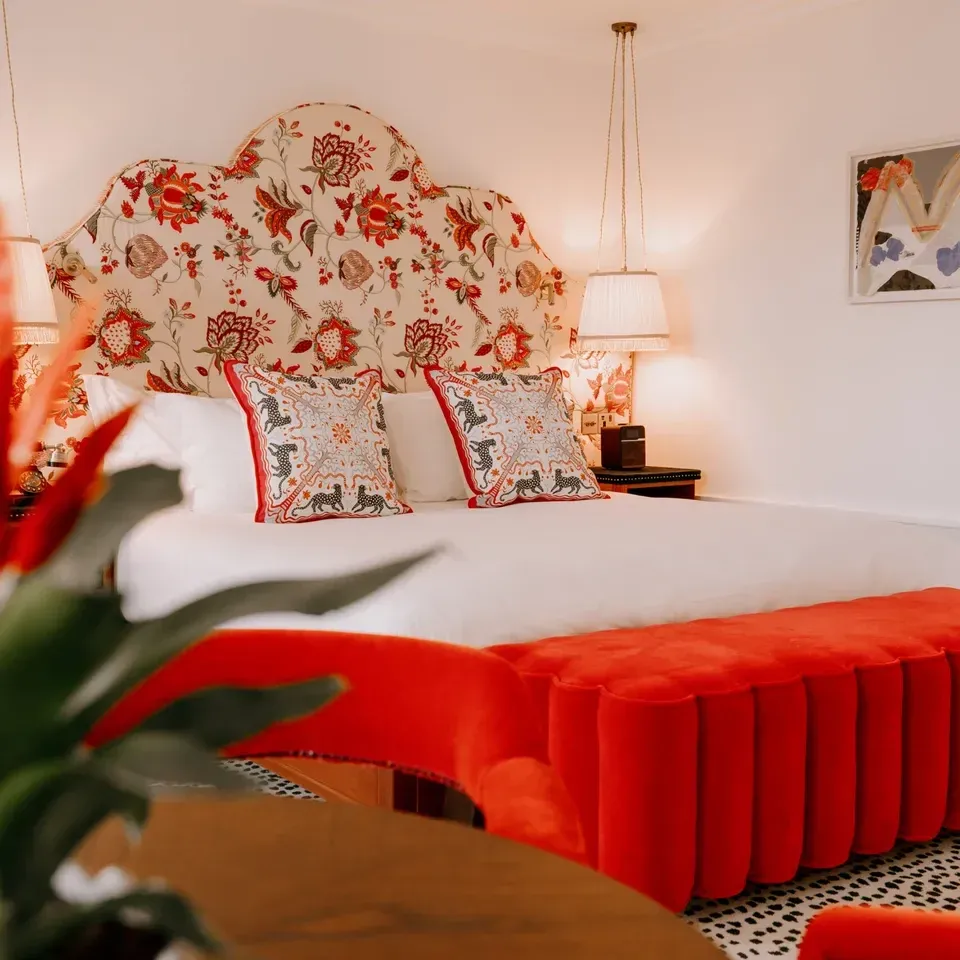
Let’s cut to the chase – accommodation in Dublin is expensive, but there are some lovely historical and boutique hotels to choose from.
If money is no option head to The Merrion. Set within a Georgian townhouse, this is the ultimate luxury Dublin has to offer. For a modern option, try Number 31, a quirky hotel split into two parts – a plush Georgian townhouse and a sleek, modern mews building connected by a secret garden.
Recent opening The Leinster also has a lot of things going for it – sumptuous interiors by Irish design team O’Donnell O’Neill, world-class dining options and a central location nestled on the corner of Merrion Square.
Tips & advice
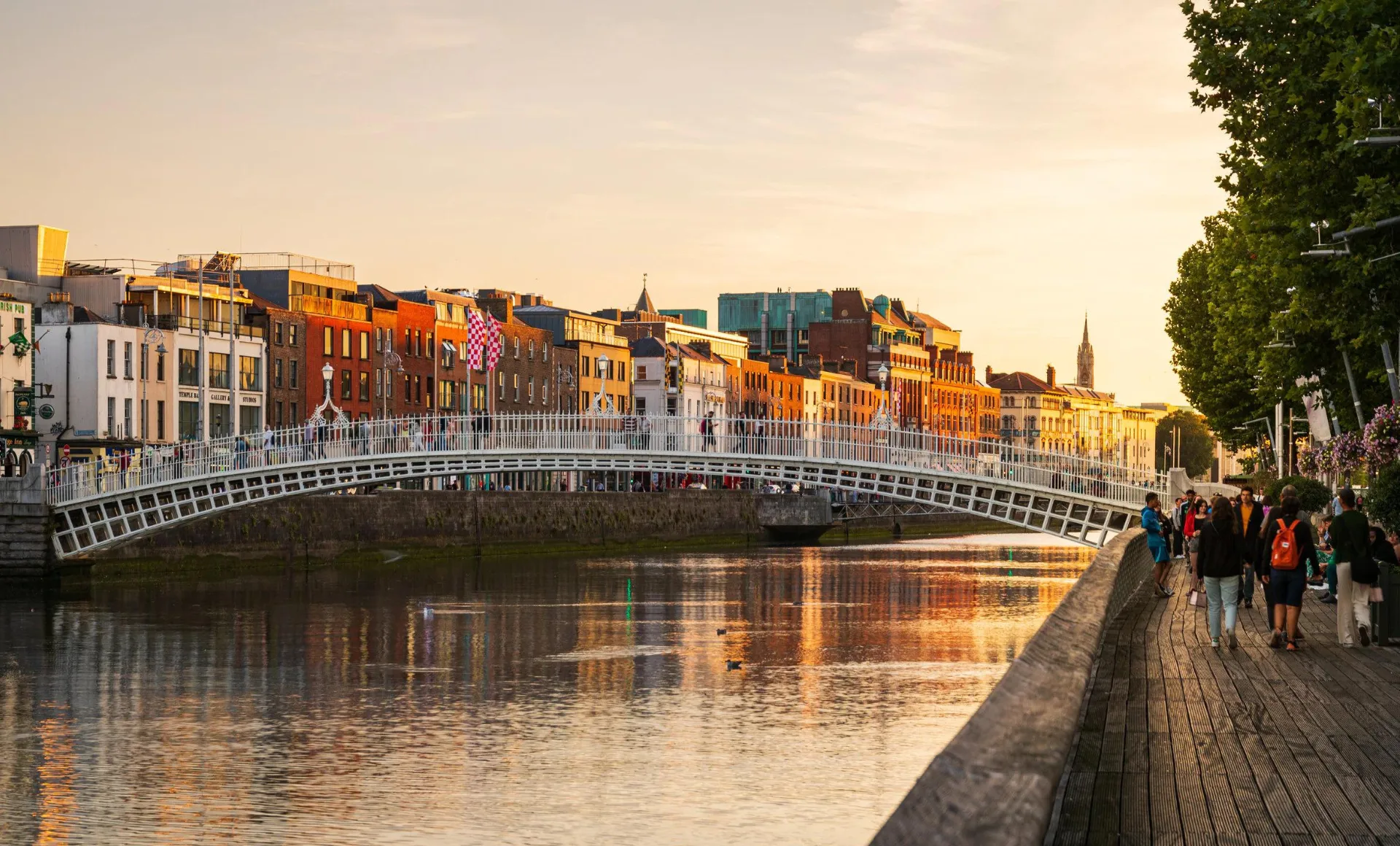
Best Time to go? Ireland is never hot, but the summer months, when the evening light stretches past 10 pm, is when the city is at its best. To combine great weather, lower prices and fewer crowds, the shoulder months of May or September are the time to go.
Getting around: Dublin is very walkable, so unless your accommodation is outside the city, you won’t need a taxi other than to and from the airport. If you plan on taking some day trips, think about getting a Leap Card (Dublin version of the Oyster Card) as contactless, as of yet, isn’t accepted on buses or trains so you’ll have to buy a ticket.
Getting there from London: The flight is roughly 45 minutes and you can get a return airplane ticket for about £60, so very easy.