“I’m A Film Writer & Here’s My Honest Review Of Hamnet”
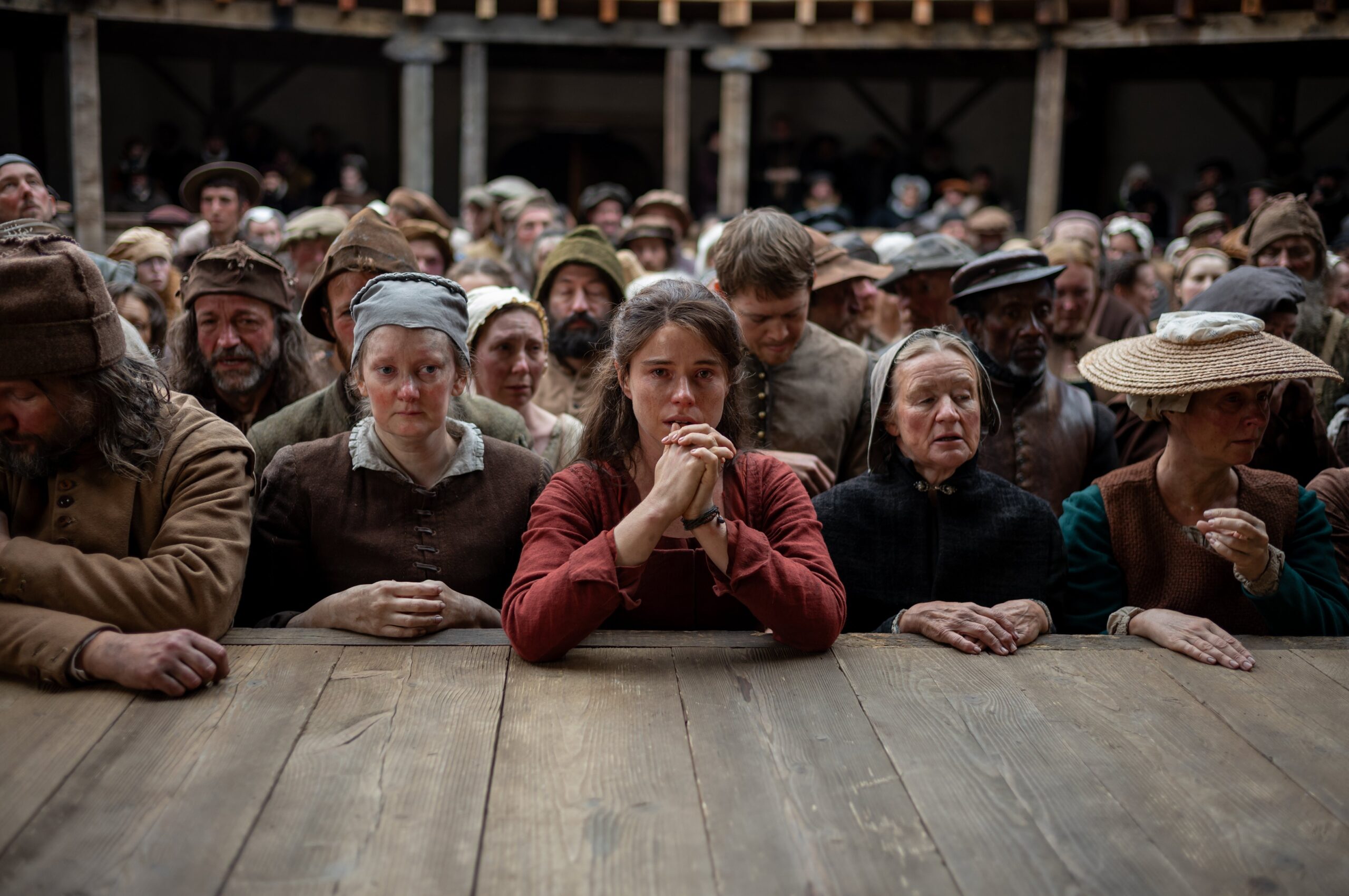
Grief and loss are hard topics to discuss, but Nomadland director Chloe Zhao manages to do so elegantly and yet often gutwrenchingly in Hamnet, one of last year’s most talked about films, which has just been released in UK cinemas. Starring Jessie Buckley and Paul Mescal, it follows the relationship between William Shakespeare and his wife Anne Hathaway (here named Agnes Hathaway) as they try to make sense of the sudden loss of their son.
From book to screen
Hamnet is based on the novel of the same name by Maggie O’Farrell (who co-wrote the film screenplay with Zhao) and brings us to Stratford in the 1590s. William (Mescal), a tutor and storyteller who would soon become history’s most famous playwright, meets Agnes (Buckley), and soon falls in love with her. While they cherish the children they have together, including their son Hamnet, William is often away from home as his theatre career takes off. It’s when he’s away that Hamnet falls ill from plague and dies at 11, shattering his parents’ lives forever.
The acting
Of both the lead performers, it’s Jessie Buckley who has the most to navigate in her performance: Agnes is both a woman who experiences the worst kind of grief in the loss of her child, and who feels alone and abandoned given her husband’s absence at the time. Earlier on in the film, she portrays Agnes as she is when she first meets and enchants William- and she manages to juggle all of these different character forms effortlessly. You get the sense of her as a strong-willed, rebellious woman who, unsurprisingly, attracts Shakespeare to fall deeply in love with her, and the building up of their relationship only makes the eventual outpouring of grief hit harder. Without being overwrought, you feel the pain and despair as Buckley hits the right notes of portraying loss- and it’s no wonder the film has been called one of the most devastating dramas in recent years.
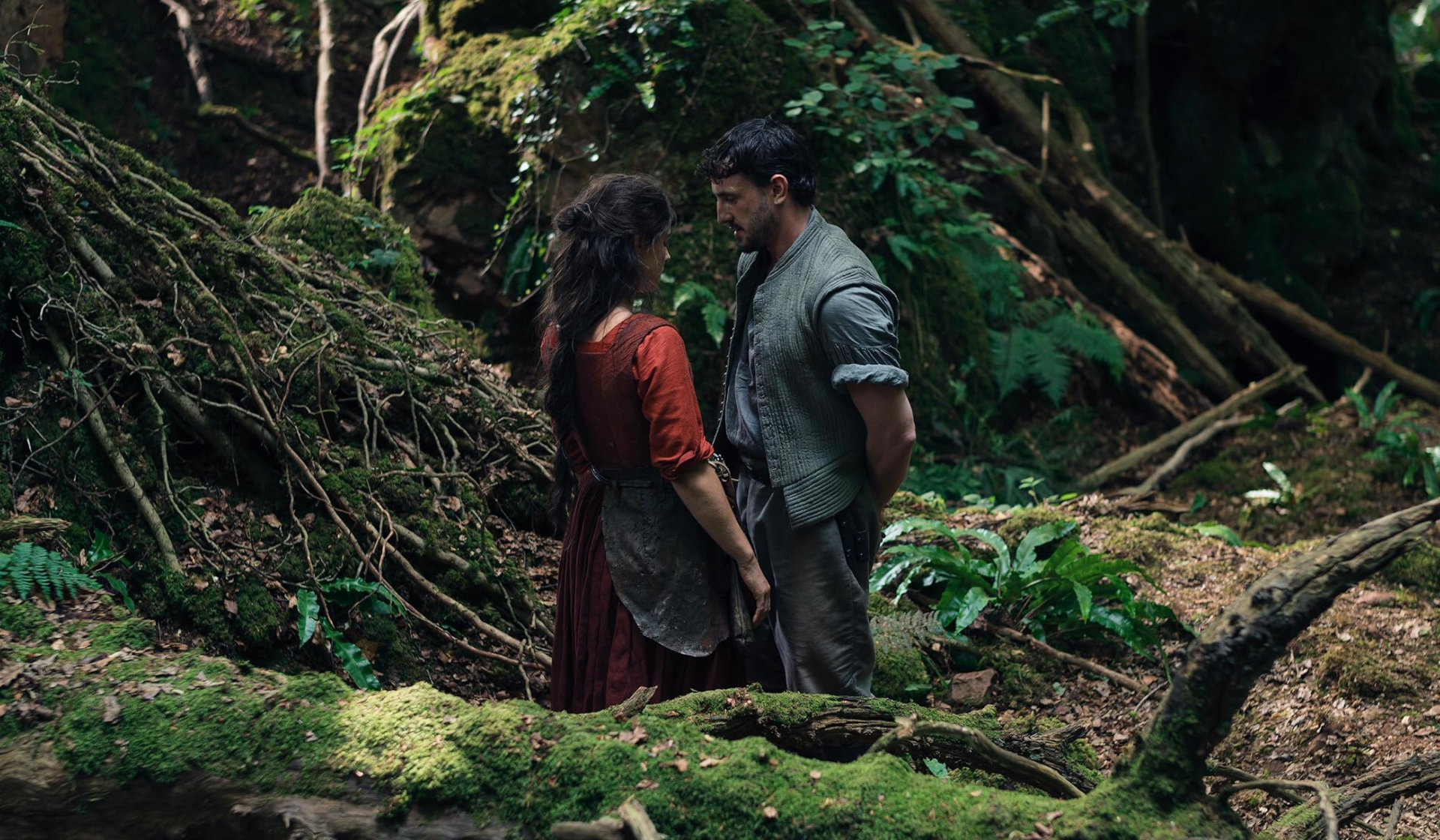
Opposite is Mescal, who, although he has somewhat less to work with and is less of an all-encompassing performance, still gives an impressive turn as history’s greatest playwrights. Shakespeare, of course, is renowned for his ability to communicate universal human experiences like love and loss, and with Mescal’s version of him, you can see why: he’s ponderously sensitive and has a deep affection for the woman who becomes his wife and then the mother of his children. He’s still more grounded than she is, and his leaving to go to London to achieve greatness with his plays is believably part of who he is, rather than feeling like a plot device to create conflict. While Buckley’s performance is perhaps more multifaceted and moving, Mescal’s William has to communicate the horrible feeling of having not been there at the end of his son’s life.
Not only is it hard to navigate the obviously difficult themes at hand, but placing them within the context of the world’s most revered writer is also a tough challenge. You know from the get-go that the Hamnet in the title must somehow relate to the title of Shakespeare’s best-known play, and indeed, we eventually discover that the loss of his son will inspire William to begin work on it. But this film is a fictionalised version of real events and not a Shakespeare biopic, and while Hamlet’s creation is an important part of the story, it’s not the reason it’s being told. There is much, however, for any fans of Shakespeare and the play to enjoy in how Hamnet depicts the events William experiences as impacting his work, and it feels mostly earned.
The cinematography
Otherwise, the film looks good and is directed well too- unsurprising from the director of Nomadland. There’s plenty of time to take in the nature, which is especially important to Agnes’ character, like her penchant for falconry, and forests (which are often important in Shakespeare’s work) feature heavily. The film also does a good job of adapting the original novel itself, which again can be a tricky balancing act. While so much of Hamnet rests on Buckley and Mescal, other notable turns include Emily Watson, who plays Shakespeare’s mother Mary.
The verdict
All told, Hamnet certainly deserves the high praise it’s gotten, and you’ll definitely need to prepare yourself for a very emotionally charged and sad film that depicts painful subject matter. In some ways, it may be a bit too reliant on being a tearjerker, and can feel a bit too obvious and upfront with what it’s trying to say, which some may like, but I did find did slightly let down the dramatic elements. However, you’ll still be rewarded with some of the best onscreen acting of 2025, and Hamnet is overall a worthy take on Shakespeare’s life.

In theatres from January 9