How To Find The Right Influencer For Your Brand
So you’ve just started your new brand. You want to have influencers endorse and advertise your new products, but how on earth do you start? We’ve got you covered. We know how tricky it can be to source the right people to get behind your passion project, so we’ve compiled some of the best tips and tricks to ensure you get the most out of any influencer relationship.
Perfect — if the focus keyword is “how to find the right influencer for your brand”, we’ll build the whole piece around answering that search intent. I’ll keep The Handbook central as the solution, naturally weaving in the phrase multiple times for SEO without making it feel forced. Here’s a tailored version:
How to Find the Right Influencer for Your Brand
Finding the right influencer for your brand can feel overwhelming—there are thousands of creators across Instagram, TikTok, YouTube, and beyond. The key is to choose someone who not only has reach, but also the right audience and the right values. That’s where The Handbook can help.
Step 1: Start With Research
The first step in learning how to find the right influencer for your brand is research. You need to know:
- Who your target audience is (age, gender, interests, location).
- What platforms they spend most of their time on.
- The type of content they engage with (short-form TikToks, long-form YouTube reviews, daily Instagram stories, etc.).
For example:
- If you’re a fitness brand, your best partner might be a TikTok creator sharing workout challenges.
- A luxury beauty brand might see better results with an established Instagram skincare expert trusted by a 30+ audience.
- A tech startup could benefit more from a YouTube creator who reviews apps and gadgets than from a lifestyle blogger.
Step 2: Use Tools to Compare Influencers
Instead of scrolling endlessly, tools like The Handbook‘s celebrity and influencer platform make it easy to compare influencers and celebrities. Our platform provides:
- Growth charts to show who’s gaining followers fastest each week.
- Social rank and brand influence comparisons to help you spot rising stars and measure credibility.
- Audience insights so you know exactly who’s interacting with their content.
This saves you hours of research and ensures you’re looking at data, not just guesswork.
Step 3: Look Beyond Follower Count
When figuring out how to find the right influencer for your brand, remember that bigger isn’t always better. A micro-influencer with 20,000 highly engaged followers might drive more conversions than a celebrity with a million disengaged ones.
Pay attention to:
- Engagement rates (likes, comments, shares).
- Authenticity of past collaborations.
- Whether their content style matches your brand voice.
Step 4: Prioritise Authenticity
Six years ago, people needed to see an advert around six times before acting. Today, that number is closer to 16 exposures. Consumers are increasingly skeptical of advertising and want genuine recommendations.
That’s why choosing the right influencer is about more than numbers—it’s about credibility. Audiences can quickly spot when someone is promoting a product just for money. To succeed, partner with influencers who already align with your values and would naturally use your product.
For instance:
- A sustainable fashion brand should work with influencers who regularly promote eco-conscious living.
- A family-focused product would resonate more with parenting influencers than with luxury lifestyle bloggers.
Step 5: Build Relationships, Not Just Campaigns
Finally, once you’ve identified the right influencers, focus on building long-term partnerships. Influencer marketing works best when audiences see consistent, authentic relationships between creators and brands.
The Bottom Line
If you’re wondering how to find the right influencer for your brand, the answer lies in combining research, audience insights, and authenticity. The Handbook makes this process easier by giving you access to influencer growth data, brand influence rankings, and comparison tools—all designed to help you choose the right partners and create campaigns that truly resonate.
Would you like me to also create a meta description and H1/H2 tags optimised for SEO so this could go straight onto a webpage or blog post?
It might seem like a daunting thought to reach out to celebrities and influencers, which is why we’ve made an easy and comprehensive plan for you to harness the power of social media marketing and use it to your advantage, click here to view our super detailed guide on how to contact influencers and celebrities. According to www.bigcommerce.co.uk, the two most important things to businesses who use influencer marketing are brand awareness (metrics tied to audience awareness of your product or service, such as content impressions, likes, comments and traffic) and direct response (metrics tied to specific actions, such as clicks, sales, conversions and subscribers).
There are hundreds of companies who have used influencer and celebrity gifting to maximise their sales. Sarah Shaw’s company Sarah Shaw Handbags grew to a multiple eight-figure business thanks to press in magazines like ELLE, INStyle, as well as being worn by celebs like Jennifer Aniston and Oprah. “There are so many benefits to getting your product photographed in the hands of a celebrity,” Shaw says. “The media is much more likely to be interested in your brand if you have celebs behind you.” So take notes; before long you might just have the marketing tools you’ve always wanted.
Relevance
Let’s start with the basics. You want to make sure the influencer you choose and their respective audience are relevant to your product, brand or service. I would recommend starting with a look into each of their social media platforms. Do they only post on Instagram, or Twitter as well? With the rise of Tiktok, this could be worth exploring also. According to www.mediakix.com, “TikTok has surged in popularity since its launch in 2016. When parent company, ByteDance, purchased Musical.ly and merged the two, it gave TikTok direct access to the Gen Z market. In 2018, the app was downloaded more than 660 times and an additional 188 million in Q1 2019 alone.” This could be a great way for you to get into a brand new and upcoming market, where your product may still be really niche. Influencers like Charli D’Amelio, Loren Gray and Zach King have all found success with Tik Tok and collaborated with brands like Dunkin’ Donuts and Hollister.
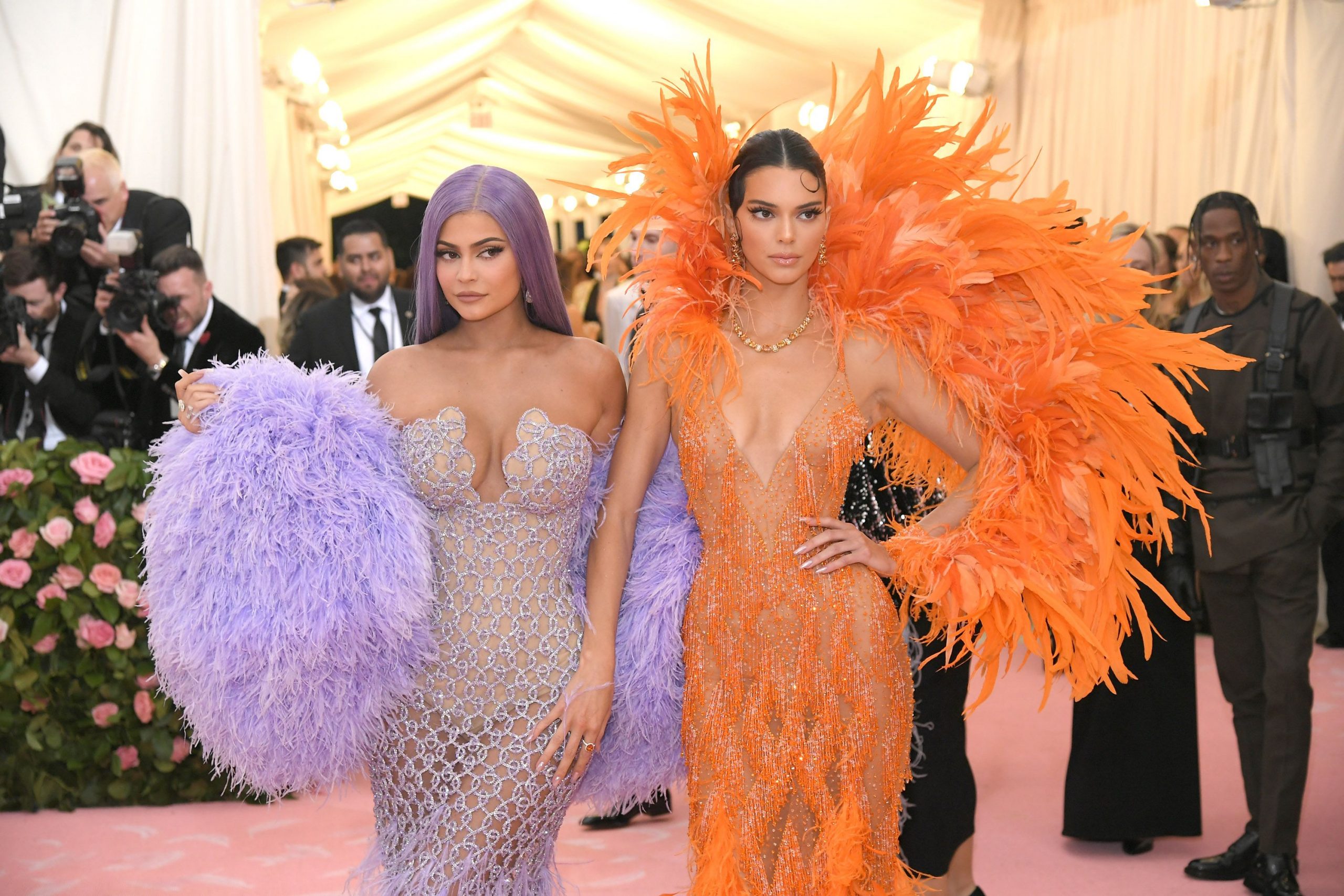
Like with everything, we so frequently rely on other people’s recommendations rather than the actual person/brand themselves. If your friend recommends a great restaurant they have just tried, chances are you’re more likely to go there for your next meal out than a random restaurant on the street. The same goes with influencer marketing. When you see the likes of Kylie Jenner using a new product, and you are in her target audience, you are more intrigued than perhaps would be if you just saw said product in a regular ad. Like all businesses, brand, recognition and outreach are exceedingly important to success, and using an influencer to create this recognition can be an excellent tool. In short, choosing the correct celebrity will create great media exposure. Not only do people pay attention, but they also talk; and with the power of social media, conversation momentum is more important than ever for campaign support and success.
Take OTBT (Off The Beaten Track) for example. They designs and sells women’s casual and travel shoes. It’s a relatively new brand that has quickly grown, and promotes a vibrant and positive lifestyle. Much of their success can be attributed to their carefully selected influencers, and their influencer marketing strategy.
OTBT’s Instagram launched back in January 2015, but its real influencer campaigns began in 2017. The team at OTBT chose to focus on micro-influencers with accounts of 5k followers or less. Since then, they have grown their influencer community from just a few influencers to over 400; 200 of which just signed on in 2020. Hannah Jenae, with around 3.4k followers, posted herself wearing OTBT to her loyal audience, giving the brand the right leverage they needed to put their young company on the map.
Finding an influencer that connects with your brand and connects with their followers is key. Influencers are really having to identify with their following on a much more personal level, and when discussing certain issues, it’s key to getting the message across, and also think how best they should shift their content as a result of COVID19, and also the tone . Here are 19 influencers who have used their influence positively through the pandemic. In terms of influencer marketing, brands and marketers can use this to their advantage when looking to target and promote their brand/product. Personalisation is all key when brands are looking to work with influencers, its important they find influencers that are relevant and personalise their message to them. Tips on this can be found here.
Engagement
As with any social media content, engagement is the driving force behind it. There is no point in carefully piecing together all of your research, influencer content and gifting products not to have any engagement on the posts. This is crucial, as engagement essentially means potential customers. The higher the engagement, the higher your chance of sales. Pretty straightforward, right?
A good idea would be to look at your chosen influencers engagement on both previous unpaid and paid posts. They should have an idea as to what works better for them and what doesn’t, so take this on board when planning your campaign. To calculate the engagement rate for a single Instagram post, add the number of comments and likes to get the total amount of engagement, then divide that total by the account’s number of followers, and multiply that result by 100. The higher the engagement, the better! If your calculated engagement rate is above 6%, this is generally classed as very high.An element to take on board when considering engagement rate is micro- versus macro-influencers.
An element to take on board when considering engagement rate is micro- versus macro-influencers.
What is a macro influencer vs micro influencer
In simple terms, a macro influencer has a large global following, whilst a micro influencer holds a smaller, often local following. Normally a micro influencer is anyone who has between 10,000 and 500,000 followers on their social media channels, and a macro influencer is anyone with figures greater than these.
However, the key thing to consider it not the numbers but the level of engagement. Micro-influencers can be found in almost any sector, our platform categorises these influencers into focused groups, such as beauty, fashion, health etc.
How can micro influencers help brands? Micro influencers spend all of their time building up their following and not necessarily much time monetising on that following, therefore not only do they generally put in a lot of work to ensure they offer the brands as much value as possible but they also have a highly engaged audience who trust them and are not used to being constantly sold to by them. Often the larger the following is the lower the engagement rate is, therefore brands can benefit from hiring a group of micro influencers, or a combination of micro-influencers and celebrities to raise the ROI of a campaign.
Many small businesses are choosing to work with smaller influencers, with around 5k+ followers, who have a niche following or more loyal followers and using this to their advantage. Take Audible for example. They partnered with photographer Jesse Driftwood, who posted a photo of himself using Audible. He explained how he uses Audible to gain more experience with business management and productivity, all while involved in other activities. Although Driftwood had fewer than 100,000 followers at the time, the Audible marketing team realised that his fans are particularly loyal and engaged. “His simple anecdote makes followers feel as if they’re receiving an authentic suggestion from a friend,” says Harley Schachter, president and founder of Travel Mindset.
The Handbook has over 627,000 global celebrity and influencer contact details, which are constantly updated. For full data on engagement and reach, as well as full audience breakdown by category for celebrities and influencers, have a look here.
Authenticity
Finding an influencer who matches your sector/brand cannot guarantee your success, but it definitely brings you closer to it, check out The Handbook’s celebrity and influencer platform to see how to do this . Say you have a baby toy aimed at toddlers, and want to use influencers to promote it. A good influencer would be a parenting blogger, like the Saccone-Jolys. You can see that they are authentic with what they choose, as they themselves have 4 children. A high percentage of their audience are probably parents too, so you would be getting straight to your target consumers without all the faff of a large advertisement campaign. You must have found the influencer you are interested in somehow, so reflect on this? Did you Google search parenting blogs, or have you already followed these people? If you have been following them before you probably have a good affinity with them and what they represent- already proving that authenticity matters!
According to www.keyhole.co “71% of influencers believe that what keeps their audience engaged is an honest and authentic voice”. This is a significant number! Like with any business arrangement, you want to know that who you are working with cares about the same things as you do, and encapsulates the same core values as your brand. This can be tricky to navigate, especially with some smaller influencers who may just be looking to make a quick buck. You need to reiterate what you want to achieve out of this relationship, and where this could lead you in the future.
Remember that no one else knows your brand like you do. Take note of the influencers tone of voice. Do they use lots of emoji’s, but you use very minimal? Are they using slang words or a more formal way of communicating? All of these elements tie into how your brand will be reflected to their audience. They won’t want to change how they interact with their followers just for you, so make sure that they would convey your product in a way that resonates with your brand’s own voice.
Reach and Relevance
The next thing you want to think about is reach. Essentially reach is the number of people, or rather accounts, that have seen a particular piece of content. Don’t get this confused with impressions, which is the number of times a piece of content has been seen, regardless of how many times those views came from the same people/or accounts. You have to remember that reach can mean someone who saw the post or content for a brief moment, not necessarily in depth. With platforms like YouTube it is more likely that reach should be a factor as the person viewing it has to click onto the video to play. Number of followers is not enough to really determine which influencer is best for your campaign. The potential reach will always differ from the actual reach, so bear this in mind when considering KPIs.
A big focus should be unique reach. Unlike impressions, which are counted several times for the same post, unique reach measures the total number of unique people or accounts who see an ad or post. This is so important as it shows you how many people saw your content across different apps, sites, etc. Impressions track every single time your content is viewed, whereas unique reach will indicate that one single user saw your content three different times, for example. Why does this matter? Unique reach equals more widespread brand awareness, to more new faces.
One of the most successful influencer marketing campaigns was one between sustainable skincare brand Biossance and Jonathan Van Ness (Queer Eye). Jonathan’s personable nature and expertise in the beauty arena meant that his followers would be the perfect audience for a brand like Biossance. Jonathan’s own values align perfectly with those of Biossance, so it was really a match made in heaven. With 5.3 million Instagram followers, Jonathan’s platform allowed Biossance to connect with an audience who already have an interest in beauty and who resonate with the content Jonathan shares.
Who could be the Jonathan Van Ness to your brand? If you’re still not sure, take look here at the demographics and comparisons between different influencers, which you can break down by category.
Once you’ve identified potential influencers, reach out to them and discuss your brand and goals. Negotiate the terms of your partnership and create a mutually beneficial agreement.
Gain
When all is said and done, what are you getting out of your influencer marketing campaign? It might seem like a very straight forward question, but it is something you need to keep thinking about when approaching any influencers. If you plan on building a relationship with an influencer through influencer gifting for example, you should take this cost into account when sifting through the thousands of Instagram accounts. Can you afford to send them your products free of charge? This is a great way to get an influencer on board and have them try out your product for themselves. Starting with only £960 in his account and 6 dresses, Adam Frisby used TOWIE star Lauren Pope to promote his company. In The Style is now worth over £30 million and it has collaborated with many UK celebrities including Billie Faiers, Jacqueline Jossa and Emily Atack. By sending influencers the right dress or outfit for their occasion, like a night out, Frisby solidified In The Style as the perfect one-stop-shop for all kinds of events. A simple gesture like sending a gift can help to earn an influencer’s trust and pique their interest in your brand.
The long-term goal, I imagine, is to not only have a heightened brand awareness and new customers but also generating money where you can. Lots of influencers are able to turn over engagement rates and interactions and make them into cash, and you can profit from this too with the right tools and outlook. By starting a conversation with them through liking posts, sharing content and eventually reaching out you are essentially putting your brand on their radar. You want to make sure that your chosen influencer encapsulates the right image for your brand and can provide that niche market of consumers that a traditional marketing campaign probably could not do.
If you have the budget to host an influencer event, then here are some tips on how to go about it . Take Bonobos for example- When they launched the #BetterThanAC campaign with Foster Huntington, all of the posts included clothes from Bonobos’ Summer Collection. All of the photos and videos were taken in natural outdoor surroundings to show the summer environment. Thanks to these tailored posts, they generated over 5.1 million impressions combined. They also got over 68,000 engagements, which increased their engagement rate by almost 3 times.
Following these simple steps is a sure way to get you connected to the right influencers, with the right audience.
If you’re wondering how to find the right influencer for your brand, the answer lies in combining research, audience insights, and authenticity. The Handbook makes this process easier by giving you access to influencer growth data, brand influence rankings, and comparison tools—all designed to help you choose the right partners and create campaigns that truly resonate.