“I’m A Film Writer & This Is Why We Can’t Stop Watching Old TV Shows”
How often do you watch Friends? Back in 2018, an Ofcom survey reported that it was the number one most-streamed show in the UK, and not much has changed since, with the show being one of HBO Max’s main selling points when it launched this year. And it’s far from the only show from yesteryear that still draws in millions of viewers. So why can’t we stop watching old shows? Is it purely nostalgia and escapism, or perhaps that modern TV is missing something?
Nostalgic indulgence
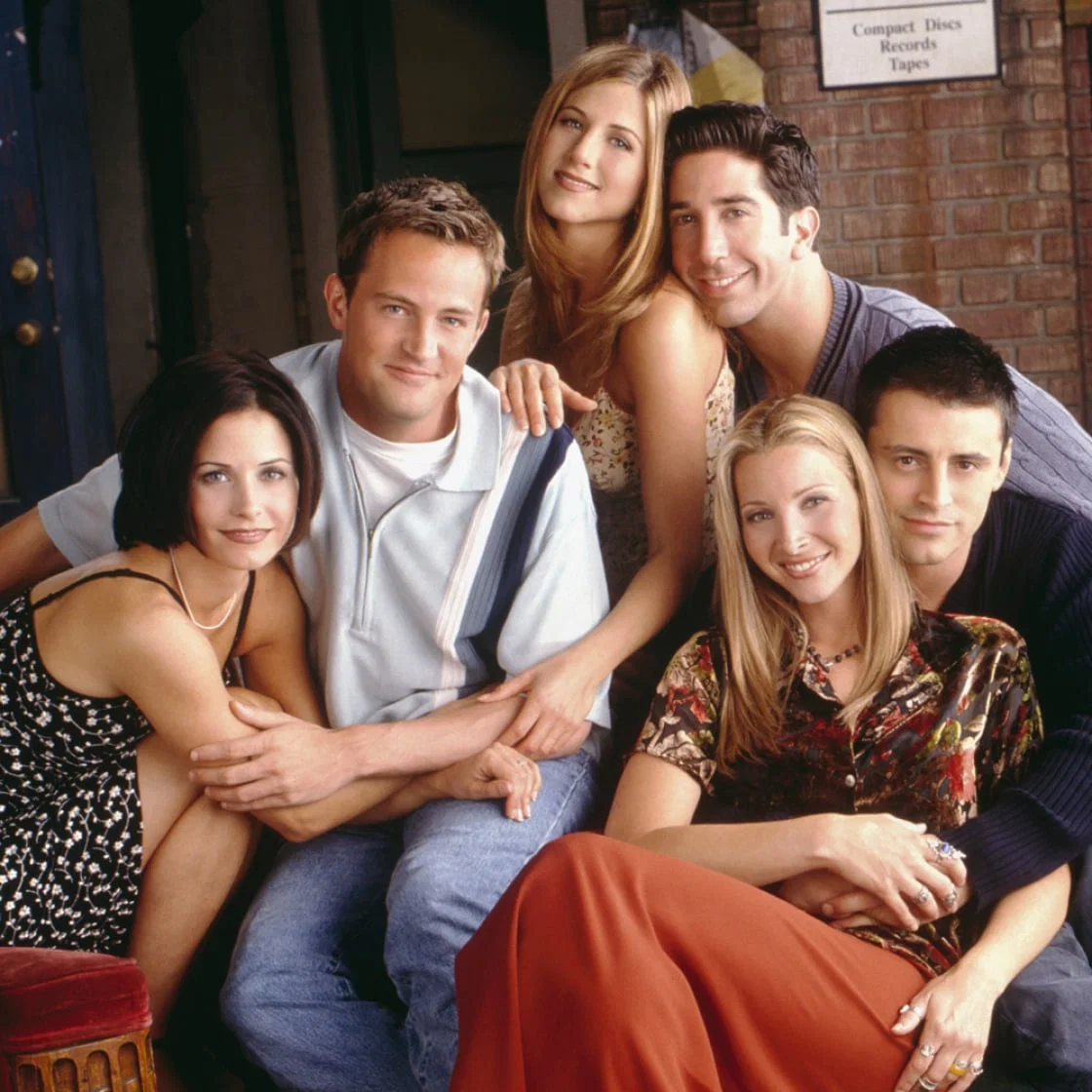
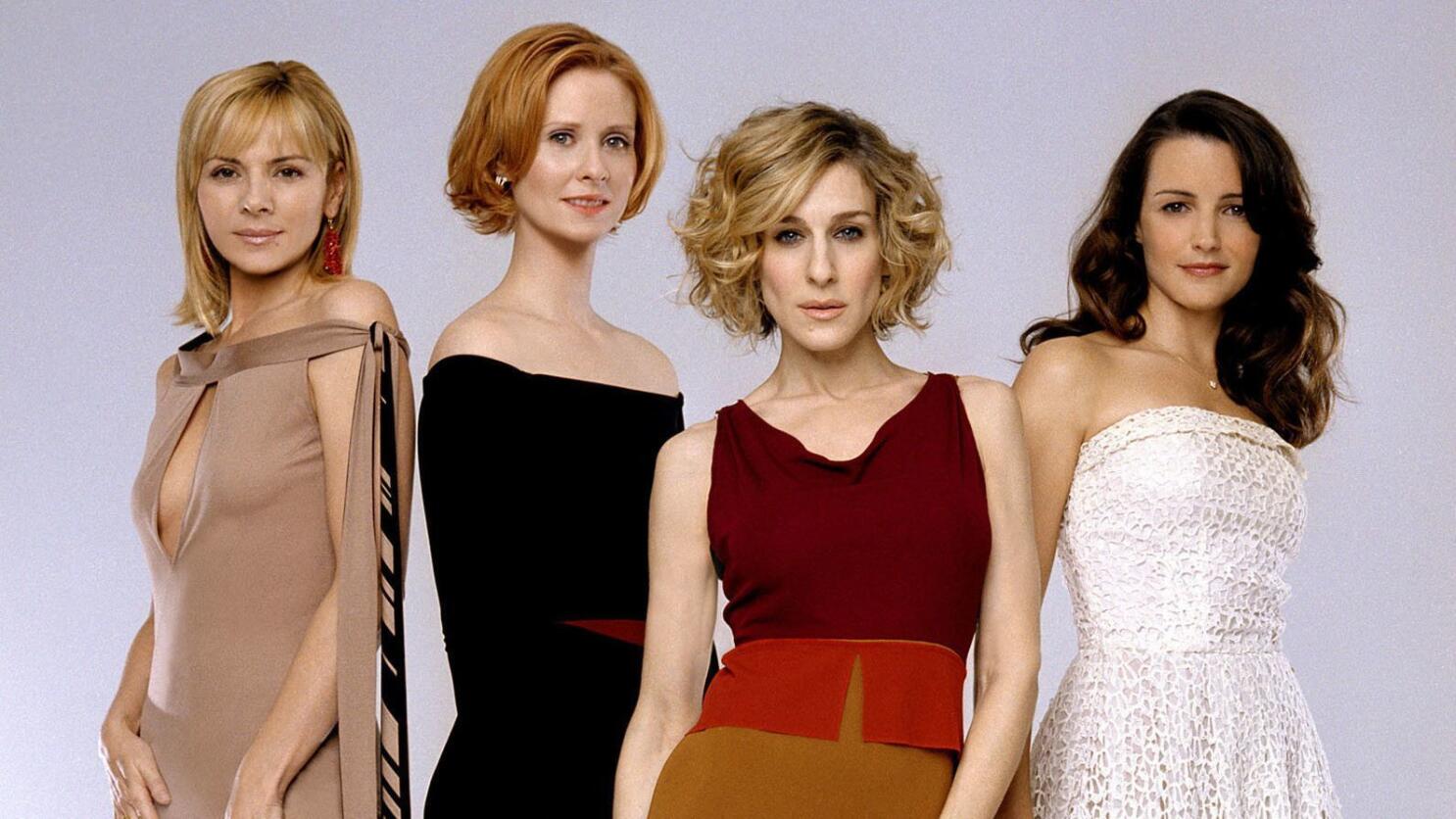
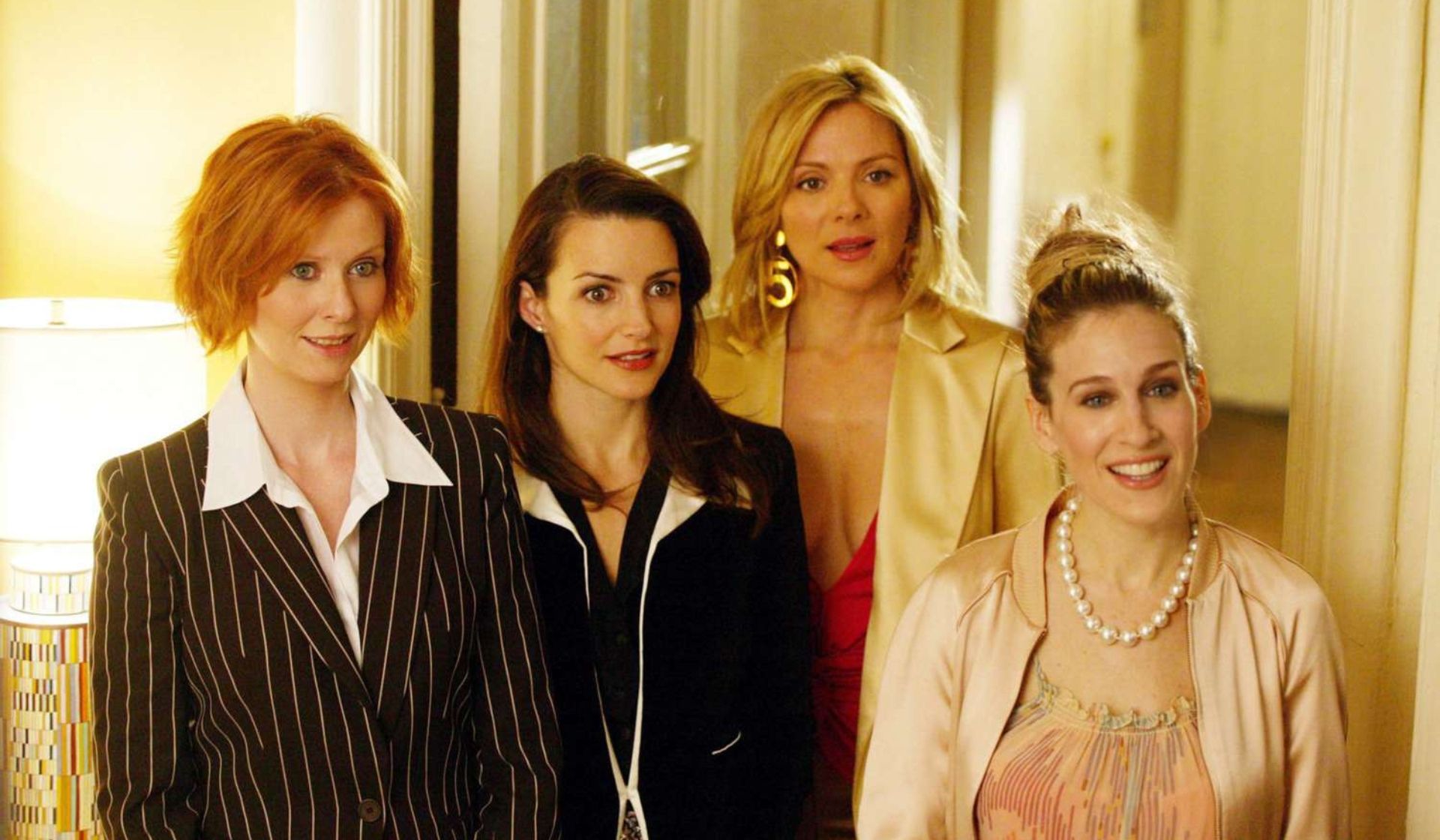
Perhaps one of the most appealing things about older TV series is that nostalgic pull, the feeling of trying to relive the past. Sometimes it’s just a desire to recapture the feeling of watching a great show for the first time, even if you already know the big twists and turns. We all know the familiar is comforting, and you can quote along by heart to your favourite episodes of Sex and the City. Half the appeal of Friends is hanging out with Rachel, Monica, Phoebe, Joey, Ross and Chandler, and maybe spotting jokes and moments you never noticed before. Often, rewatching an older show transports us back to the past, whether that past is the time when those episodes were released or the point in your life when you first watched them.
Perhaps one of the most appealing things about older TV series is that nostalgic pull, the feeling of trying to relive the past. Sometimes it’s just a desire to recapture the feeling of watching a great show for the first time, even if you already know the big twists and turns.
Rufus, Contributing Entertainment Writer

That’s the curious thing about the popularity of shows from the 80s, 90s and early 2000s: those younger viewers who might not have been around or remember the time period. 80s and 90s nostalgia has been all the rage in the last decade or so, but often it seems to be driven by Gen Z viewers or younger. Perhaps it’s a romanticisation of the past and what may have been missed out on, like living in a glamorous New York apartment being a bit more attainable. Was life really better and simpler when everyone had landlines, phonebooks, no social media and used cash rather than Apple Pay?
Cosy familiarity
The other thing, of course, about older shows is that (usually) they’ve long since ended, meaning you have an idea of the quality of the show as a whole. We all know that something currently on TV can be cancelled, bringing it to an abrupt end. And who knows whether a series will suddenly drop off in quality, after you’ve already become invested in the characters and story? Those worries are eliminated, mostly, by the familiarity of an old show that’s run its course. The cosiness that comes with capturing a time, a place and a feeling is a central appeal: my parents and I like watching old episodes of The Royle Family around Christmas, partly because it’s a real time capsule of late 90s and early 2000s Britain (even if admittedly I barely remember the early 2000s). Winter and colder weather definitely lend themselves to comfort viewing, and there are some shows that just work better when it’s chilly outside.
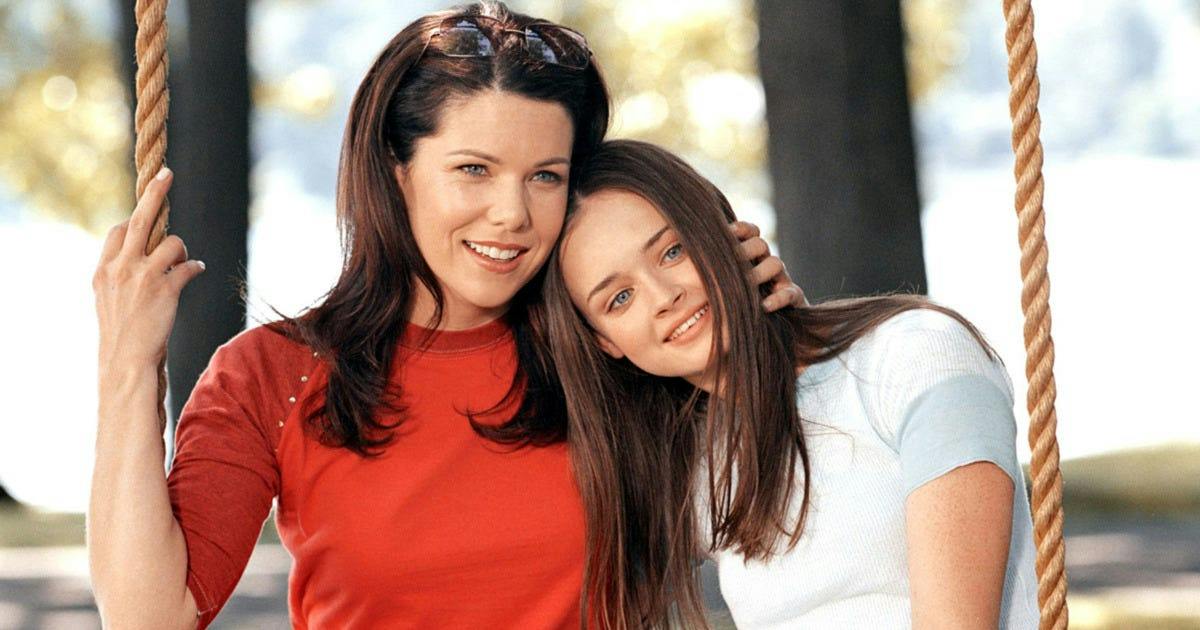
Gilmore Girls is one of my favourite shows to rewatch. It just feels so nostalgic and is the perfect comfort watch, particularly when the colder weather hits. Put it on in the background or cosy up with a cup of tea and give it your undivided attention – it’s one of those shows that just suits every occasion and never gets old
Amelia, Culture & Lifestyle Editor

Is modern TV missing something?
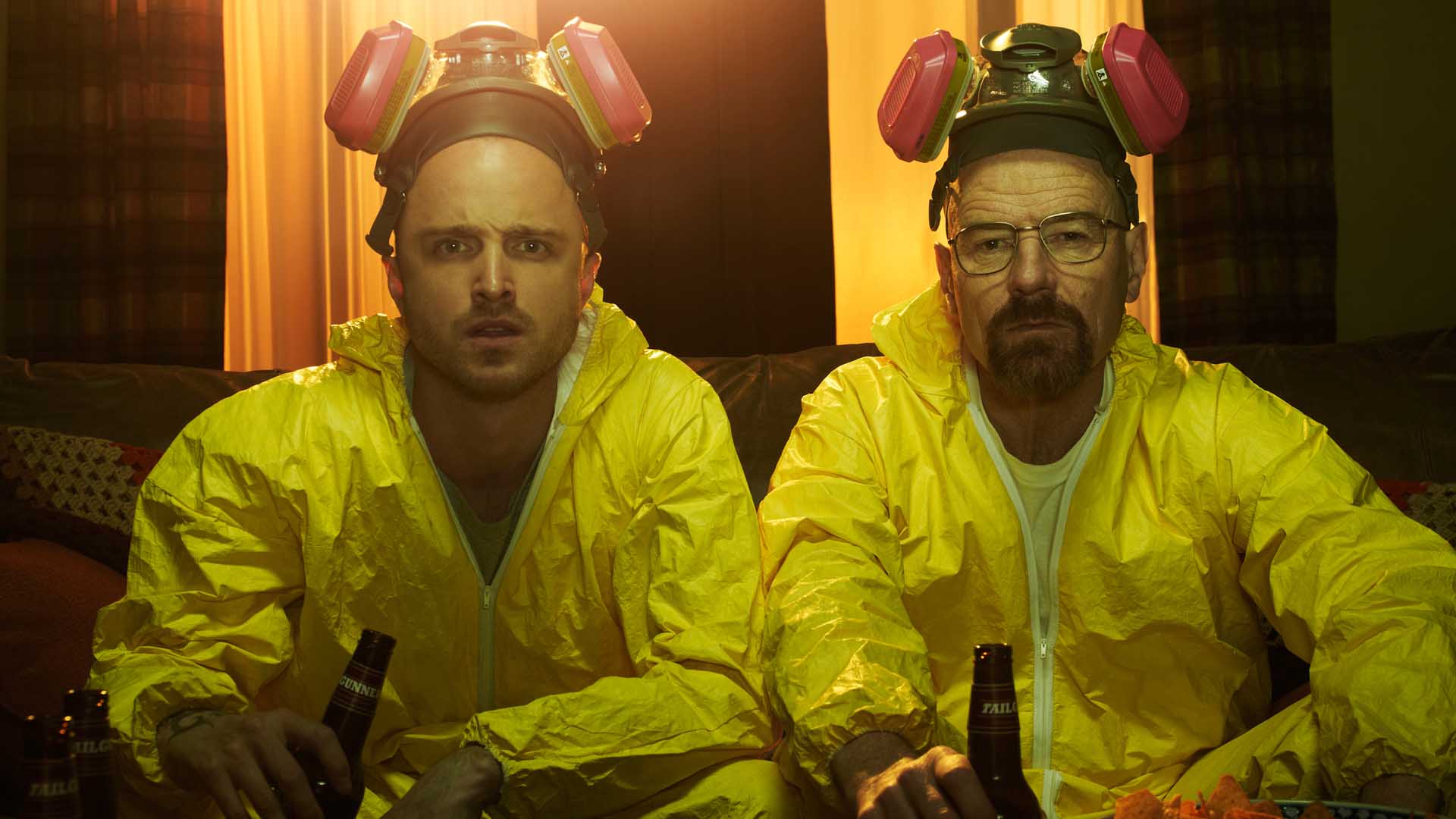
It’s also easy to feel overwhelmed by the vast amount of choice across streaming services these days. And newer shows, despite their higher budgets and more cinematic feel, often have notable downsides: fewer episodes, longer gaps between releases, and plots that really demand you watch in order. While it’s true British shows mostly had fewer episodes anyway in decades gone by, the same was largely not true for American shows. Friends, for example (and many others), had seasons of roughly 24 episodes, and with 10 seasons in total, there’s a lot to put on when you need an escape, whether you’re fully watching it or having it on in the background. Even dramas used to be a little longer- most seasons of Breaking Bad and The Sopranos are around 13 episodes long.
One of the biggest downsides to modern TV, though, is that it often follows a stricter, more overarching plot with a lot of character development. This is not entirely a bad thing- Breaking Bad helped push the trend anyway- but it’s harder to just “drop in.” Stick on an episode of an older show, whether British or American, and they’re often more self-contained so that you can just enjoy them as is. Friends even riffs on this with its “The One Where…” title prefixes. Put on a random episode of House of the Dragon, and it’s a lot harder to remember where things are in the story. It’s particularly interesting that this is the case when music feels like it’s been going the other way, with personal playlists and shuffling tracks the norm on Spotify and Apple Music. Maybe Netflix should introduce an episode randomiser for older, more episodic shows?
One of the biggest downsides to modern TV, though, is that it often follows a stricter, more overarching plot with a lot of character development… it’s harder to just ‘drop in.’
Obviously, modern TV remains where the discussion and hype is, and there’s plenty to like about the current streaming formats. But there is a certain pull that older shows, whether purely nostalgic or not, have that is hard to replicate.