“Refusing To Share Food Is Refusing Connection”
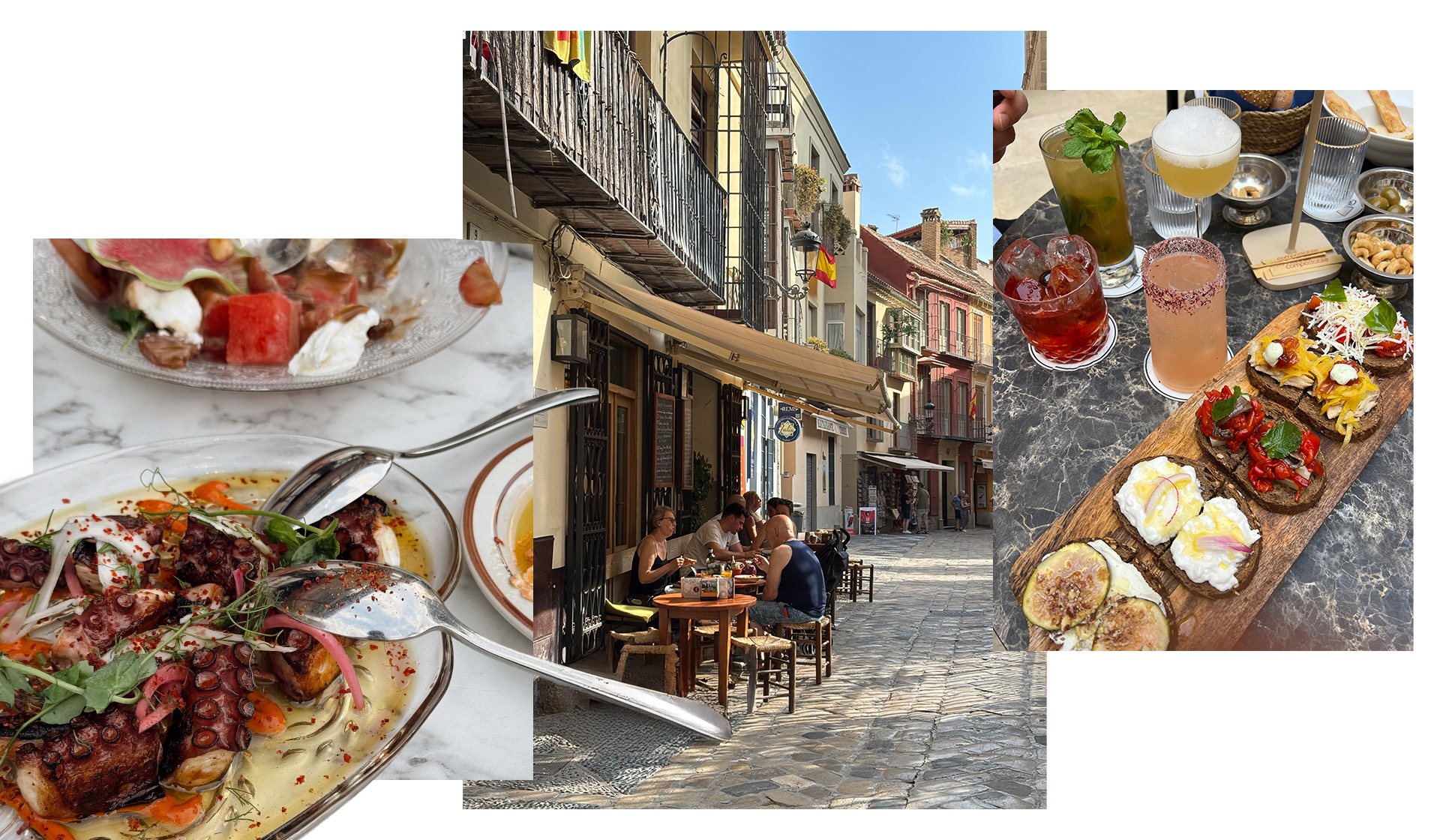
Sharing tells you so much about a person. It can tell you if they’re generous or jealous, playful or serious, where they fall in the birth order, if they’re a morning or nighttime showerer, their love language, it can probably even tell you their IQ. Sharing, to me, is everything, and from a lifetime of sharing food in some of the best restaurants or at home cooking, here is what it has taught me.
When we decline to share food, we are not simply preserving a boundary around what is ‘ours’; we are, perhaps unknowingly, rejecting an opportunity for connection.
Mallory, Junior Food & Drink Editor

Why I share
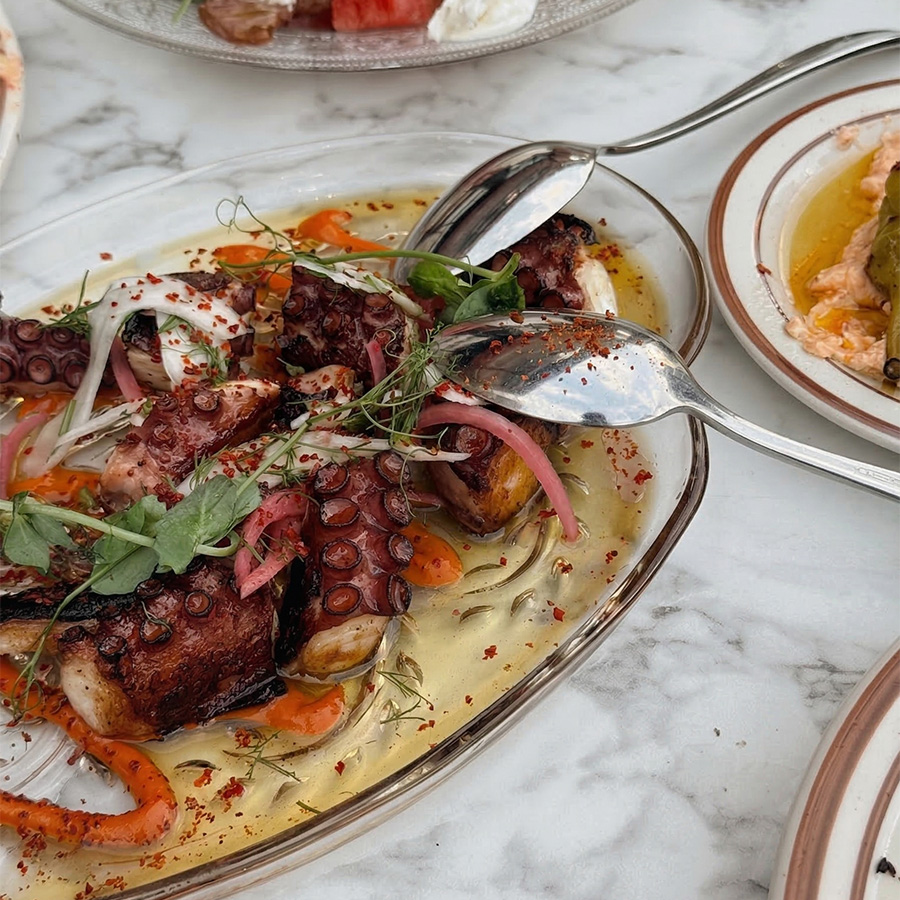
I’m a sharer through and through. I go out to eat nearly every night, and every night it is the same. I anticipate that I will be sharing the food with the date or with the table. We work through the menu, we discuss, deliberate, and, ultimately, the food comes, and it does not matter which plate lands in front of who; by the end, they’ll be at a different place entirely.
A lack of sharing food irritates me. This is not because I want more food, or because I am jealous of yours (although that can sometimes be the case). It comes from two places, the first being an inability to decide. This is different from not wanting to commit; it’s that a menu or a meal offers so much. A good menu is abundant in dopamine kicks and calls to action. It is in my nature, and I’ve found, very many diners’ natures, to find the two most intriguing dishes on the list (perhaps a few more if we’re going for starters). To ask me to part with one would be blasphemy. Sidenote: to order two of the same dish at one table and eat them separately? Excuse me while my eye twitches.
Secondly, and more truly, my affinity for sharing comes from a place of wanting to understand. The mere feeling of sitting across the table from you as you exclaim that this is an amazing steak! and I have no idea what it tastes like? That, to me, is agony. You may as well put me in a straitjacket.
“Do you want to try a bite of mine?” she asked. “No, I’m all good.”… The ceiling caved in, the walls imploded, and in the distance, sirens. What do you mean you don’t want to try a bite of mine? What evil extraterrestrial possessed you to not want to try a bite of mine?
Even if it is something that I do not like, say, a raw clove of garlic. I can assure you that if I see you pop one in your mouth, part of me will itch to get my hands on one of my own, just so that I know what it tastes like, what you are experiencing, so we can share in that adventure.
Why we should share
This is where the glorious experience of sharing food lies — connection. Why must we sit across from each other with what may as well be a screen separating our place settings? Is what lies beyond the tea candle lava? Are we lions in the grassland? Guarding our prey?
No, we are not lions. We are two margaritas in at a modern Thai fusion sharing table in Shoreditch, please offer me a bite of your pork belly bao bun. Better yet, accept my offer to go halvesies on the fish and the fried chicken. Please.
To share is to set an intention. It is to propose a temporary, although significant commitment. Something that you cannot take back. It presents an opportunity for problem-solving when it comes to the fateful decision of what to split, what sides to go for.
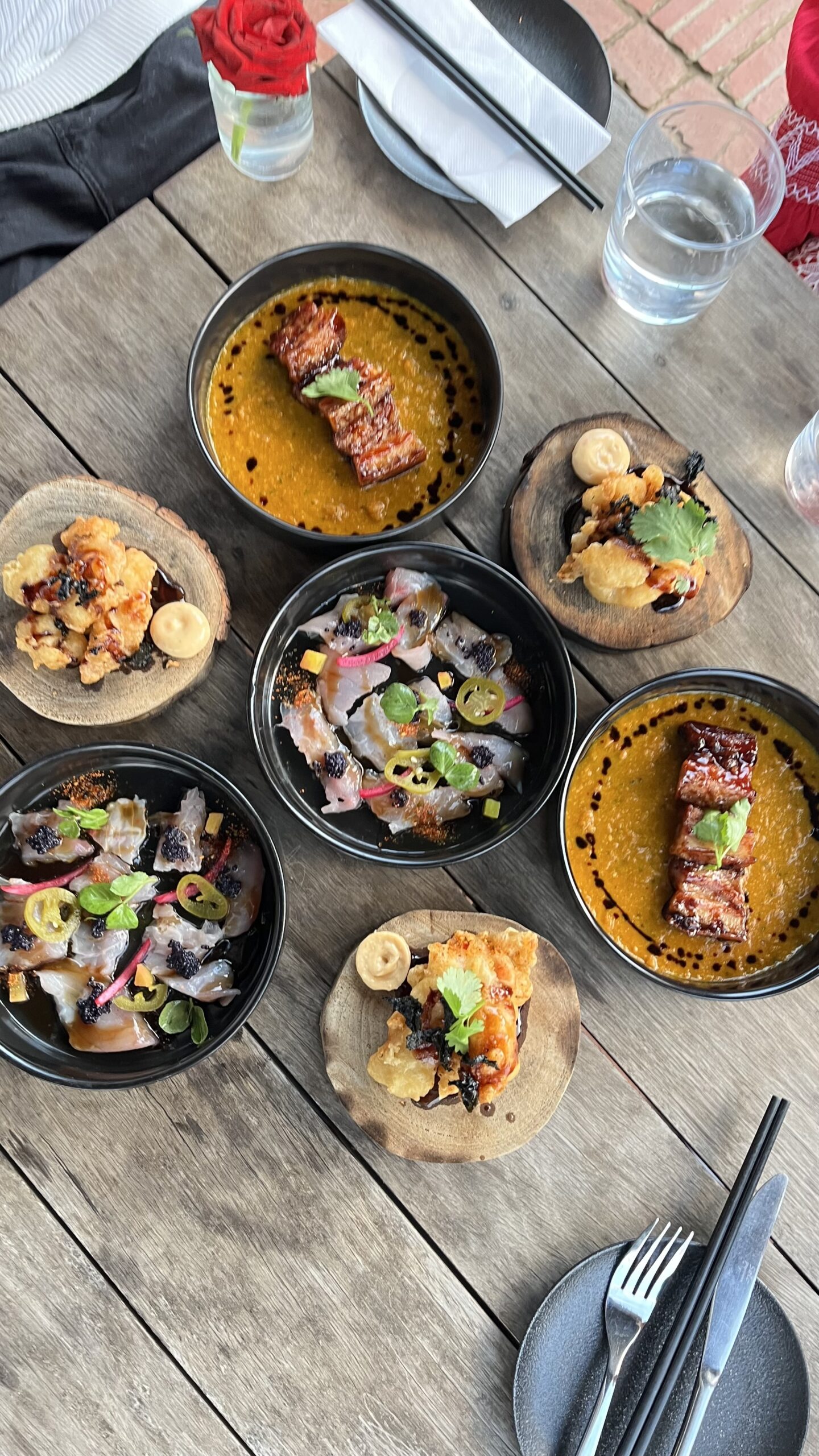
What not sharing means
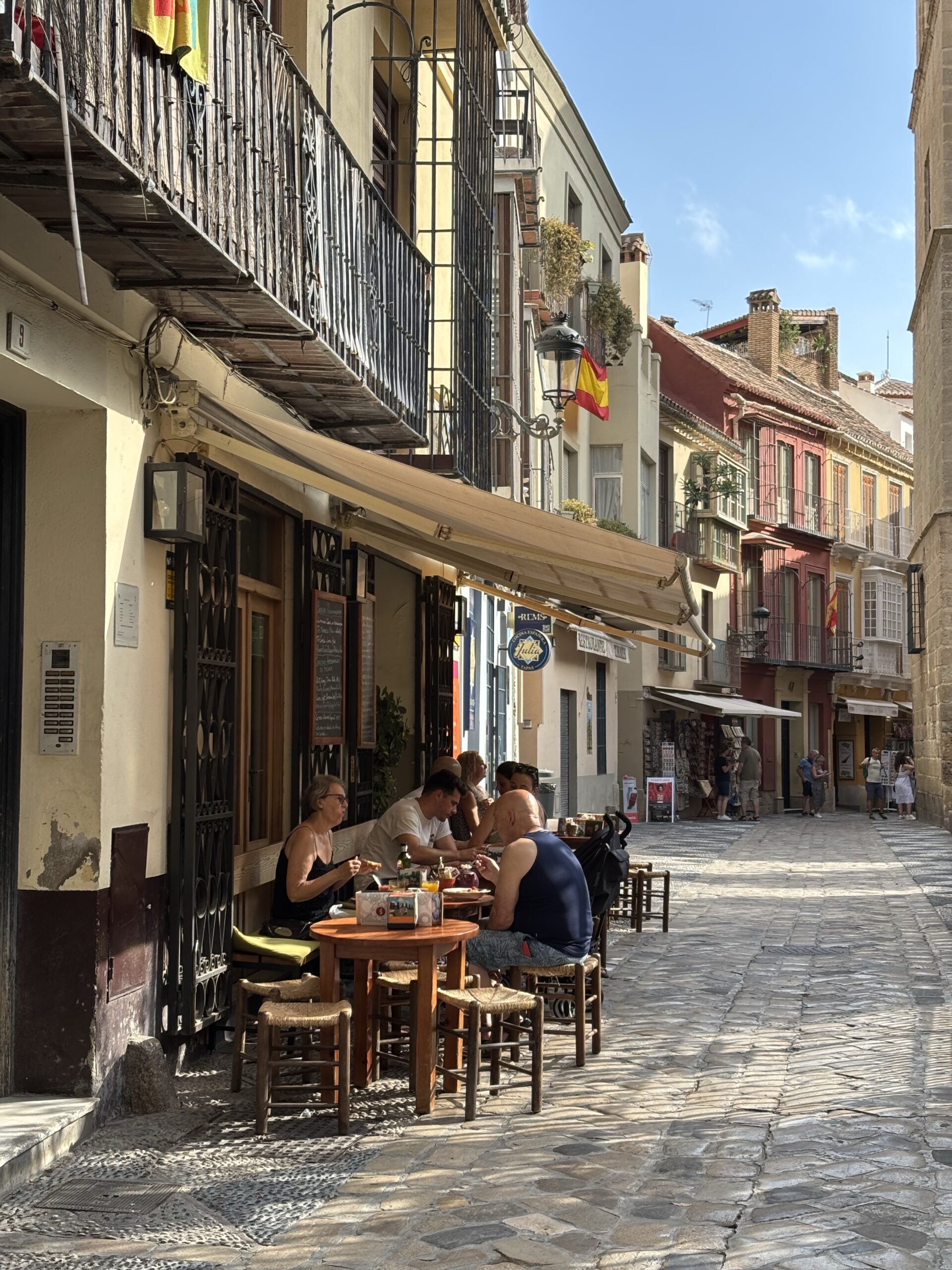
To refuse to share food is, in many ways, to step outside one of humanity’s oldest and most intimate rituals. Across cultures and generations, eating together has never been just about sustenance—it is an agreement to be present with one another, to lower our guard, and to participate in something communal.
There is a subtle vulnerability embedded in the act of sharing a meal. We expose our preferences, our habits, even our rhythms—how quickly we eat, what we savour, what we avoid. To pass a plate, to offer a taste, or to accept something prepared by someone else requires a small but meaningful trust. It is an acknowledgement that we are willing to engage, to be seen in an ordinary, although enormously human moment.
To reject it is not inherently wrong, but it is rarely neutral. It signals a hesitation or a reluctance to step into the small, vulnerable space of the table where it is just us.
At the very least, splitting a bottle is in every sense a bonding tie, an assurance that you are there for one another, that you intend to match one another, that you want to focus, to stay, to lock in. To me, it is the finest act of flattery, “Should we just split the bottle?” I thought you’d never ask.
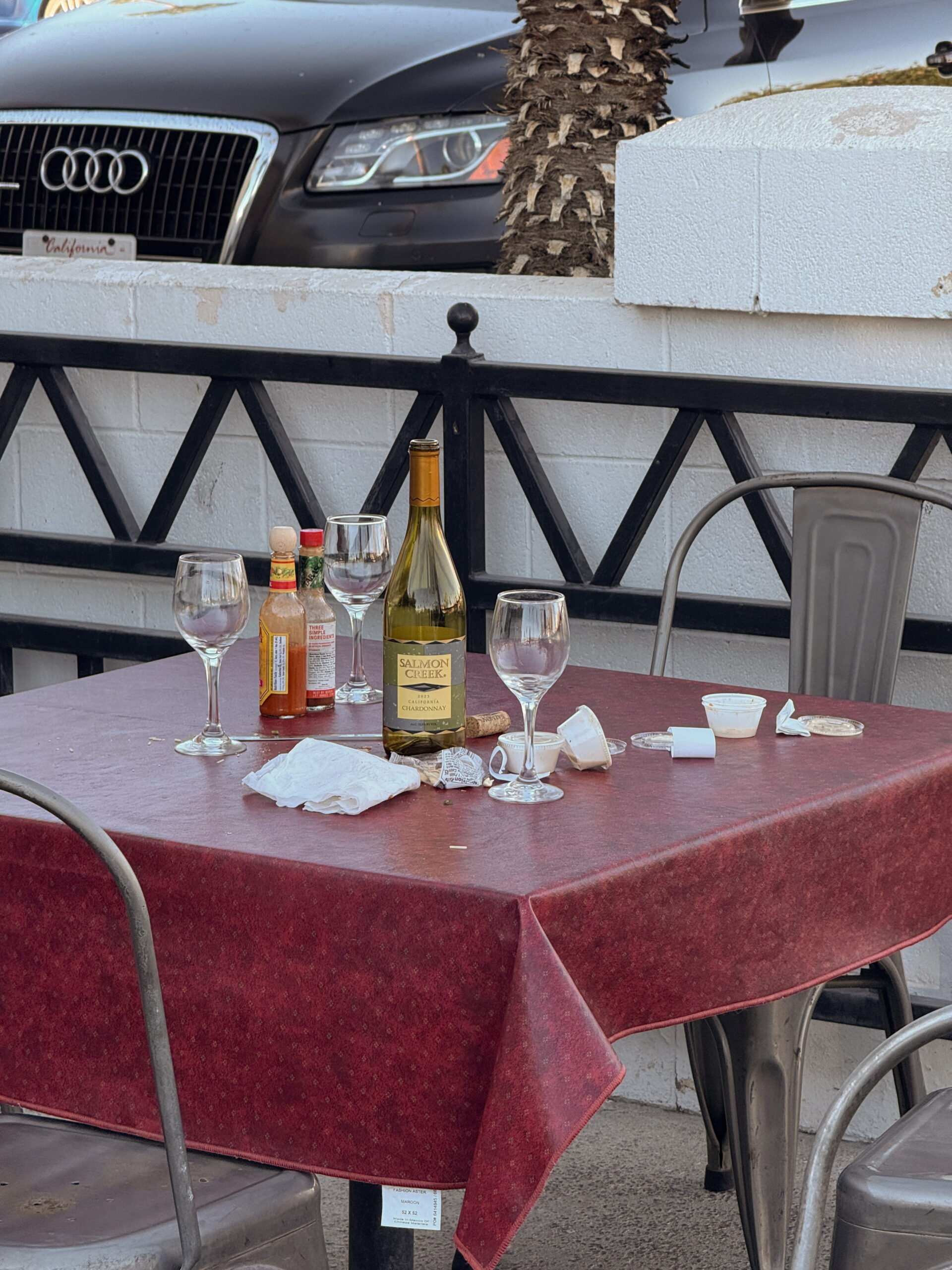
Across cultures and generations, eating together has never been just about sustenance—it is an agreement to be present with one another, to lower our guard, and to participate in something communal.
My favourite restaurants for sharing
If you’re ready to lean into sharing, here’s where I’d start:
Trishna
Sharing Indian food is one of the most cathartic dining experiences. Let’s try it all. At Trishna, it’s all about the à la carte menu for me, and getting as much as the bank will allow. Aloo Tokri Chaat, Nandu Varuval (fried soft shell crab), paneer, stone bass, scallops, and lamb chops (!!!). There’s nothing on the menu I wouldn’t want to try, so why shouldn’t we do our best to hack away at the list?
Where: 15-17 Blandford St, London W1U 3DG
Website: www.trishnalondon.com
The Palomar
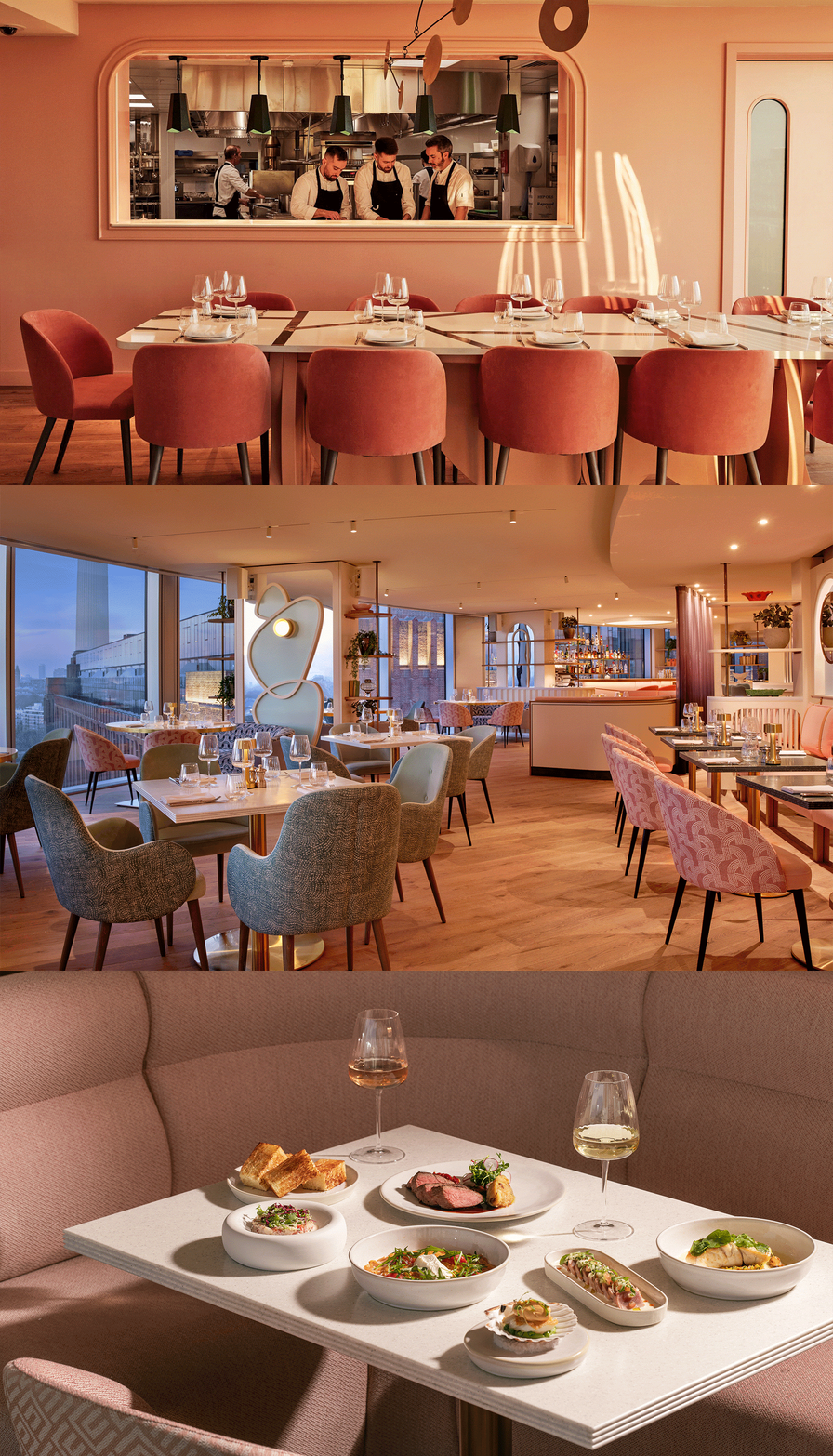
What’s more connecting than sharing plates as you watch them being made right in front of you? Sitting at the counter at The Palomar, looking over onto the grill, onto the plating section, watching your lamb chop rest, breaking bread and sweeping labneh, deciding, very, very seriously, which dish wins gold as you put in work on the cucumber salad. This is peak dining, a garden growing conversation.
Where: 34 Rupert St, London W1D 6DN
Website: www.thepalomar.co.uk
Moro
Moro is unequivocally one of the greatest recommendations for where to share without crossing the threshold into a strictly sharing plate restaurant territory. The smell of the wood-fired oven fills the restaurant and pours onto Exmouth Market. It is the perfect, most clear reading experience in terms of the menu. Bottle of wine, a salad, a vegetable, a bean, a chicken, a fish, and patatas bravas. When it comes to eating at home, Moro is a cookbook I go back to constantly for feeding a crowd. To me, Moro is two spoons on a clean dessert plate.
Where: 34-36 Exmouth Market, London EC1R 4QE
Website: www.moro.co.uk