“For A Fashion Editor, I Buy Very Little – Here’s How I Changed My Shopping Habits”
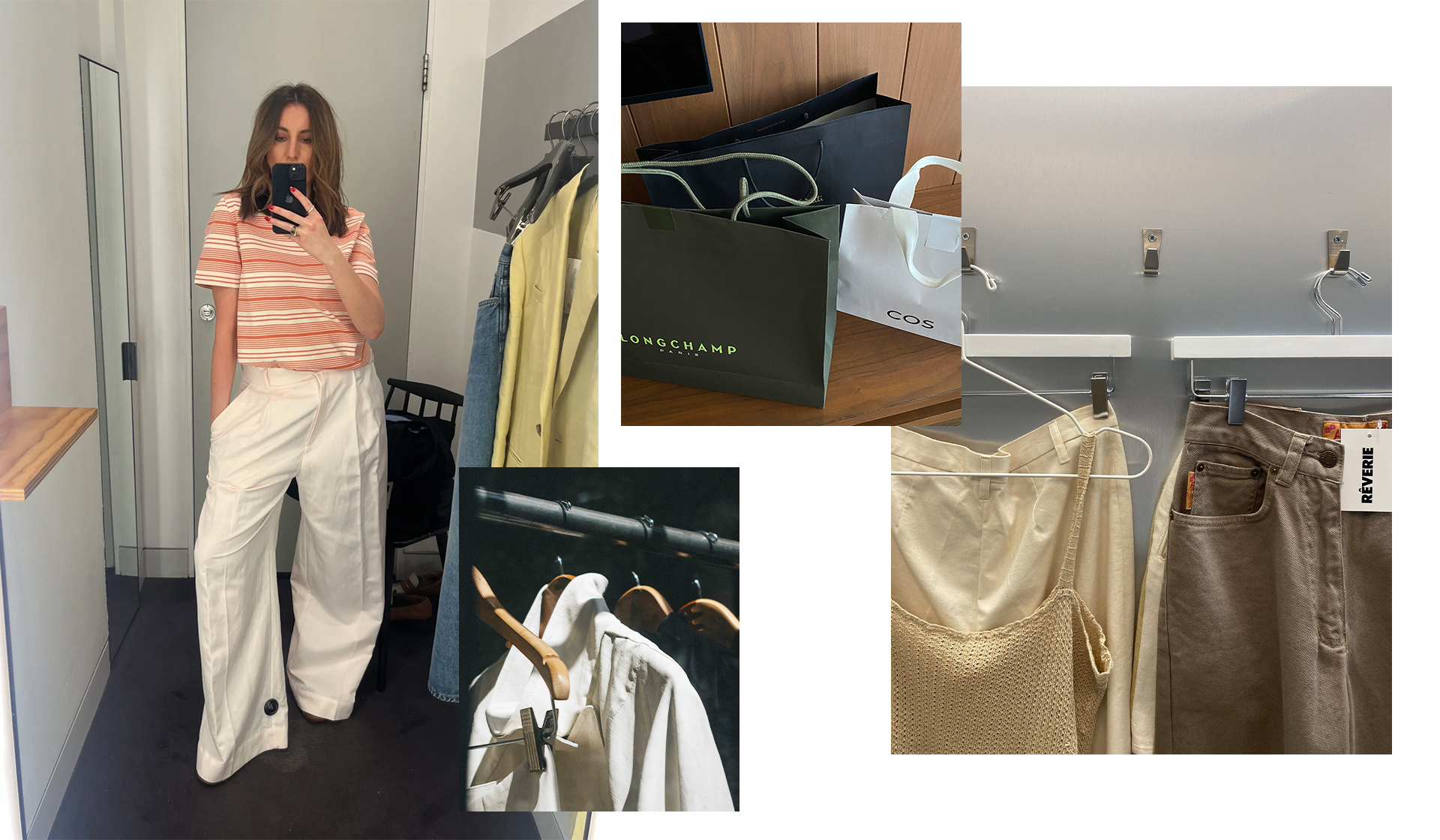
For someone who has made a career out of loving clothes, The Handbook’s Contributing Fashion & Lifestyle Editor, Astrid Carter, actually buys very little. While she admits to over-shopping in her 20s and early 30s, in recent years she has honed the art of shopping less and buying with far more intention. Here, she shares her essential rules for building a wardrobe that lasts.
1. It’s not as simple as “don’t follow the trends”
When you’re interested in fashion and follow people whose style you admire, you’re inevitably going to be bombarded with trend-led content. While I’d never suggest following a trend just because it’s there, if one feels particularly ‘you’, there’s nothing wrong with embracing it.
You don’t have to head to Zara and buy a head-to-toe look to participate. Shop your own wardrobe, thrift, or take inspiration from a small detail and make it your own. Style is more nuanced than trends, and I find there’s often a snobbishness to wanting to dip your toe into one – we don’t all feel comfortable in a Carolyn Bessette-coded minimalist outfit or a rigid capsule wardrobe.
2. Shop your own wardrobe first
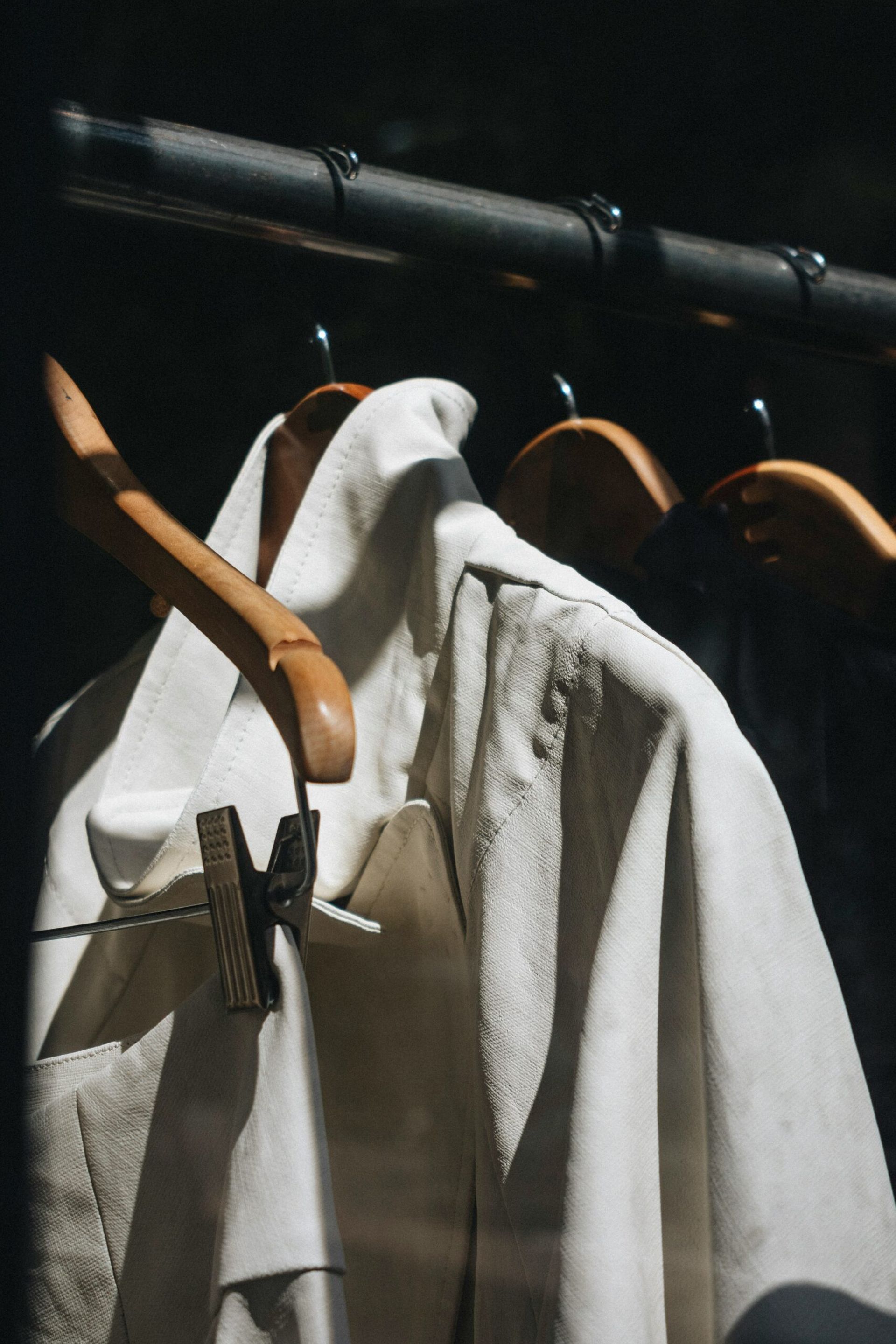
It’s amazing how little we actually utilise our own wardrobes, so use the change of seasons as an excuse for a proper clearout and organise. I recently challenged myself to recreate some Instagram looks that caught my eye without buying a single new thing – you can see it here – and it was surprisingly easy.
You don’t have to match a look piece-for-piece; instead, look at the colour palette, the silhouette, or the fine details. And if you’re holding on to pieces that no longer serve you, try this: every time you wear an item, turn the hanger the opposite way when you put it back. In six months, you’ll see exactly what you actually wear and what’s just taking up space.
You don’t have to match a look piece-for-piece; instead, look at the colour palette, the silhouette, or the fine details.
3. Unfollow those who promote too much
Instagram is great, but there’s a lot of noise, a lot of pressure to shop shop shop and to consume far beyond what you’ll ever need. If an influencer’s content feels too salesy or leaves you feeling dissatisfied with what you own yourself, hit unfollow. The same applies to brand emails. Just because you bought socks from them three years ago doesn’t mean you need a daily invitation to spend more. Unsubscribing can be liberating. I also think we’ve forgotten the art of inspiration from outside sources; Instagram and TikTok have a monopoly on our spending habits. Seek inspiration elsewhere – an old film, a ’70s rockstar, vintage searches on Pinterest, or that woman on the street who looks so chic.
4. Wait it out
I love fashion – I’ve literally made a career out of it – but I recognise that buying something new provides a cheap dopamine hit, much like when my partner’s football team scores a goal. Now, I wait. If I truly need and want something, it can wait. The long-term dopamine hit of wearing a cherished piece for years to come delivers tenfold.
5. Think about cost-per-wear… but with context
Cost per wear is a great tool, but it’s often tainted by the idea that investment pieces must be expensive. They don’t. As long as you’re wearing them regularly, a sale find or a charity shop gem is just as valuable. Context matters, too. I bought a dress last summer for a wedding, but I made sure it was versatile. I’ve since worn it to two more weddings, a summer dinner, and taken it on holiday. It might not be as useful as a white shirt, but it is serving its purpose perfectly.
6. Stop making outfit repeats shameful
Whoever decided it was uncool to be an outfit repeater was wrong. There is something incredibly chic about having the confidence to wear the pieces you love over and over again.
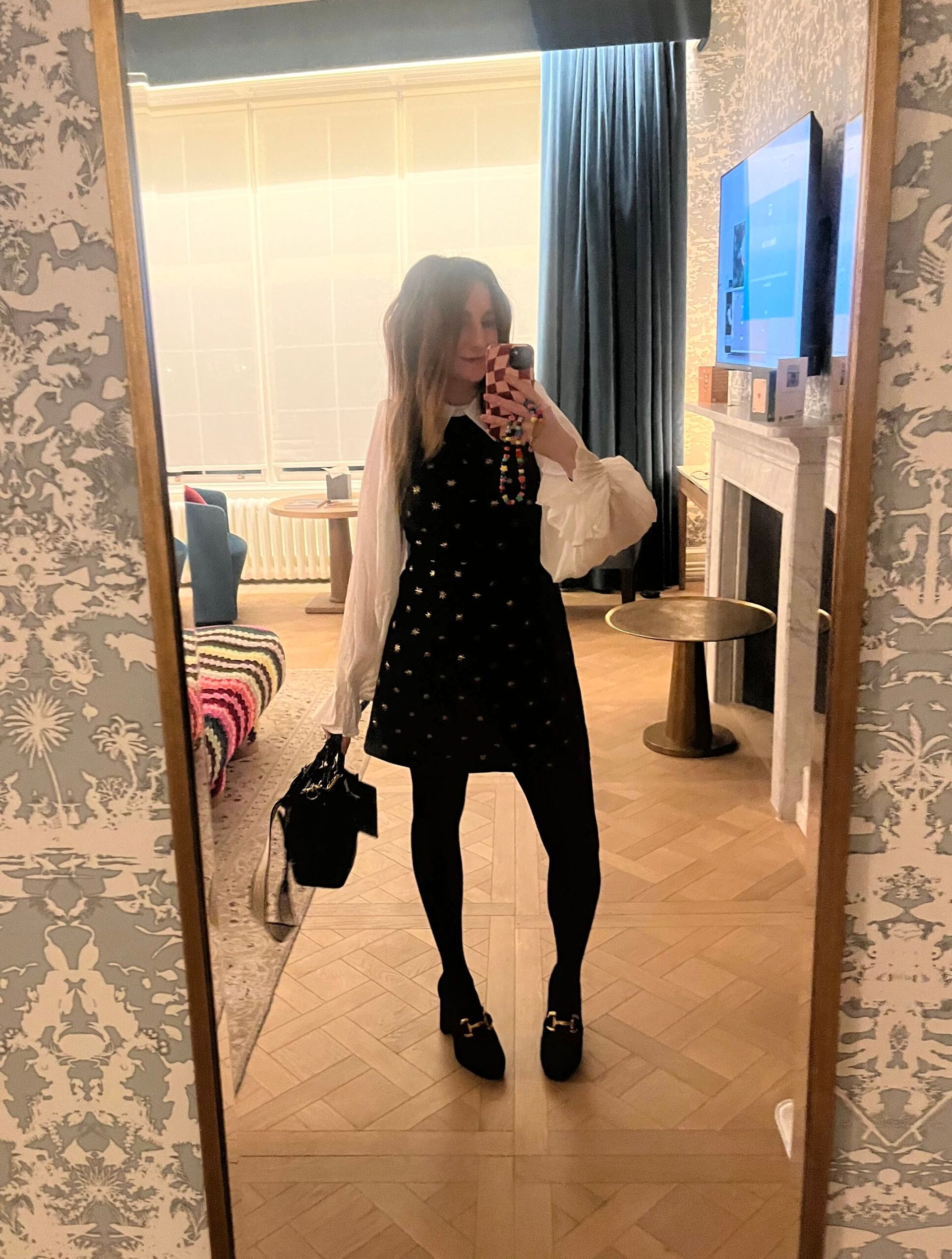
There is something incredibly chic about having the confidence to wear the pieces you love over and over again.
7. Not everything has to be designer, but everything has to last
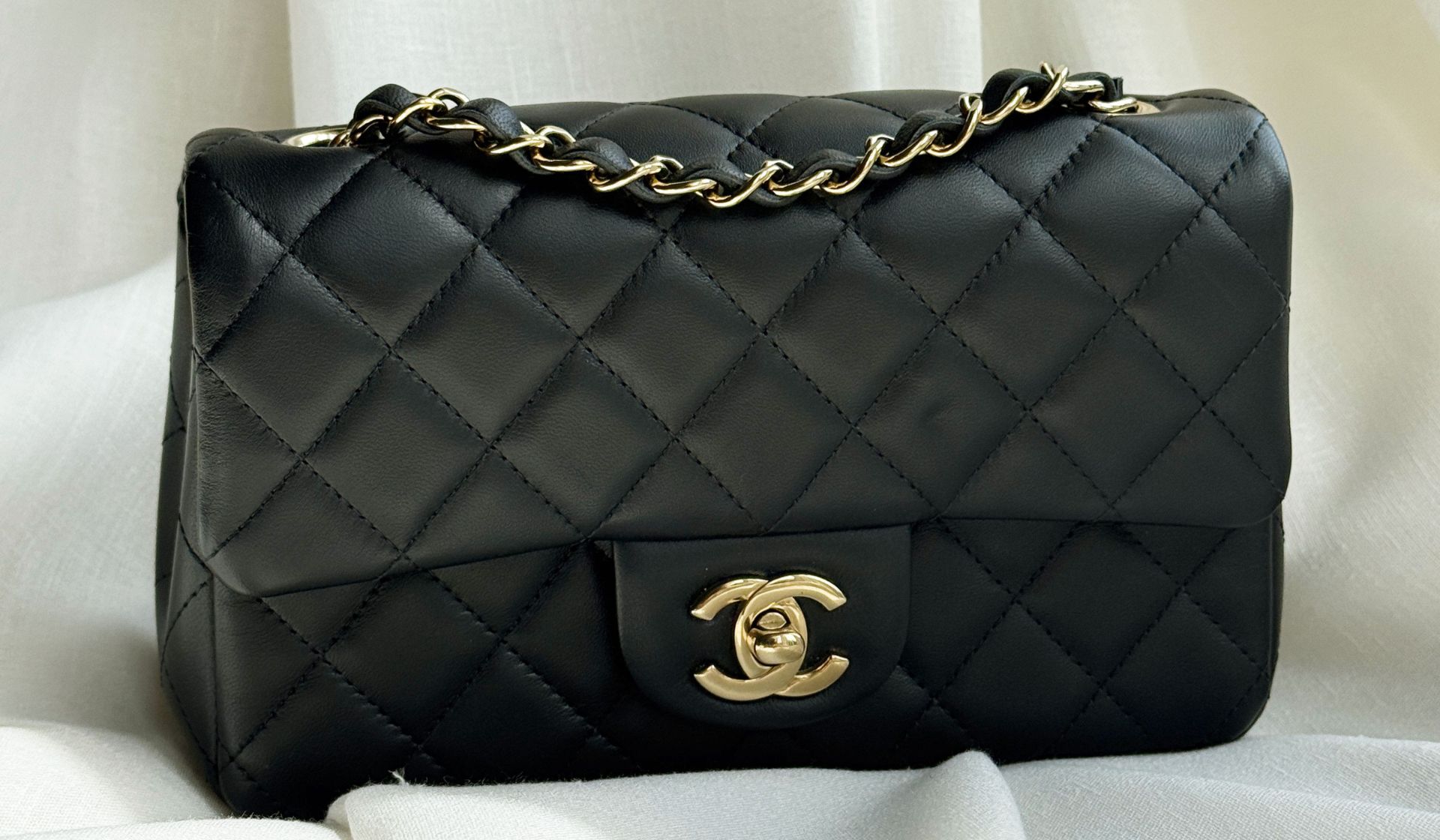
Rather than focusing on price points, focus on quality. There are brilliant mid-range and sustainable brands that I personally think offer more realistic ways to dress than the big designer brands (that very few can afford anyway), with ideas that align with mine, too.
8. Ignore the seasons
The concept of a strictly winter or summer wardrobe doesn’t work – especially in the UK. Certainly, if you live in Glasgow as I do, a winter coat is often a summer staple! To get the most out of my year-round wardrobe, I try to work my summer pieces into my winter layering (and vice versa).
I recently bought a white cotton Ganni peplum top in the January sales. While its frilled sleeves scream “summer,” I’ve been wearing it on repeat, layered over a leopard print base layer and under a suede jacket. My cost per wear is already paying off.
Look to fill the gaps in your wardrobe, not create even bigger ones.
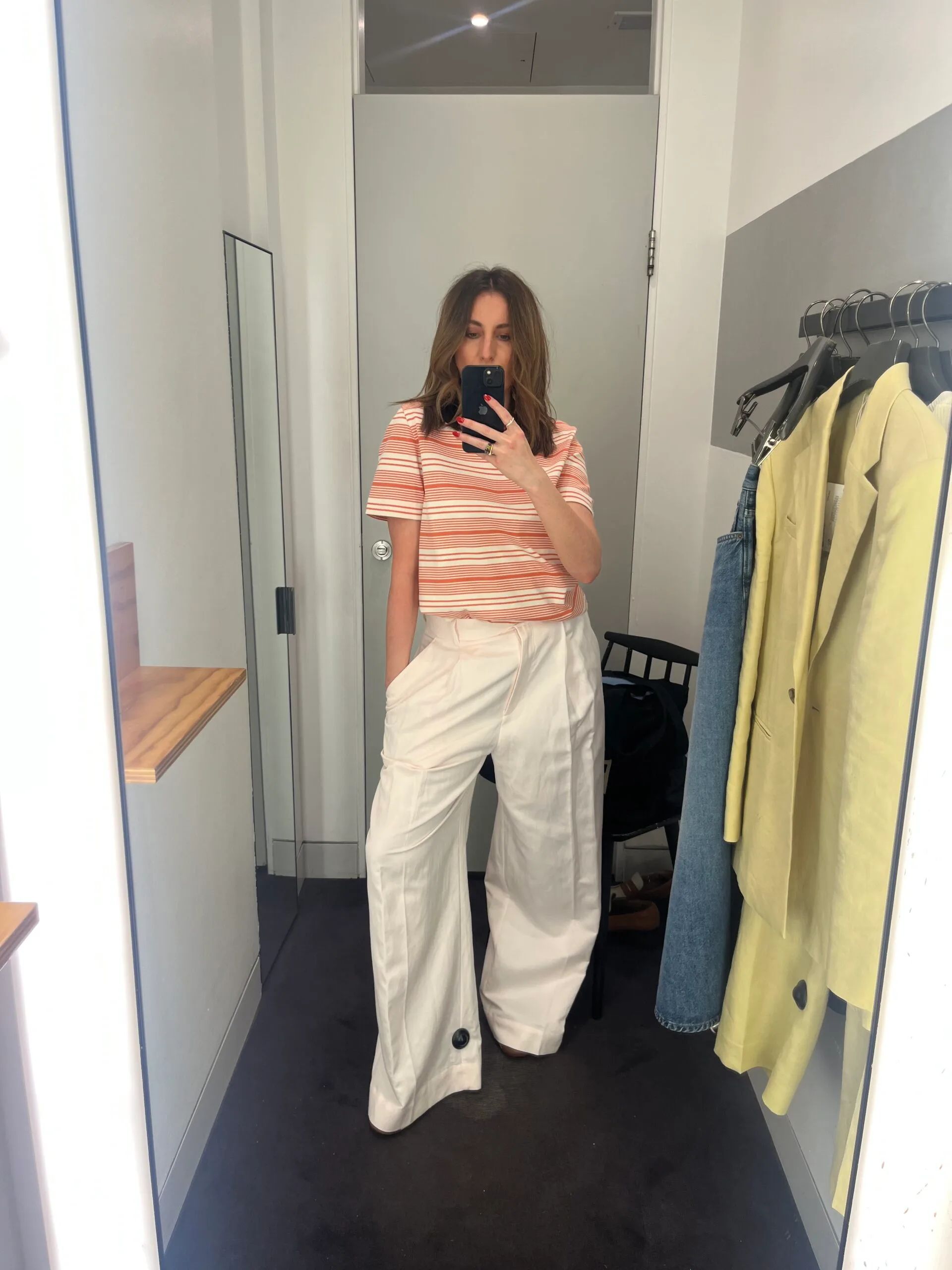
9. The rule of three
Before buying anything new, I try to think of at least three ways I can style it with what I already own. Look to fill the gaps in your wardrobe, not create even bigger ones.
10. Forget the one-in, one-out rule
I’ve never believed in the one-in, one-out rule. I think it’s a concept designed to keep you in a cycle of constant shopping. You don’t need to keep your wardrobe to a specific number; you just need to make sure you’re utilising what you have. Substituting one piece for another often just encourages more unnecessary turnover.
11. Look after your clothes, but love them too
Look after your clothes – store them properly, follow the care instructions, and get them tailored or repaired. But above all, love wearing them. I’m really not a ‘save-it-for-best’ kind of person. Wear the crazy frock on a Monday morning just because it makes you happy.
12. Just because you bought it on Vinted doesn’t mean it’s sustainable
I have a love-hate relationship with Vinted and apps of the same ilk. They can be fantastic for finding the one that got away and avoiding buying new straight away, but they have also made people careless. People buy fast fashion knowing they can just “pop it on Vinted” after one wear, checking their sustainability box for the day. It doesn’t work like that. We still need to be intentional about what we bring into our wardrobes in the first place.
13. Dig deep into why you’re buying so much
Are you actually just bored? Is that why you’re buying a sixth white frilly blouse when you already own five? Before you hit checkout, ask yourself whether you’re buying because of a mood or a genuine love or need for the item. If it’s anything other than something you need, or you have fallen totally in love with it and will wear it for years to come, you can definitely let that one go.