The One Thing Ruining London’s Small Plates Restaurants

Perhaps it might be typical that a young woman in London adores a small plates restaurant, but I do. Maybe it’s the principle of preferring appetisers to mains, because they invite more discussion, more collaboration at the table, more creativity and variety.
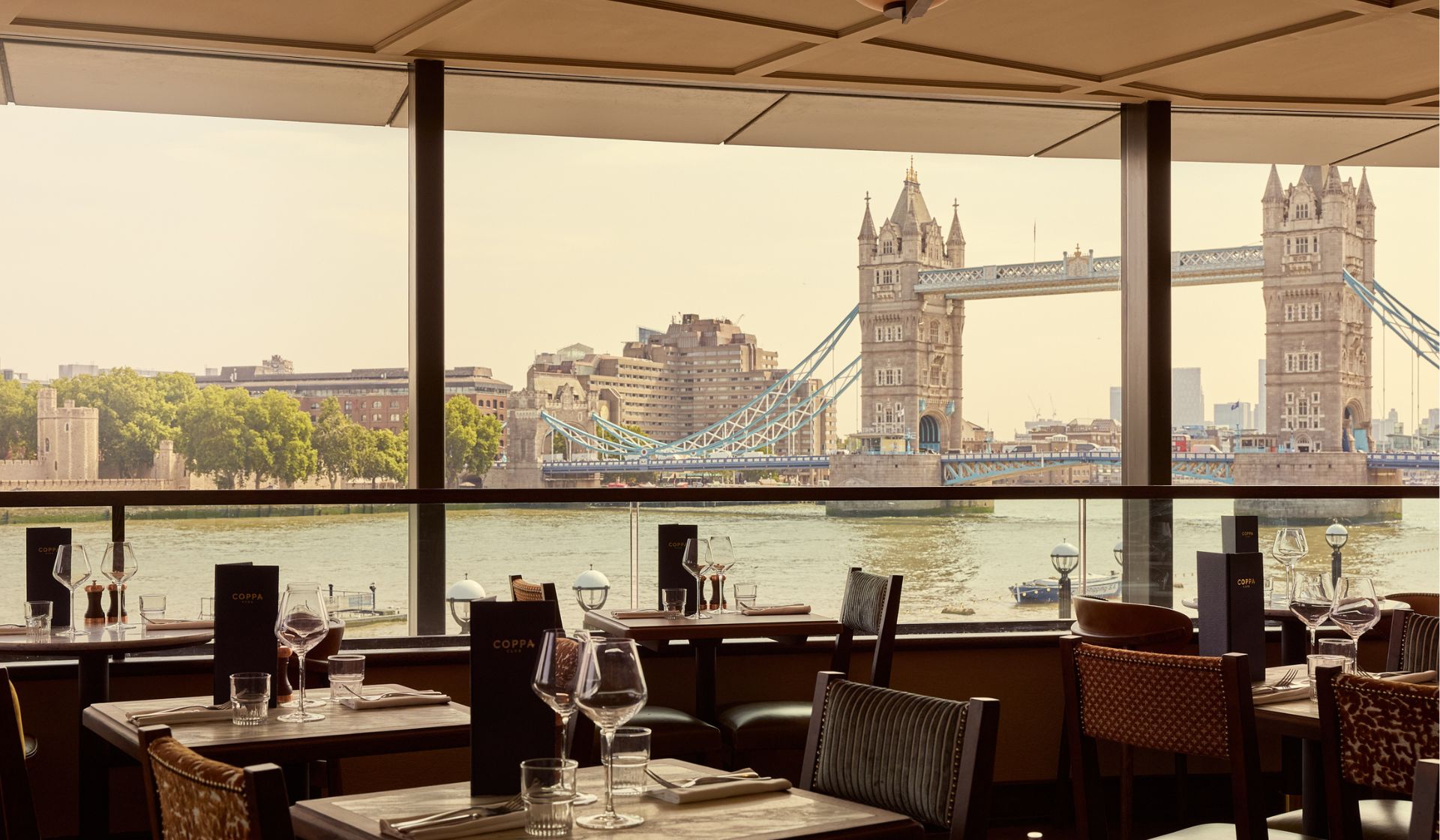
The reality is, I do usually just want a bite of everything, rather than a full-on steak to myself. But there is one thing that irks me about the small plates system, one thing that truly grinds my gears, a thing that is so illogical, so ultimately unwise that far too many small plates restaurants do — an unfit, too small, usually circular table.
A small plate should not carry the weight of a bomb being dropped on dinner; all restaurants should absolutely consider real estate when it comes to table space.
Mallory, Junior Food & Drink Editor

The hot take


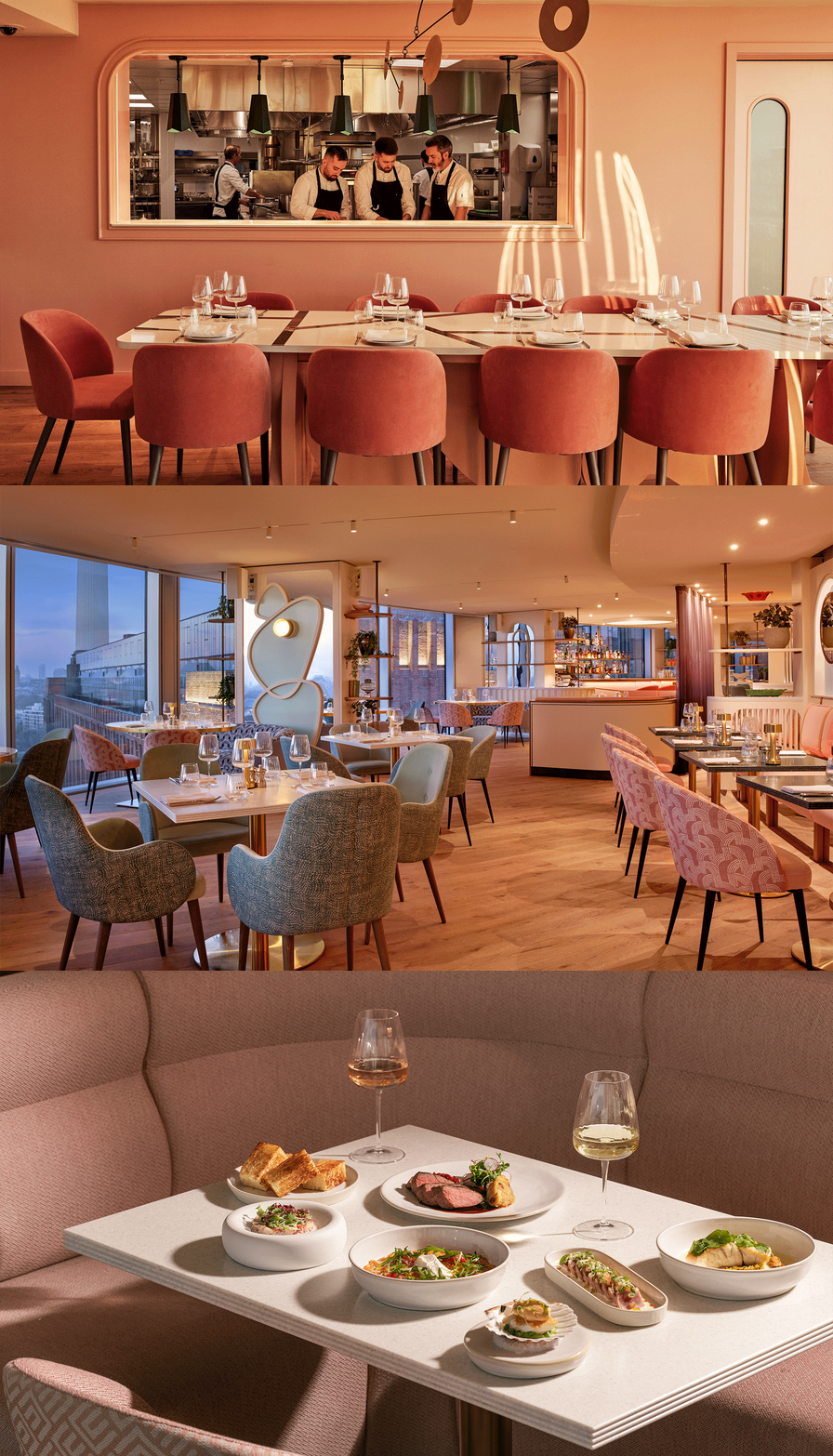
Small plates must be served on bigger tables. It’s what really upsets me about the small plate execution, because in theory, a small plates restaurant should result in a 3, 4, 5-hour lunch filled with extra orders and “one more round”, but there are so many times that the first wave of little saucers comes and the claustrophobia sets in. I feel pushed out, helping servers juggle dishes and moving glasses and half-eaten plates, playing Jenga with silverware so that the bloody artichokes can find a seat.
If you are going to “recommend seven from the mains section,” you’d best have enough space to fit those seven.
It’s blasphemous, seriously, although I understand the mistake. “If they are small plates, surely they will fit on a smaller table. Smaller tables equal more tables. More tables equals more covers. More covers, more plates, more tables equal more money.” I get the logic, I really do, but it’s gotten out of hand. At the very least, if not a bigger table, then a far better strategy should be implemented so that nobody is panicking at the entrance of a dish-wielding runner.
Not only does it feel like a tear-inducing game of musical chairs when a new dish comes to the table, but each plate also feels as though it needs to be eaten with urgency. There’s little room to drift between dishes; instead, you race to finish one before the next lands, offering up an empty plate to the server in exchange for another that immediately fills its place on the far edge of the table.
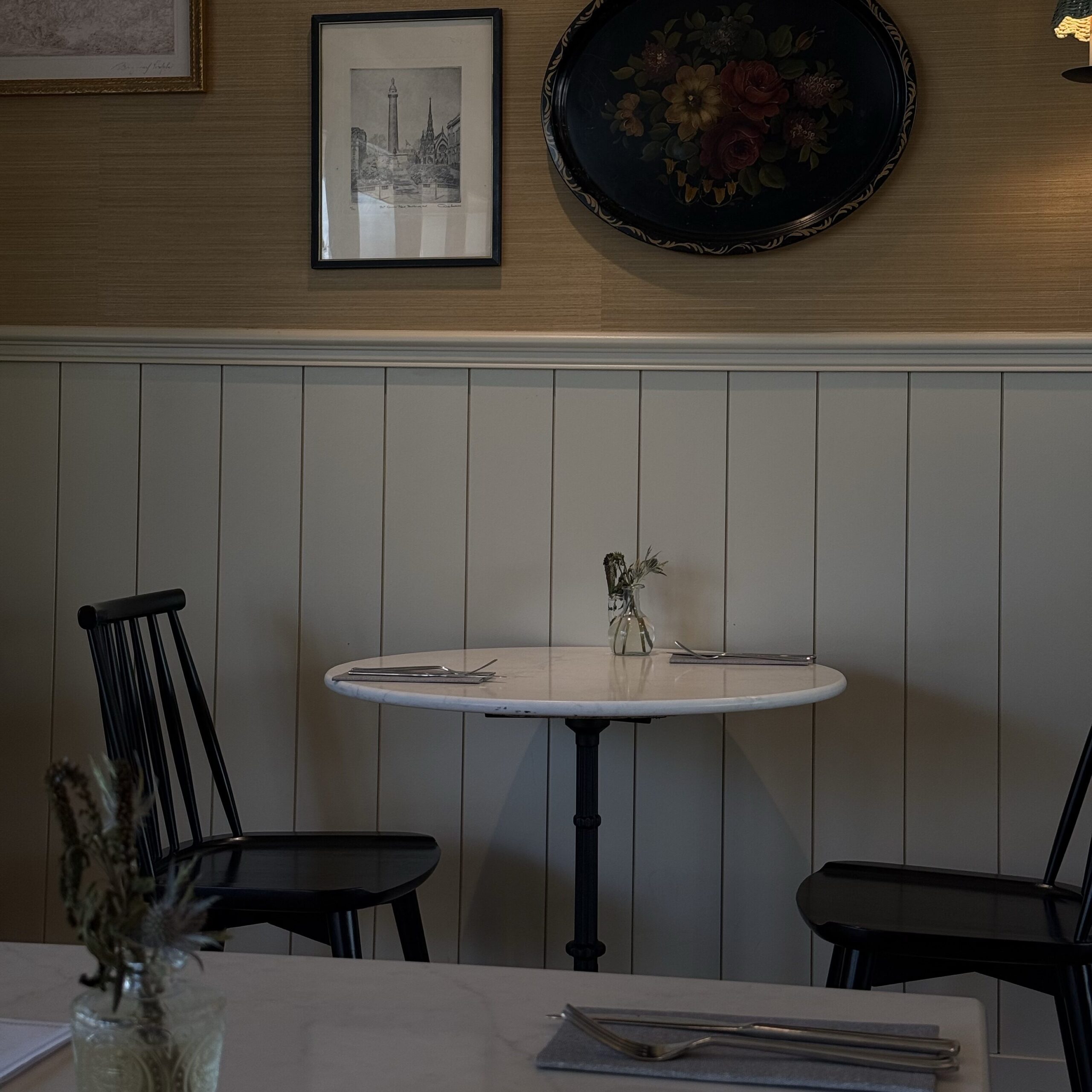
The small table has robbed us of the luxury of picking at our plates, robbed us of taking our time, of lingering, of getting a bit pissed over Padron peppers and potstickers without feeling like crossing my leg over my knee might send the two top flying.
The reality is, unless a restaurant is among the best — a culinary 5 stars — I probably won’t be returning if the table scaping physically pushes me out the door
Perhaps it is picky, and I understand that I am the first person to want to leave a place if I am physically uncomfortable, but I am not the first to point out such qualms. There have been many instances where I’m with a friend, on a date, or out for work, and my partner in dining passively says: This table is far too small.
The verdict

The reality is, unless a restaurant is among the best — a culinary 5 stars — I probably won’t be returning if the table scaping physically pushes me out the door and everyone, including the staff, went into an overwhelmed overdrive at the sight of a couple florets of cauliflower in the kitchen’s smallest bowl.
A small plate should not carry the weight of a bomb being dropped on dinner; all restaurants should absolutely consider real estate when it comes to table space. Further, if you are going to “recommend seven from the mains section,” you’d best have enough space to fit those seven on top of sharing plates, on top of cutlery, on top of drinks, water and candles. I rest my case… on a table with enough space to hold it.