The Indian Variant: Should I Be Freaking Out?
Happy reopening day… but enjoy it while you can? Today’s brilliant news seems to be tempered with troubling possibilities. Broadly the covid news just keeps getting better in the UK. We’re lucky enough to be injecting people in their 30s (over 35s this week!), and 75% of the adult public have now got antibodies through either vaccines or the virus itself, putting us on track for that much fabled ‘herd immunity’. But the race is far from over and there are ever-present threats that could derail plans for our return to normality. Like the Indian Variant.
Covid-19 naturally mutates. Especially when there’s a lot of it around. Most of these mutations are inconsequential, but some will make the virus more infectious, more deadly or more able to evade the protection given by vaccines. These are dubbed ‘variants for concern’. Our unlocking hinges on these variants not spreading beyond control when they inevitably wash up on our shores. And right now Boris and his boffins are ‘very anxious’ about B.1.617.2, the Indian Variant.
So, should we be freaking out? Probably not…
Let’s caveat this with the advice that I’m a journalist, not an epidemiologist (though, to some extent, we’ve all become amateur infectious diseases experts over the last 15 months). Also I recently re-read our very first ‘Everything You Need To Know About Coronavirus’ article from mid February 2020, and it comes with the sage advice
‘The good news is that, according to the Chinese, the worst is over. President Xi Jinping got on the phone to Boris yesterday to say that crisis was under control, citing falling numbers of new infects.’
Cheers for that advice Xi. So having told you all not to worry, maybe take that advice with a pinch of salt when I repeat it again after multiple lockdowns and a year of complete tumult…
The new Indian variant (because it was first detected in India rather than it necessarily originating there) joins the Brazilian variant, the South African variant and the Kent variant as one of the key new variants concern, and the evidence seems to suggest that it’s more infectious than the dominant variant here at present (the Kent variant).
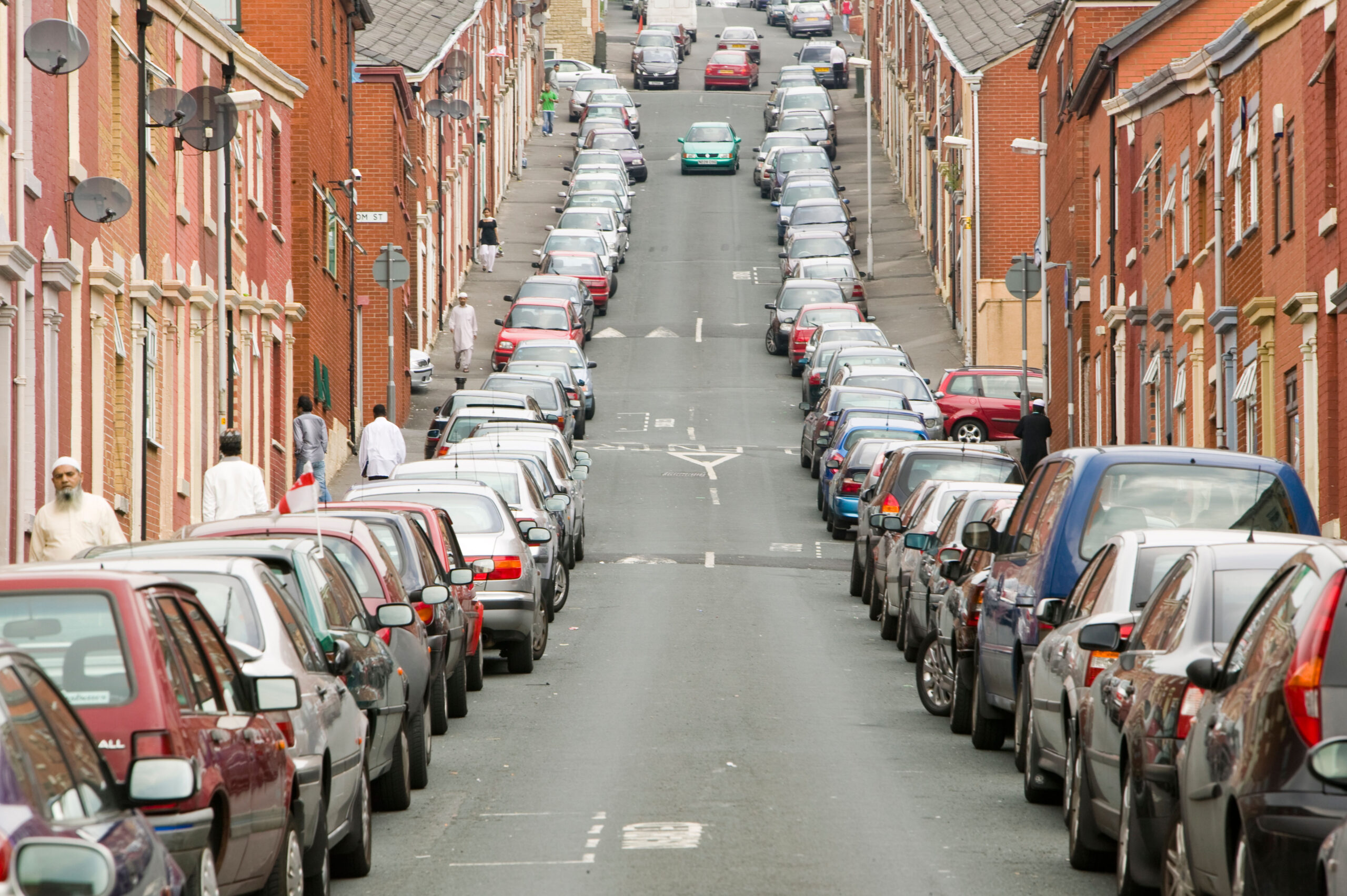
Last week it emerged that the Indian variant has become dominant in the Bolton and Blackburn areas of Lancashire. Passed within multigenerational households within densely populated parts of the industrial towns, infections have doubled within a week, with 1,313 cases confirmed in Bolton as of Thursday 13th May.
Infections doubled between 1,313 cases confirmed as of Thursday 13th May…
It’s highly likely that, as in India, this variant will quickly spread and become the new leading variant here in the UK. And with England on the cusp of a further level of unlockdowning, the big concern is that the spread of the virus, particularly one that’s significantly more transmissible, could derail the government’s plans to return to normality.

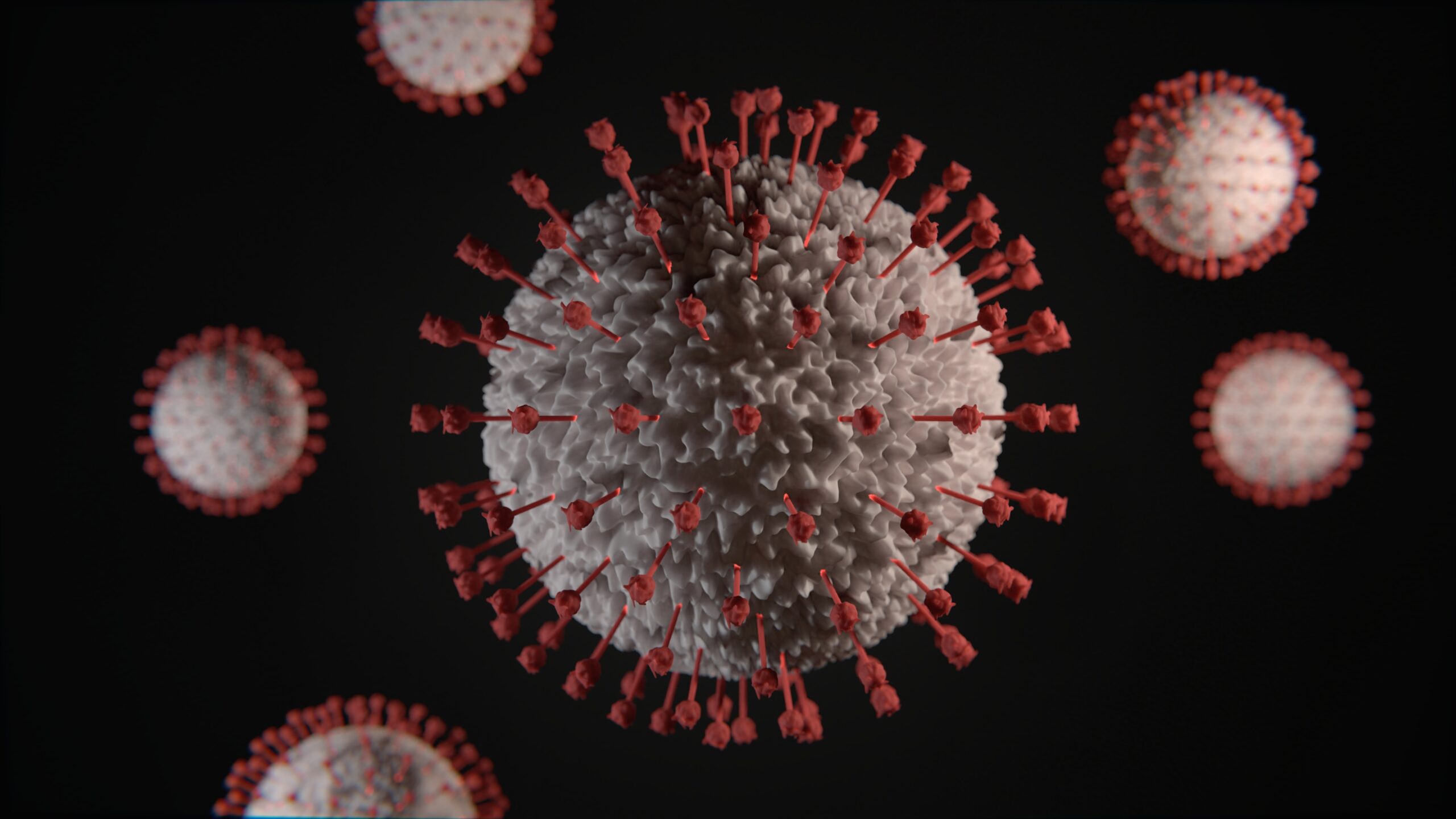
Is the variant more deadly? Not as such, it doesn’t appear to be any more likely to kill in itself. However, transmissibility alone will make it cause far more damage, because although the death rate will remain constant, it’ll infect more people, some of which will end up in hospital and worse.
And does the vaccine work against it? Because, at the end of the day, this is the most important factor. And the good news seems to be yes! Health workers in India were vaccinated early and among this group there have been very few hospitalisations or deaths. The same seems to be borne out in Bolton and Blackburn, with those over 60 largely unaffected, with only the most frail vaccinatees being hospitalised
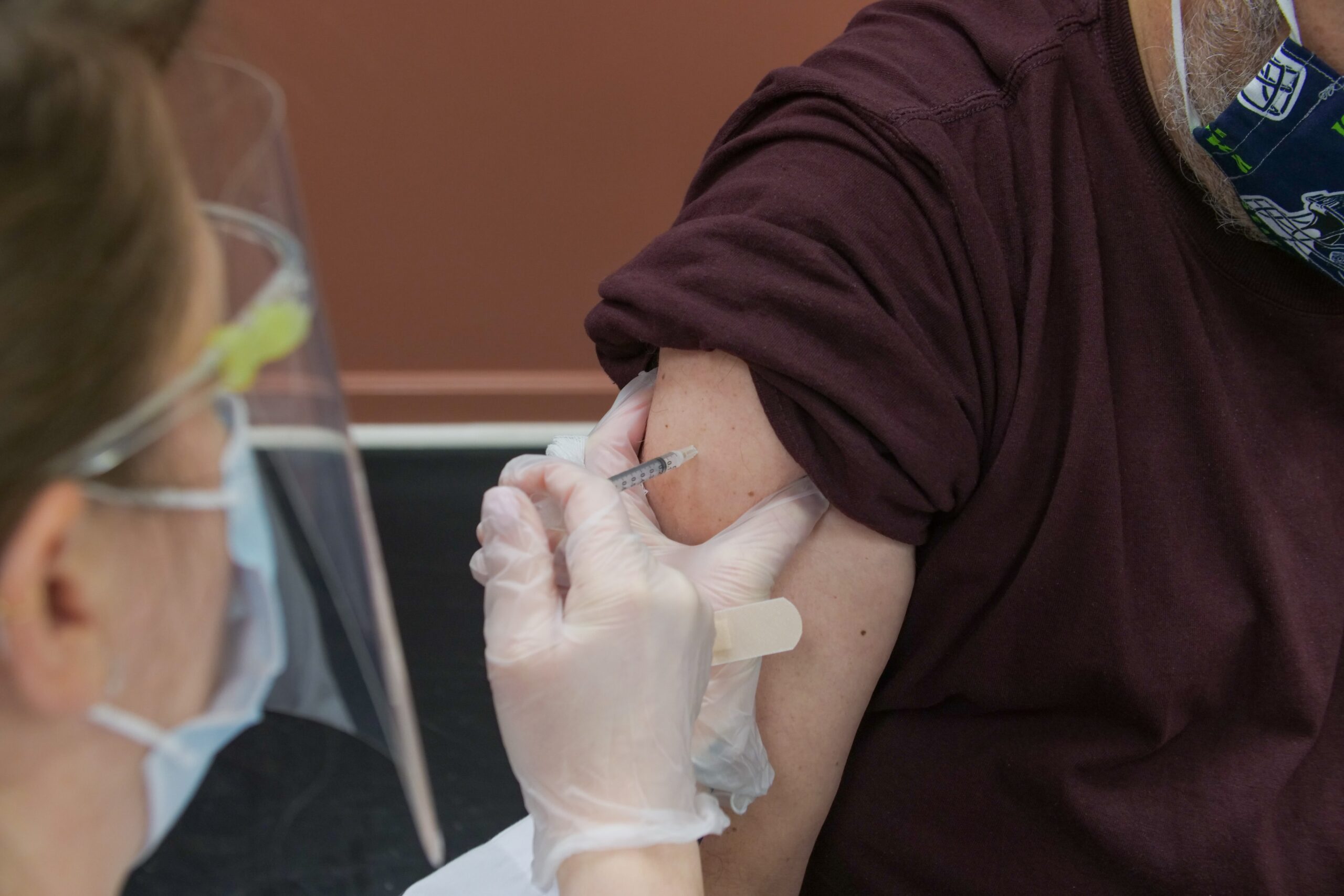
The government is now acting fast to contain the spread of the variant. It’s the first real test of what will likely become a familiar pattern over the next few months, if not years. They are swarming the area with mobile testing units to identify who has the virus. But they are also dropping the age requirements around vaccinations, and injecting everyone over 18 in the town. This mass jabbing is seen as key in stopping the variant in its tracks.
And there’s something we can all do, when the time comes, to help stop the Indian Variant, the South African or Brazilian variants or whatever variants hit us next from taking hold, and that’s to get the vaccine as soon as it’s made available.
The age brackets eligible for the vaccines will continue to tumble to the point where it’s pretty much universally available within weeks. The US has experienced issues getting younger people to take the jab. Of course over there the political discourse and widespread belief in conspiracy theories is completely insane, which are no doubt factors in vaccine hesitancy, but such slow uptake here could be a real setback to returning to normality.
So should we be freaking out? No, this will quickly become a normal part of the process of living with covid. Expect dozens of flare-ups, local lockdowns, surge testing and so on. Even prepare to be re-jabbed as we tweak the vaccines to keep up with variants. This is the new normal, and it’s a small price to pay for our freedoms…