Do We Actually Enjoy Watching TV Anymore, Or Just Talking About It?
Be honest: how many times have you started watching a TV show because everyone else is talking about it, rather than for the show itself? Getting into a TV series for the first time because of a sense of FOMO is nothing new, but these days it feels like watching TV is becoming an increasingly social, overly online and often exhausting affair.
With every moment and character decision analysed and often endless think pieces and viral tweets about a show’s meaning, it can feel like we watch stuff because we want to participate in the discourse surrounding it, rather than just because we enjoy it.
Television has become (even more of) a spectator sport

One of the biggest changes in modern television consumption is the way audiences experience shows collectively, even when they are watching alone. Social media platforms have transformed individual viewing into a shared event, where every plot twist, controversial character and unexpected ending can generate thousands of reactions within minutes. There’s that feeling of a real need to keep your finger on the pulse of what everyone else thinks, even if you’re not always super invested in the show itself- which seems odd when you stop to think about it.
Social media platforms have transformed individual viewing into a shared event, where every plot twist, controversial character and unexpected ending can generate thousands of reactions within minutes.
Rufus, Contributing Entertainment Writer

Take a particularly divisive television finale. Rather than simply deciding for themselves whether it worked, we can now spend hours watching video essays, or reading fan theories and debating the writers’ intentions. The episode becomes the starting point for a much larger cultural conversation, with the audience effectively creating a second piece of entertainment stemming from the first. It means the chatter around it often keeps on going for longer than perhaps is necessary. Game of Thrones was always going to attract a huge amount of attention for its finale back in 2019, but the conversation around its tepidly received ending seemed to drag on for months.
There is nothing inherently wrong with this. Discussing television has always been part of its appeal, and since it’s traditionally watched in the living room, it’s a lot more acceptable to talk about with others in the room than in a cinema or the theatre. The idea of FOMO for TV has always arguably been stronger than for films too, absent a big cultural moment like Barbenheimer, since TV shows can last years and new episodes come week in, week out.
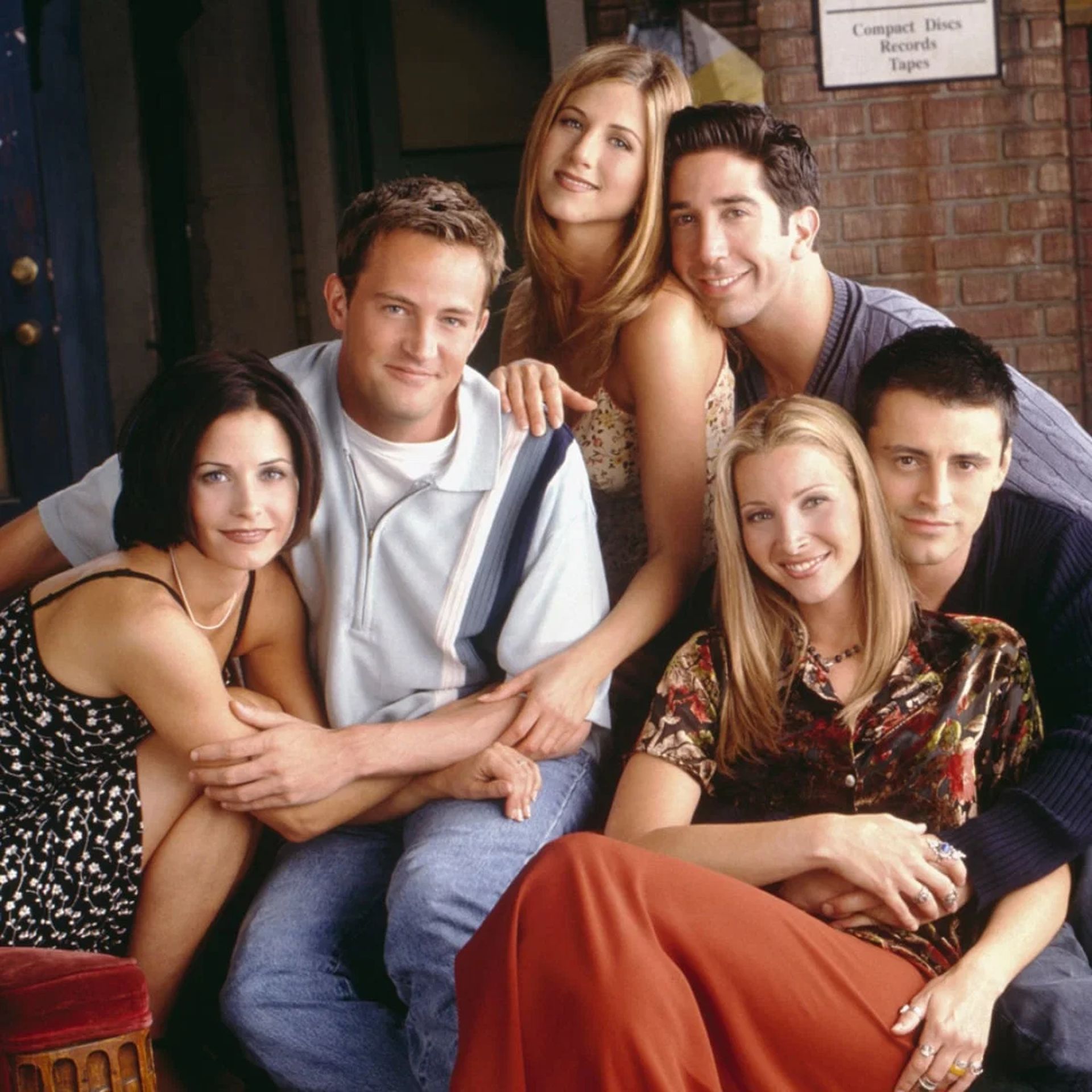
You were pretty likely to have started watching Friends in the 90s or Big Brother in the 2000s because others couldn’t stop talking about it, but the conversation didn’t seem so ever present and almost stifling. The old-fashioned phrase “water-cooler television” has now been superseded by a much longer-lasting discussion.
Television can begin to feel like homework. Instead of watching at our own pace, we rush through episodes because we want to participate in the conversation while it is still happening.
The pressure to keep up
Streaming platforms have also contributed to this phenomenon. With major shows frequently released in their entirety, audiences are encouraged to binge-watch as quickly as possible to avoid spoilers. Nobody wants to open Instagram only to discover that a major character has been killed off, or find out the identity of a reality show’s winner before watching the finale.
Consequently, television can begin to feel like homework. Instead of watching at our own pace, we rush through episodes because we want to participate in the conversation while it is still happening. The fear of being left out becomes almost as powerful as the desire to find out what happens next. I experienced a form of this with Better Call Saul, which, though it followed a weekly format, I binged through the last couple of seasons to catch up for the final episodes, so I didn’t miss out on the finale as it released and see spoilers- and because I knew friends of mine would be talking about it. I even looked up old discussion threads from those episodes to see how people reacted at the time, all for that social pull of chatter even if I wasn’t actively participating.
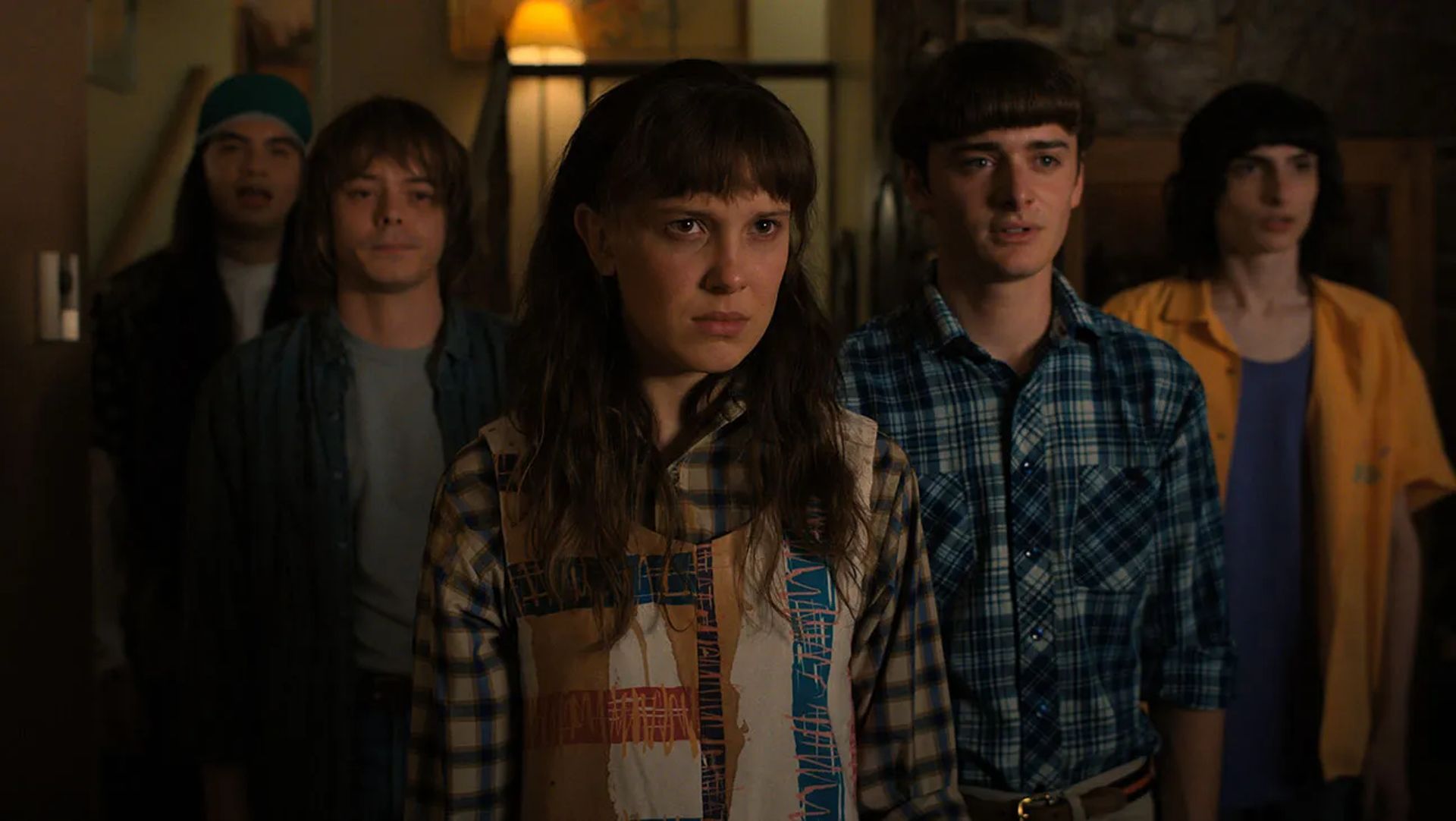
Sometimes even the memes, jokes and references that permeate social media can create a pull to watch something, or a particular viral moment. How many people started watching, or got back into watching, Stranger Things because of the Running Up That Hill sequence in Season 4? And, of course, there’s incentive now for streamers to steer their shows into feeding into the discourse. It’s been a creeping criticism that both TV and films are susceptible to overly forced “look at me” moments that the studios behind them hope will become viral or meme material. Obviously, TV and all art in general exist to provoke some kind of reaction, but nowadays it seems aimed at the collective internet rather than the individual, with their own thoughts and feelings.
When outrage becomes entertainment
This brings us to the idea of outrage discourse, another cornerstone of the social media age- perhaps the defining one. Again, viewer outrage has always existed in the realm of television (you can look up plenty of Ofcom complaints for shows in years past, including plenty that look pretty tame by today’s standards). Those old enough to remember (though actually I’m not one) may recall that a shocking and grisly death during the first series of Spooks generated a huge amount of controversy for BBC One in its day. But now it’s been pushed to the max by our endless TikTok, X and Reddit discourse, where “hate watchers” seem to be more committed to a show than to those who enthusiastically admire it.
A controversial character, an unpopular plot twist or a supposedly disappointing finale can dominate online discussion far more effectively than a perfectly competent episode. Viewers are encouraged to take sides, defend their favourite characters and criticise the creative decisions they dislike. Everyone else gets suckered in, sometimes by the sheer volume of posts and tweets that crop up on our feeds. The outrage can sometimes seem like a performance: something controversial or morally objectionable happens, so social media posts are made about it, and then think pieces in more traditional media are written, and then actors and writers of the shows are asked about it, which then provokes new reactions and- you get my point. It becomes an all-encompassing circus of chatter, far longer than the 50-odd-minute episode.
Viewers are encouraged to take sides, defend their favourite characters and criticise the creative decisions they dislike.
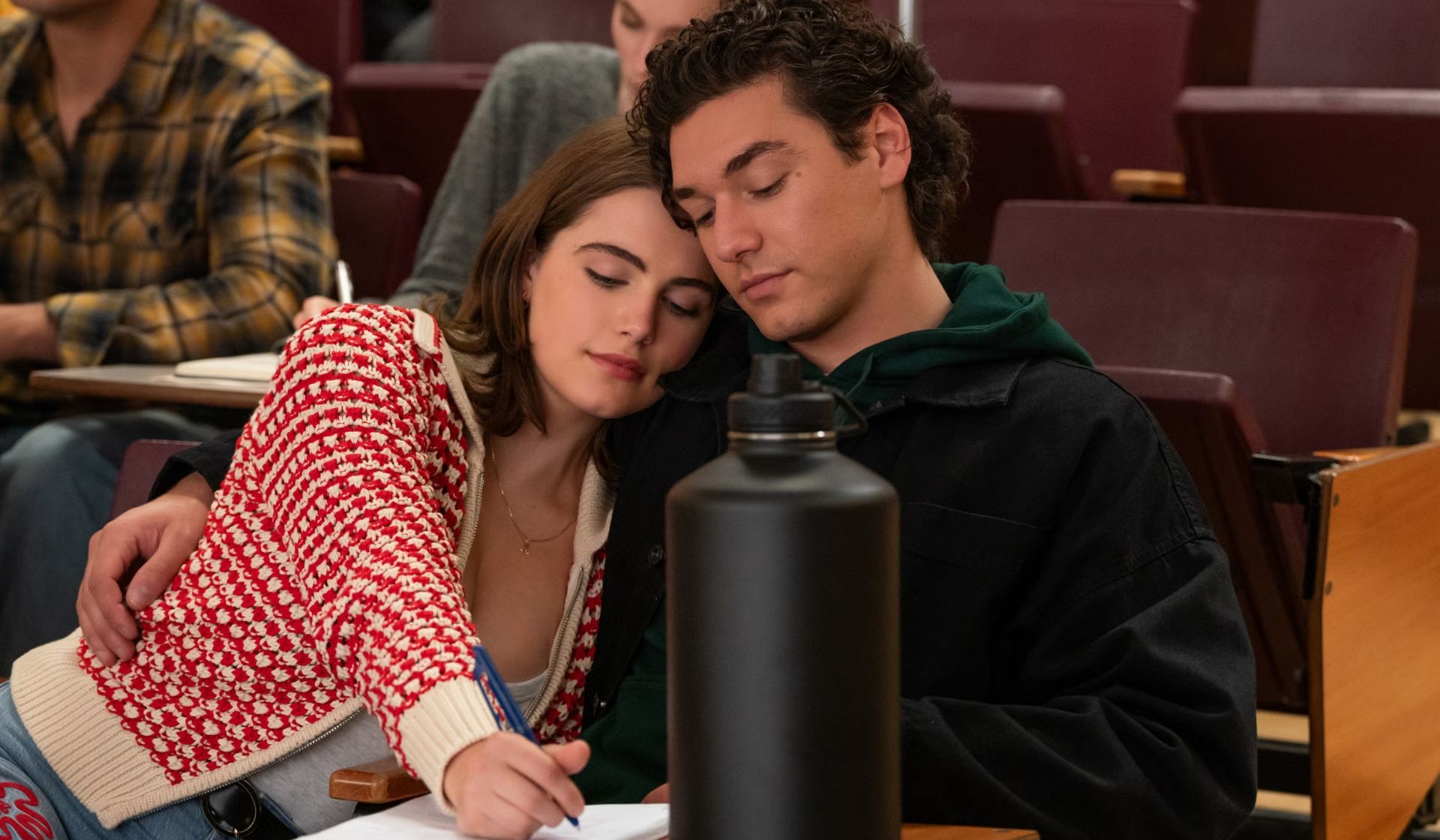
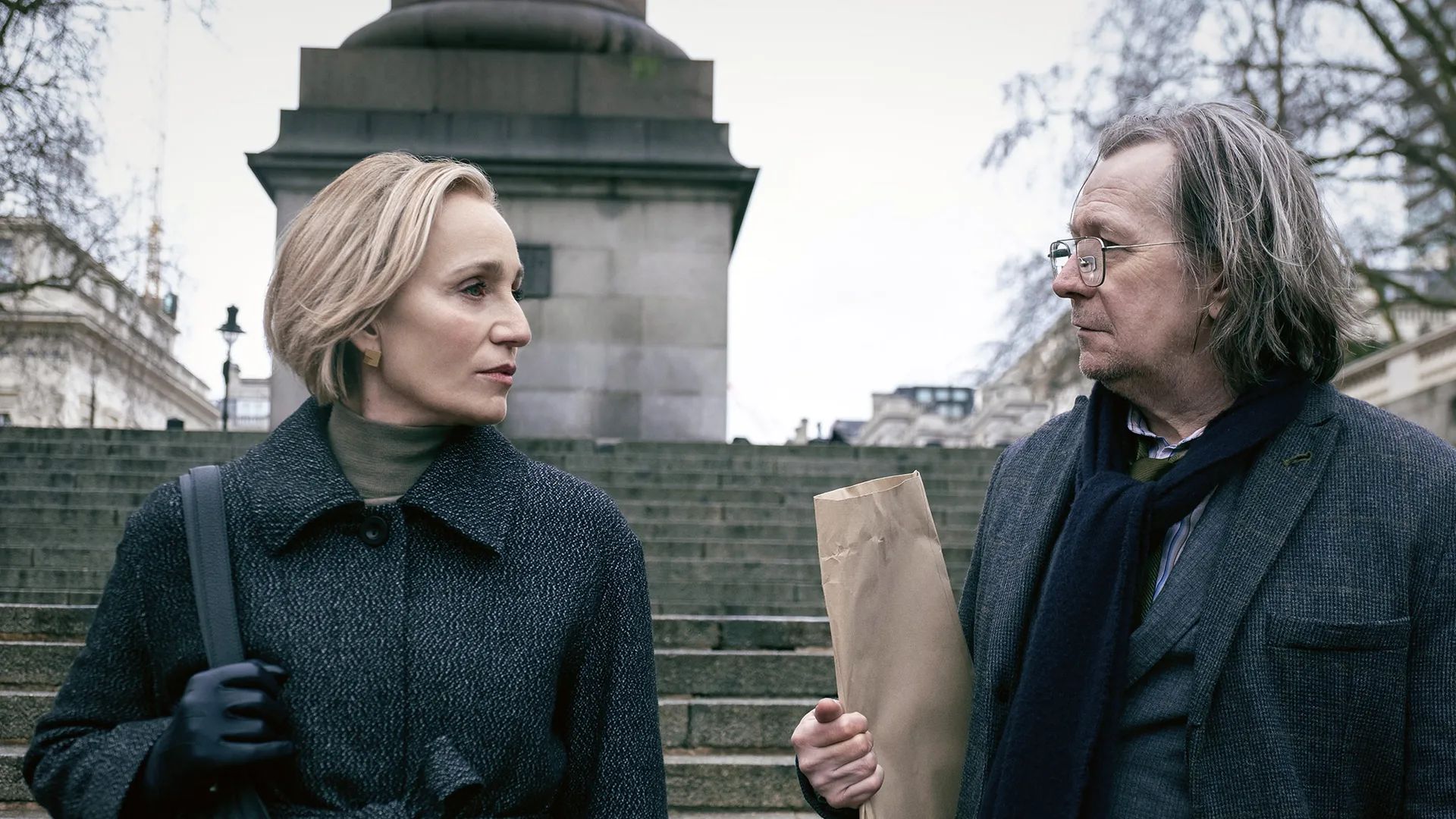
Also, shows that aren’t necessarily highly controversial but are still “discourse generators” often benefit from this. Both Heated Rivalry and Off Campus, which were not well-known IPs and didn’t star hugely well-known actors, both got plenty of attention and an explosion of viewers this year because of their steamy scenes and a general suitability for going viral. Are we in danger of losing the appeal of TV as something that’s comforting to watch after a long, hard day, and more as an almost job-like commitment to be able to partake in all the talk around it? It seems unlikely that will ever truly happen (unless you really are terminally online), but trends over the past decade or so do feel increasingly like the discourse, and what social media has to say about it, is what is driving us to watch a show. This may have an increasingly negative impact and cause burnout, or, perhaps, a swing in a different direction. We’ve mentioned Slow Horses a few times on The Handbook, and while, like any other show, it has its fair share of discussion online, it feels quite refreshing to see something that has steadily built up a reputation and is making people watch because it’s a well-made show to get stuck into, rather than a series that almost feels a need to dominate online chatter. Maybe that kind of thing is what we need.