28 Years Later Is One Of Summer’s Buzziest Films, But How Does It Compare To The Original?
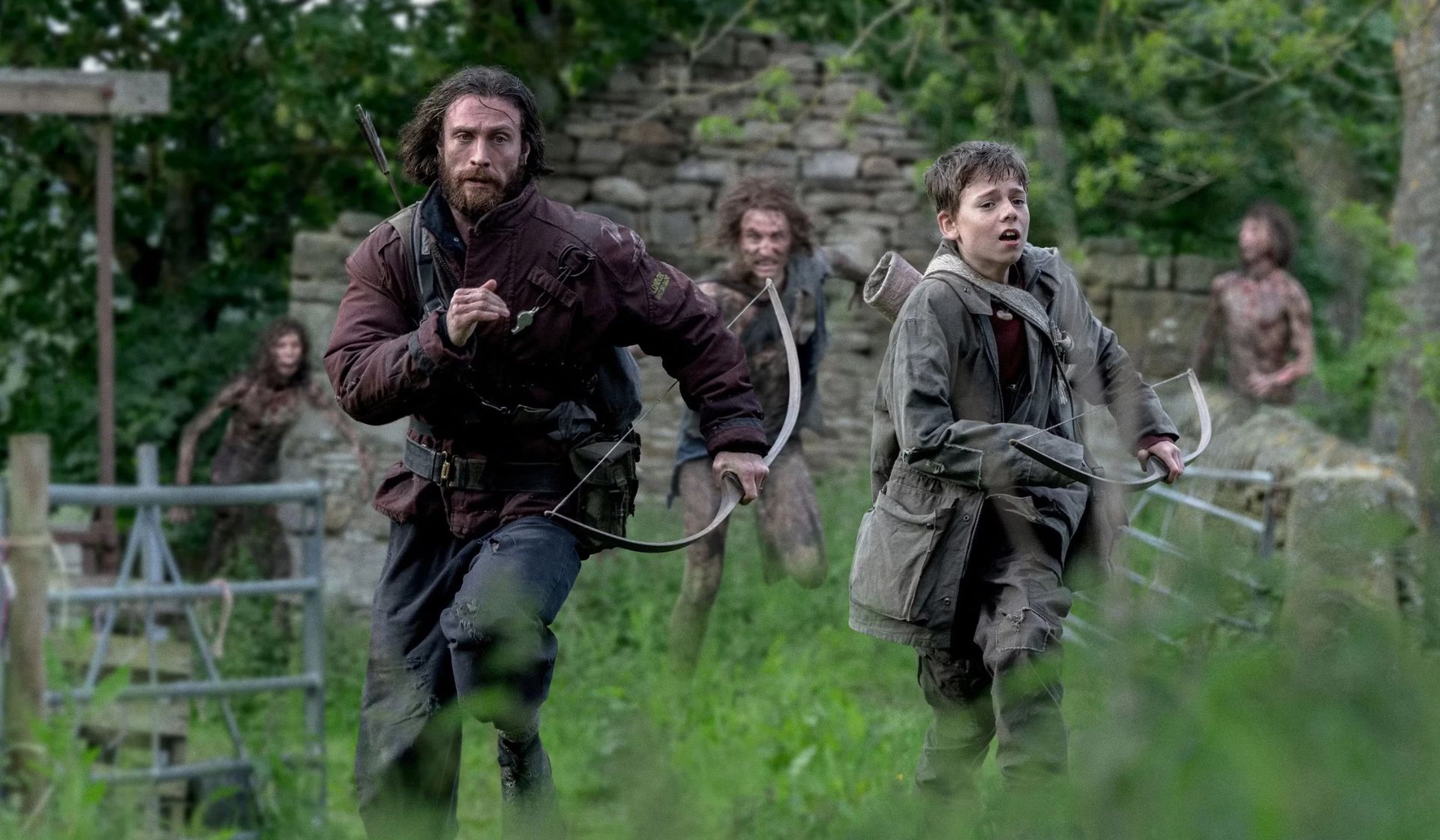
A coming-of-age story set in a post-apocalyptic Britain, filmmaker Danny Boyle returns to direct a sequel that takes the series in an unexpected direction. Starring Aaron Taylor-Johnson and Alfie Williams as a father and son duo venturing into the unknown and trying to survive, 28 Years Later is set nearly three decades after the first as the British Isles continue to be devastated by a terrifying virus. But is this follow-up worth the wait? We find out…
28 Days Later was iconic for multiple reasons: it launched Cillian Murphy’s career, it revitalised zombie films (even if they’re technically “infected” rather than zombies) and depicted the end of the world from a UK rather than the usual guns-and-all US perspective. The imagery of a deserted central London was memorable enough that clips from the film were recirculated during the early days of the COVID-19 lockdown, with the dangers of a mysterious virus having become all too familiar.
What is 28 Years Later about?
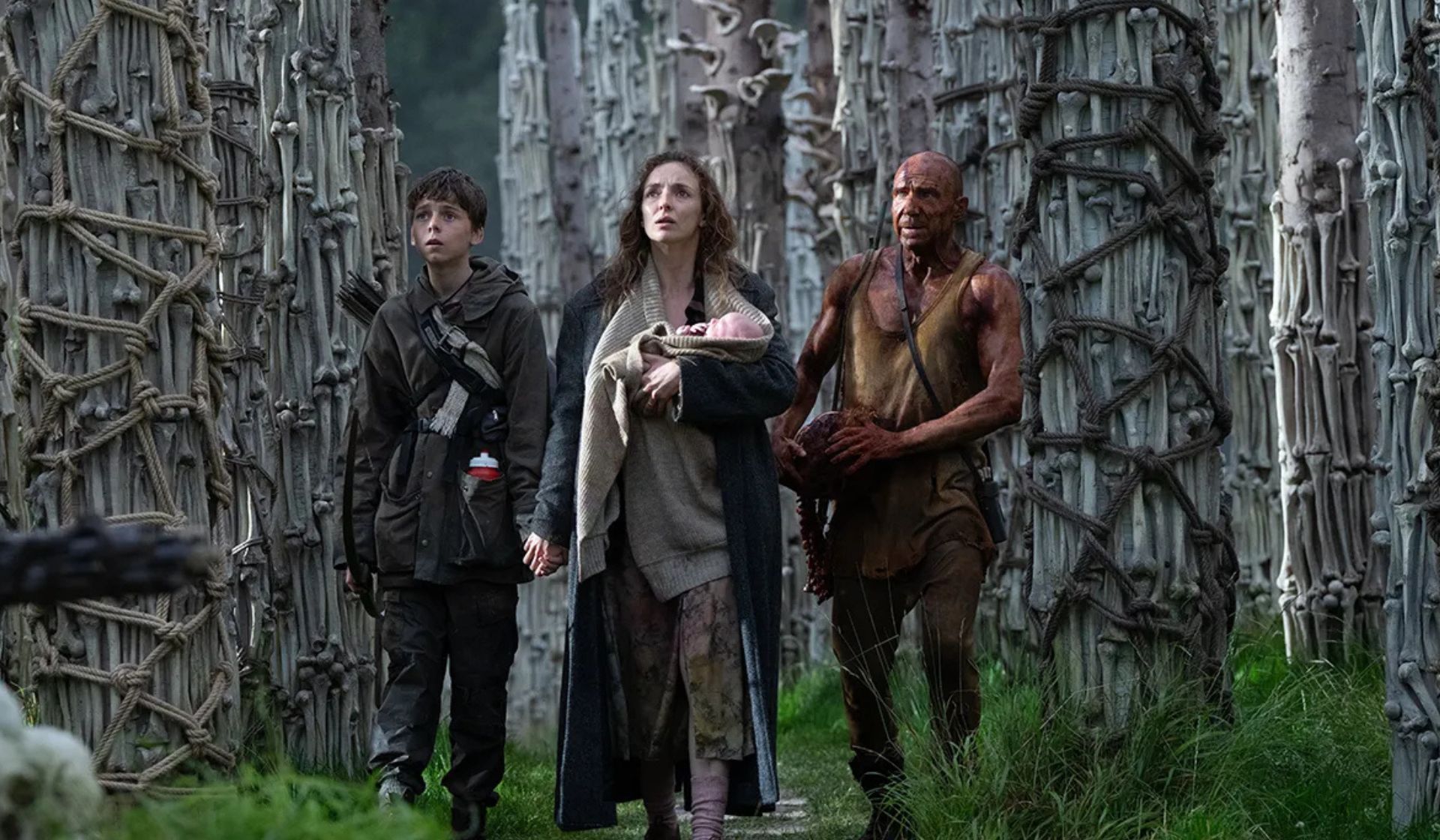
28 Years Later swaps out the streets of the capital for northern countryside, and Murphy’s character of coma patient Jim for a young boy named Spike, who was born long after the franchise’s Rage Virus first broke out, and never experienced normal life before it. He lives along with his father, Jamie (Taylor-Johnson) and mother Isla (Comer) in a tiny community on the remote Holy Island, off the coast and detached from the collapsed mainland. We only get some insight into this small group of what you can barely call civilisation, who function as an independent, fortified commune, but it is one of the film’s more intriguing aspects.
Jamie decides that Spike is old enough to take the rite of passage of visiting the mainland and learning to fend for himself, despite the objections of Isla, who is suffering from an illness that causes episodes of confusion. All three actors here give very good performances, which form a family that doesn’t quite fit together- can anyone live a normal life in such circumstances? Jamie is often boisterous and confident, a mixed character who cares for his son but is often cavalier with safety. Spike, meanwhile, is interested in learning, but is full of doubts about himself. As the two venture armed with bows into the treacherous land beyond their community’s gates, we discover that the virus has evolved in the past 30 years since it transmitted to humans.
How does it compare to the original?
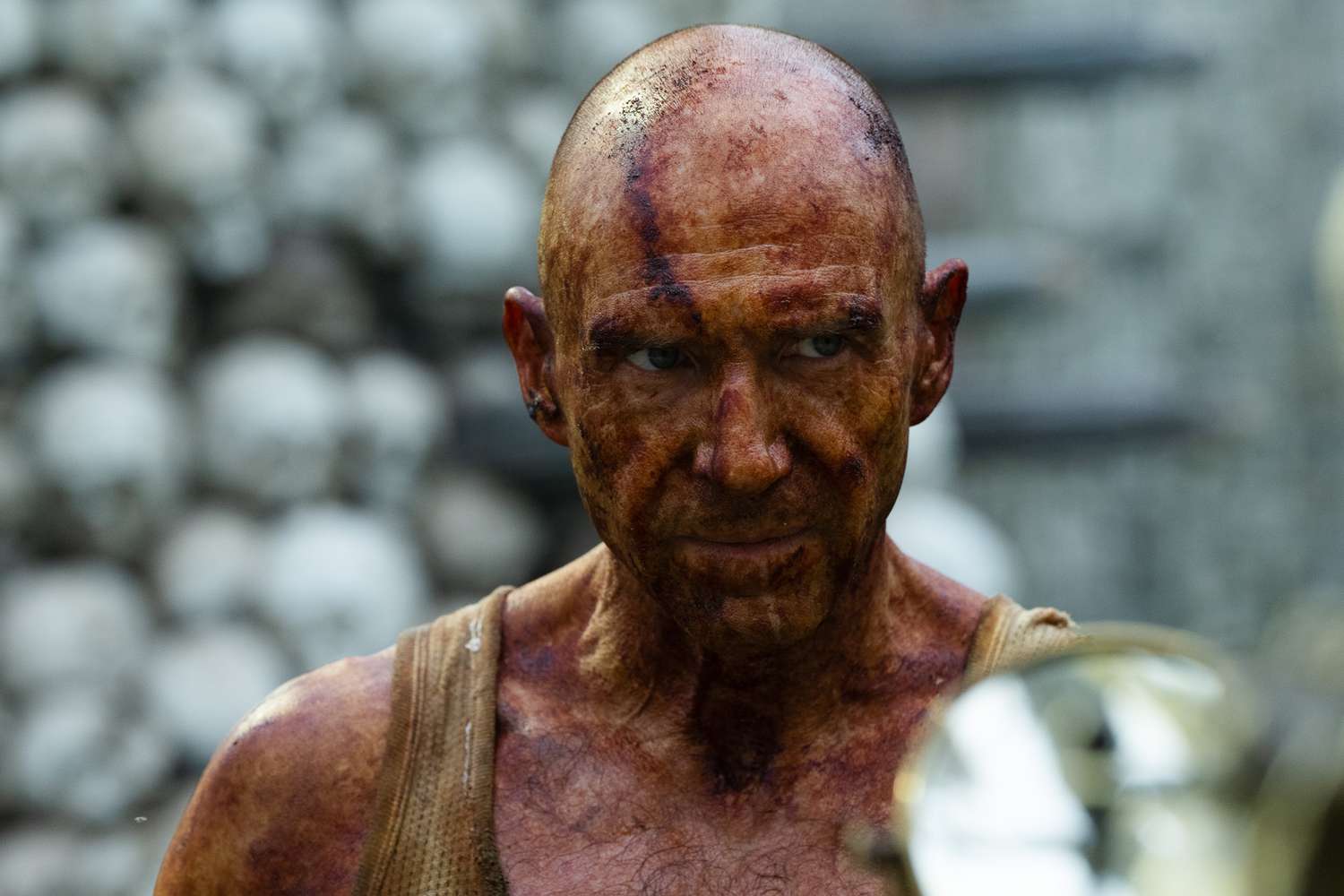
The infected are decayed and naked, still totally mindless and incredibly violent, and roam Britain freely. Some have mutated and become hugely bloated as they slowly crawl around, easily picked off, while a few others are taller, stronger and faster, often to frightening (and goey) effect. The filmmaking style has also evolved, from a lo-fi handheld look to a much more stylised, less grounded feel, particularly as these creatures are dispatched by our protagonists, with brief freeze frames, quick cuts and a sometimes dreamlike atmosphere as you’re pulled along. After getting up close to the infected and learning the ropes, Spike, concerned for his mother’s failing health, becomes set on finding a man who lives in isolation on the mainland, Kelson (played by Fiennes). The boy, with a childlike hope and imagination, believes that this figure can cure Isla’s illness, and asks to find him. Without giving too much away, when Kelson does appear in the film, Fiennes gives a typically strong performance, on which many of the film’s themes (life, death and beyond) rest. His character is enigmatic and philosophical, often directly enunciating those themes for us to ponder.
Should you watch it?
It should be noted that this is just the first film in a planned new trilogy, and while its characters are well realised it does feel like part of a larger world that hasn’t been revealed- something which is good to keep in mind going in. 28 Years Later is a different kind of story and experience to the original, almost experimental in approach, and it’s clear Boyle is more interested in moving to new heights and letting things be more artistic and metaphorical rather than retreading old ground. Some people will dislike it because of the unexpected direction it takes that feels unconcerned with audience preconceptions, but it is all the more interesting for it and is often still thunderously entertaining if you sit back and enjoy it. While it still reliably hits some of the beats of apocalypse stories, leave your notions of zombie stories like The Last of Us or The Walking Dead at the door for an apocalypse film like no other.