Is Deep Cuts The Perfect Summer Beach Read?
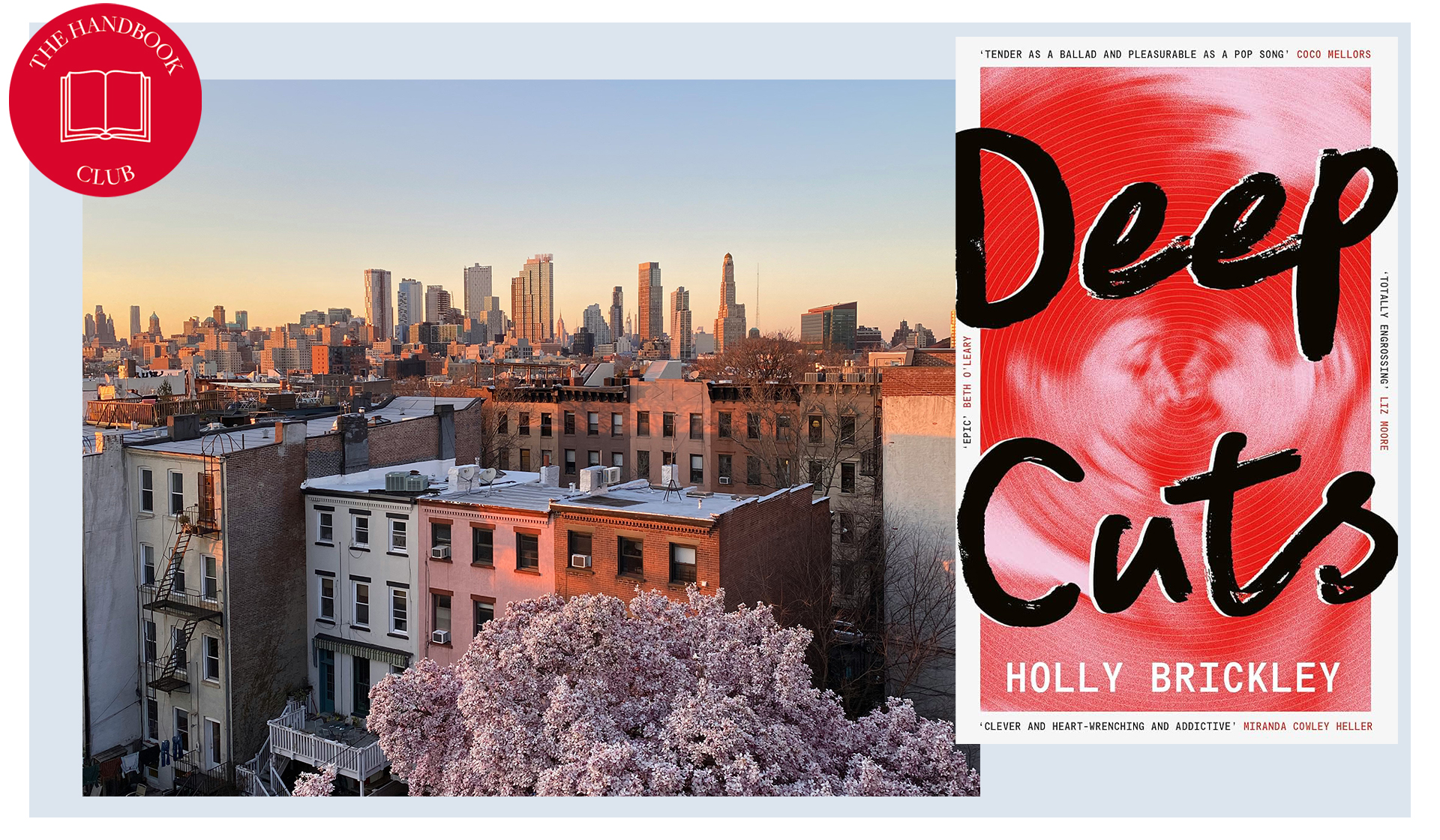
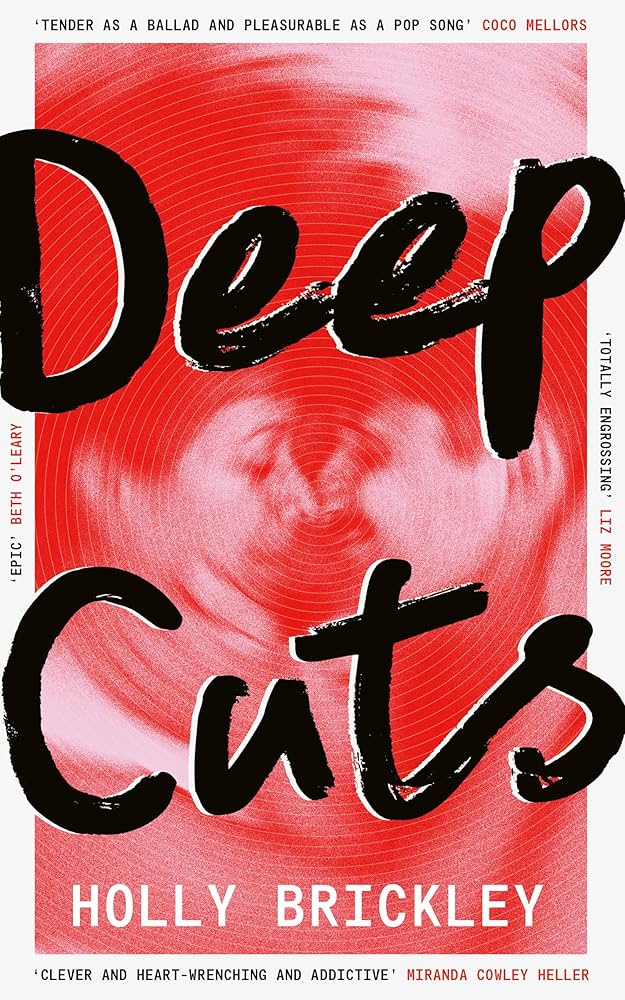
We’ve reached the stage where everyone is looking for a beach read to bring on their holiday, one that actually makes you want to pick it up rather than sitting by your side for a week as you scroll on your phone, and Holly Brickley’s debut novel Deep Cuts has emerged as a major contender.
To add to the hype, it’s already been snapped up by A24, and a film is in the pipeline starring Saoirse Ronan and Austin Butler as the leads. Which is about as ideal as marketing can get for a new release. For this book club installment, we’ve decided to see if it’s worthy of a trip to the Med.
What is it about?
Joe and Percy meet at a university bar in 2000, and immediately bond over a shared obsession with music. Joe is an aspiring singer-songwriter – a talented one at that – and while Percy has no musical talent herself, she has a fanatical enthusiasm and sharp ear for what makes a song work. This sets the stage for an almost decade-long musical partnership and will-they-won’t-they romantic intrigue. Joe pushes his feelings aside, fearing that a romantic relationship will jeopardise Percy’s crucial role as his main songwriting critic and collaborator. Percy becomes increasingly resentful at being kept on the sidelines, unsatisfied with both their platonic set-up and resentful of not being given adequate credit as a co-writer.
The push-and-pull intrigue has led to some comparisons with Sally Rooney’s Normal People, but this is much more in the style of a David Nicholls or Taylor Jenkins Reid – the plot mainly zips along on the surface, and Brickley is less interested in the relationship developing on the page rather than in using it to service the plot. Shortcuts like “we kept talking and couldn’t stop” are used to fast-track us to a place where our protagonists already like each other.
This is much more in the style of a David Nicholls or Taylor Jenkins Reid
For those at the intersection between Gen-X and Millennial, much of the novel will be pure nostalgia porn. It’s packed to the brim with musical references from the late 90s and early aughts (the author has even created a Spotify playlist), and Brickley has mined her own past Percy’s trajectory – undergrad at Berkeley, an MFA at Columbia, a job in trend research.
Should you read it?
“I’m mostly annoying when I talk about music,” Percy says early on. “But that’s also when I’m at my best.” This is also true of the novel itself. On the one hand, Brickley does a good job of positioning Percy’s obsession with music as both a crutch and a superpower. Socially awkward, it’s the way she understands the world and her relationships with others. She’s the type to get irritated when she had “burned a perfect party mix, but of course, people put on whatever they wanted”, and takes pleasure in eviscerating others’ inadequate music tastes. As you can imagine, she has a knack for alienating those around her.
For those at the intersection between Gen-X and Millennial, much of the novel is pure nostalgia porn

But centring music also creates some issues for Brickley. Too often, Percy is used as an avatar for the author to ponder her own niche opinions. There’s also the curious section where an unstructured, stream-of-consciousness essay written by Percy is critiqued by her fellow MFA students, whereby Brickley essentially praises her own writing skills.
It also proves the rule that trying to convey the power of music through prose is an impossible task. Without a musical reference, the lyrics created by Joe and Percy are flat and uninspiring, and too often feel like it was written by a fan, but not an expert. Long sections spent debating the virtues of song bridges will test readers’ patience.
Generally, the prose is kept quite simple, which does give the novel forward momentum, but can include some clangers. Joe’s first performance in front of Percy is prefaced by the unforgivable “He rubbed his hands together like he was about to cook me a really good meal”. Jabs at political commentary are also largely heavy-handed and superficial, and an opportunity to explore Joe’s experience as a working-class musician is ignored for broad-stroke markers.
Verdict
For all the discussion of musical genres, Deep Cuts is pure pop. It has its merits; never falling into the pitfall that plagues will-they-won’t-they’s where the love interests are kept apart by forces of convenience – the agonising over balancing the reward of taking the next step, balanced against the risk of losing what you have, is well-earned. At just 260-odd pages, the central question will keep you going until the end, as will the music recs you might come away with. But its charms never dip below the surface. Bringing it to the beach is not a bad idea, but after finishing, you might just leave it there.
Looking for something similar? Read these next
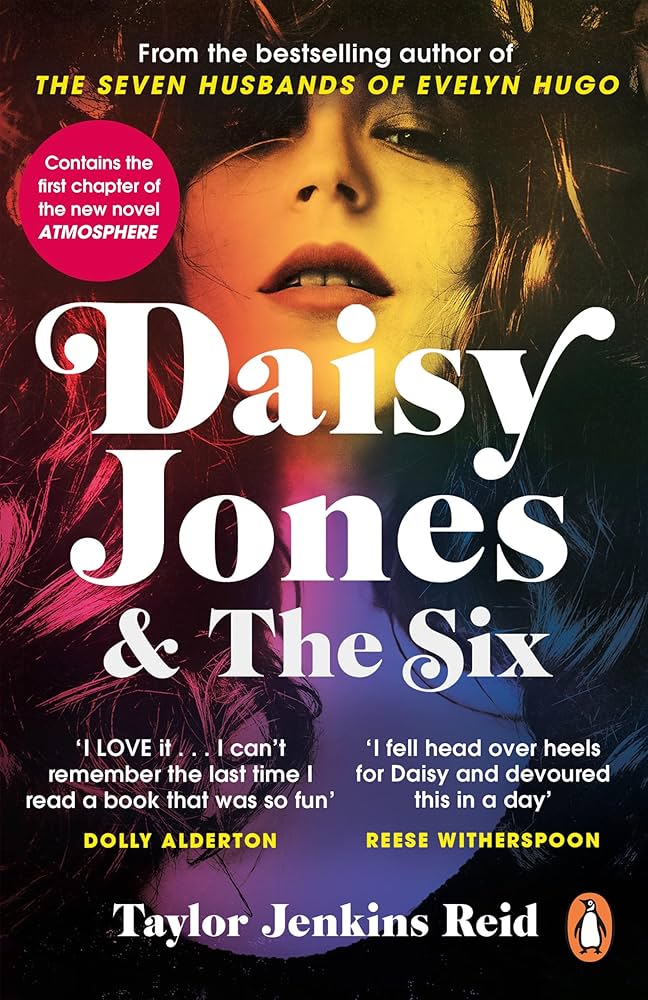
Say novel about music, and most with think of Daisy Jones. Supposedly inspired by Fleetwood Mac, it tells the rise and fall story of a band with lots of clashing egos, and captures the excitement and tumult of life on the road.
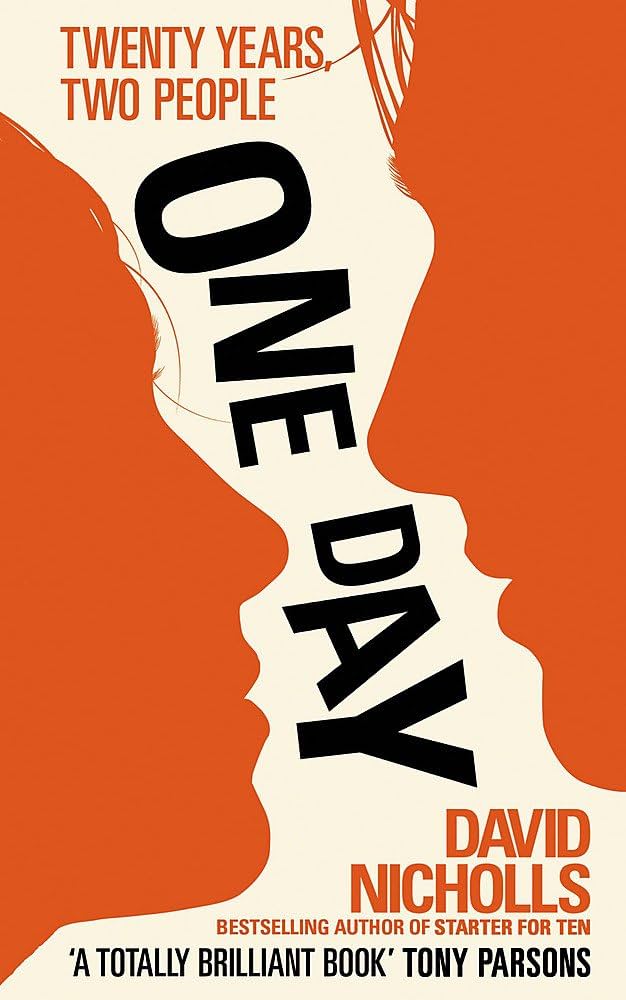
If you’ve not already seen the Netflix series, One Day hits the same will-they-won’t-they relationship notes as Deep Cuts.
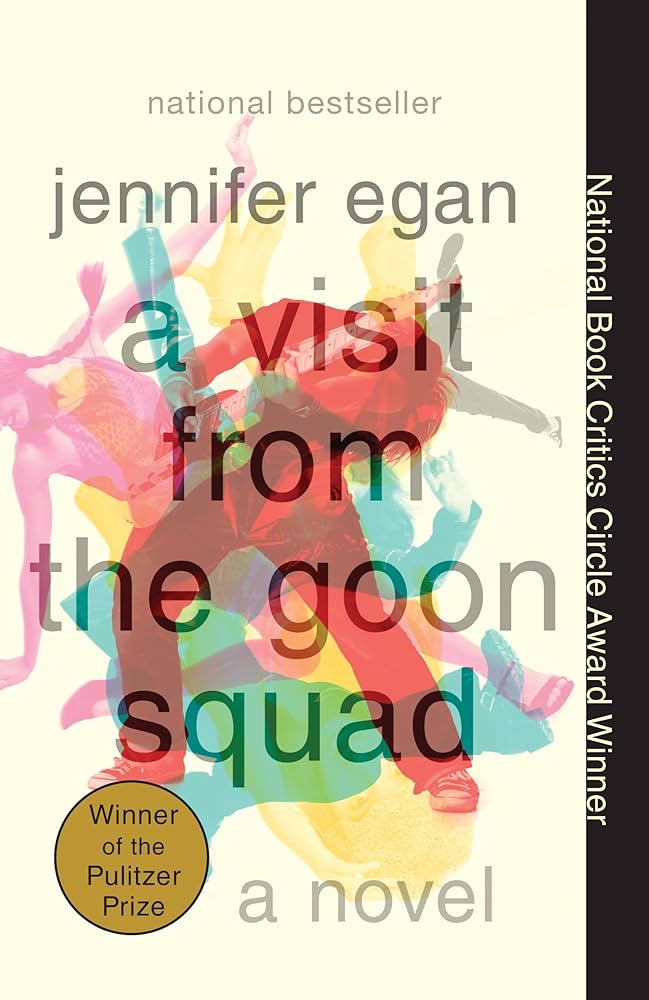
A personal favourite, Jennifer Egan‘s Russian Doll of a novel is split into 13 interconnected stories set around the world and at different times, from a Kenyan safari in the 70s and the San Francisco punk scene of the 90s to a vision of New York in the future.
Our next pick…
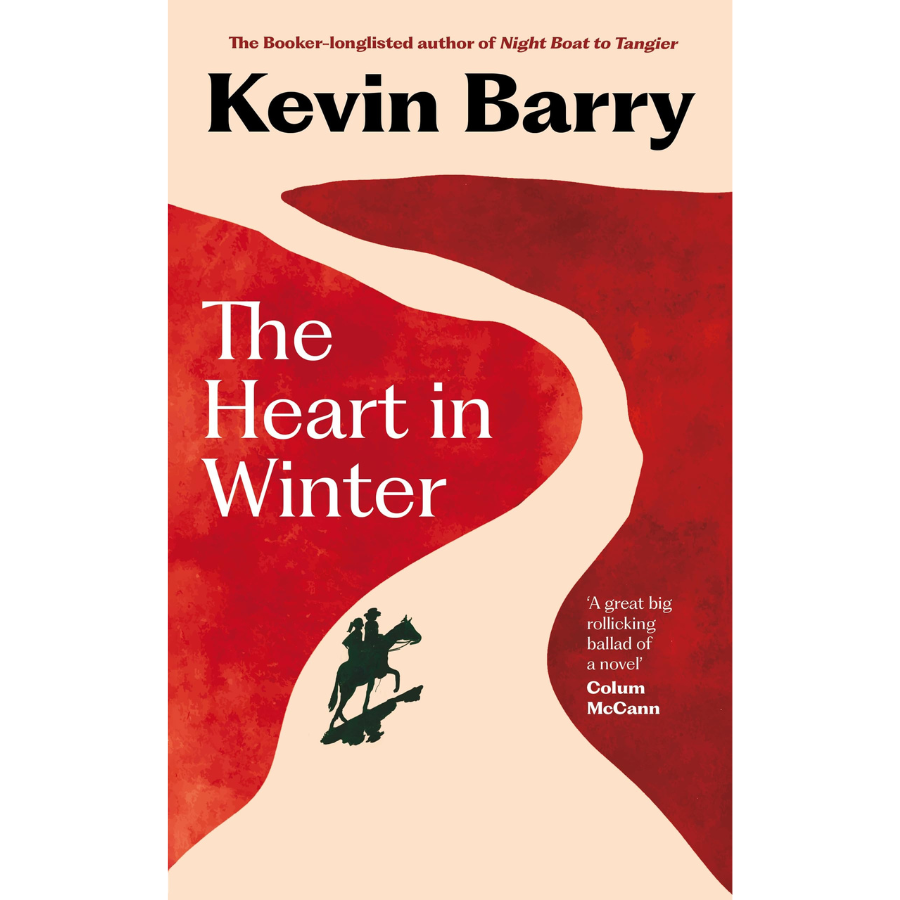
The Heart in Winter
Kevin Barry is one of the great tragi-comedy writers of modern times – from his short stories to his novels, having you laughing out loud on one page and weeping on the next. His latest novel marks a bit of a change, set in 1890s America about a forbidden affair between a young balladeer and the wife of a devout and powerful mine captain.