“Dark Spots? I Finally Found A Treatment That Actually Gets Rid Of Them”
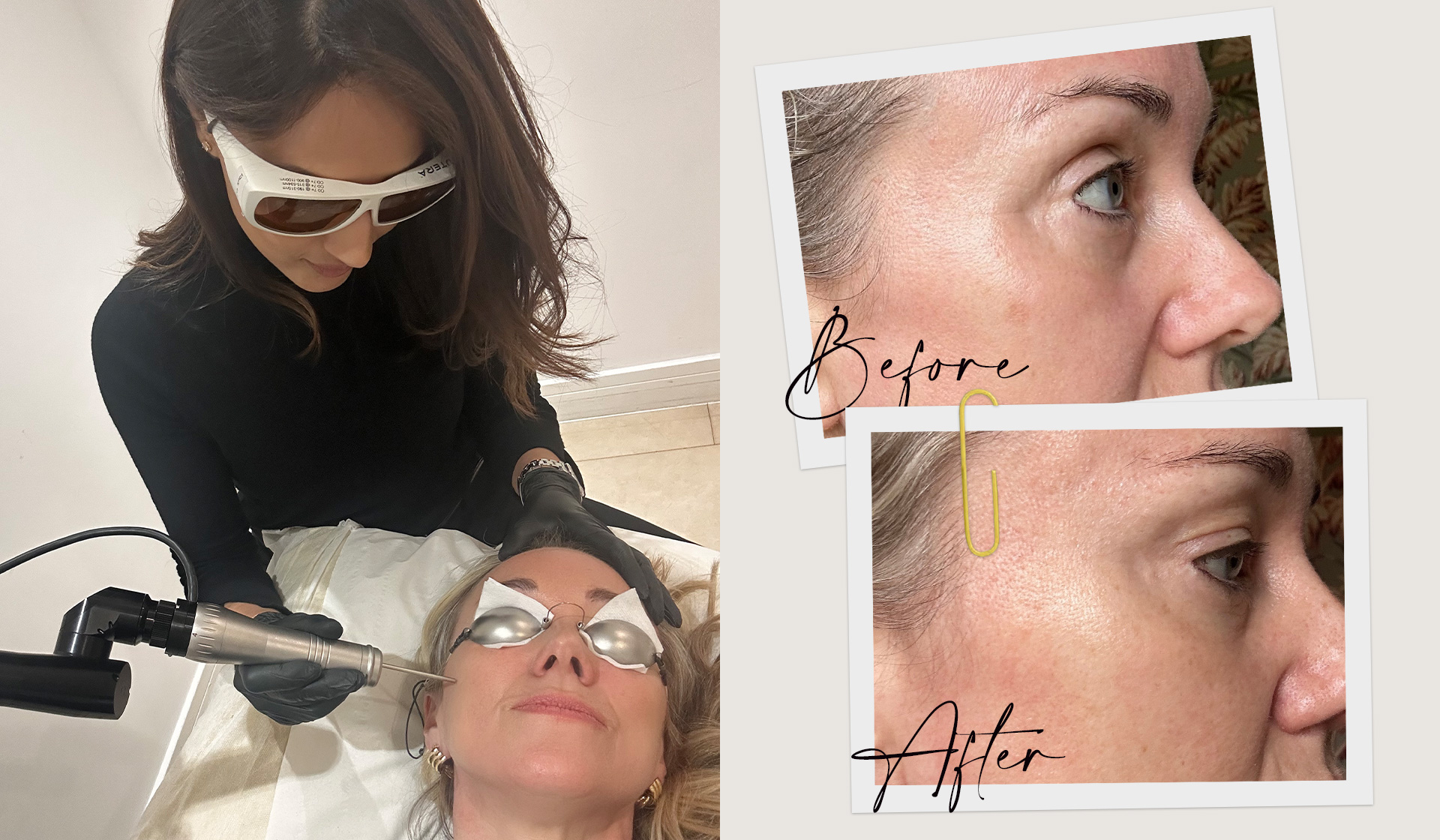
After ten years of trialling serums, creams and at-home LED masks, nothing was shifting the dark spots that had quietly appeared on my face. Then I was introduced to the Pico laser… it changed everything.
What are dark spots?
Also known as hyperpigmentation, dark spots form where the skin produces more melanin than usual. In most cases, and definitely in mine, this is down to a combination of sun exposure and age. Some may also be due to acne scars or nutritional deficiencies. Once formed, they are tough buggers to get rid of, believe me. So prevention is key. I have paid the price of being lax with my skincare in my youth, so proper SPF protection is paramount. But please note, if you notice a new spot that changes in size or colour, get it checked out with your GP or dermatologist to rule out skin cancer.
The treatment that worked…
Over the years, I’ve used certain serums that have definitely made a difference. However, none have completely eradicated the little patch of pigmentation high on my cheek. Facialist Kate Kerr introduced me to ZO Skin Health, which was transformative. And Sunday Riley’s Good Genes Lactic Acid Treatment was and is a product that visibly showed results, making these brands ones I continue to return to. But, while the pigmentation may have faded, to me it still felt prominent. So, on a mission to find an actual dark spot remover, I made an appointment at the PHI Clinic with the brilliant Dr Anneka Shah. With a medical background and a huge appreciation for natural-looking rejuvenation, Shah looks at the whole picture, including your lifestyle. Plus, in a world where we’re bombarded with often unnecessary procedures, she will only make suggestions that her clients will actually benefit from. In a nutshell, I felt safe.
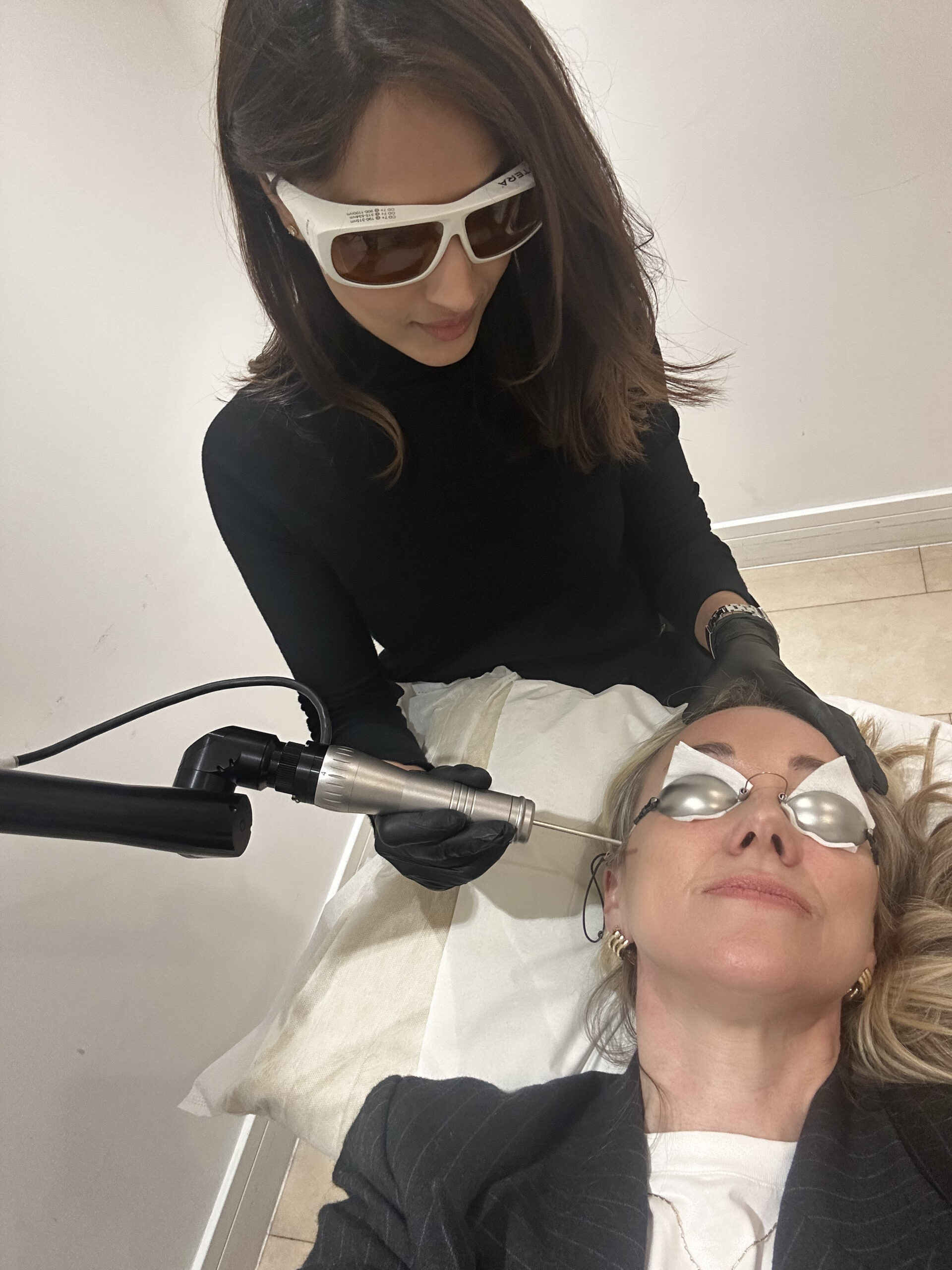
The laser in question treats stubborn pigmentation, sunspots, acne scars and can assist in skin revitalisation.
Assessing my skin, she recommended the Pico laser. New to me, she gave me all the info, let me go home, think about it, and come back to her when I felt ready. The laser in question treats stubborn pigmentation, sunspots, acne scars and can assist in skin revitalisation. Using ultra-short pulses, it shatters pigment with minimal heat and minimal downtime, providing a safer option for skin tightening and brightening.
What is Pico laser?
A Pico laser (or picosecond laser) is a non-invasive, advanced skin treatment that uses ultra-short pulses rather than heat to shatter pigment particles. Unlike traditional lasers that rely on heat, Pico lasers use a photo-acoustic/photo-mechanical effect to break down pigment into tiny dust-like fragments, making it easier for the body to remove. It is primarily used to remove tattoos, treat pigmentation such as melasma or sun spots, reduce acne scars, and brighten skin tone.
Not only is it safer for a wider range of skin tones, but it also offers minimal downtime and faster results compared to traditional lasers. Treatments usually last 10–30 minutes, with most patients requiring 3-6 sessions. Mine – somewhat faded after at-home treatments – only took two sessions.
My verdict
Finding a specialist you trust is by far the most important place to start. You need to guarantee that you’re receiving the correct and appropriate care for whatever your skin concerns may be. I overthink everything in life, which, when it comes to my skin health, is no bad thing. And bearing in mind that my little patch of pigmentation had been with me for possibly ten years, I was not about to rush into anything. Dr Anneka Shah does not push or pressure. She knows what she’s talking about, plus she’s based at a reputable clinic. So I was definitely in good hands.
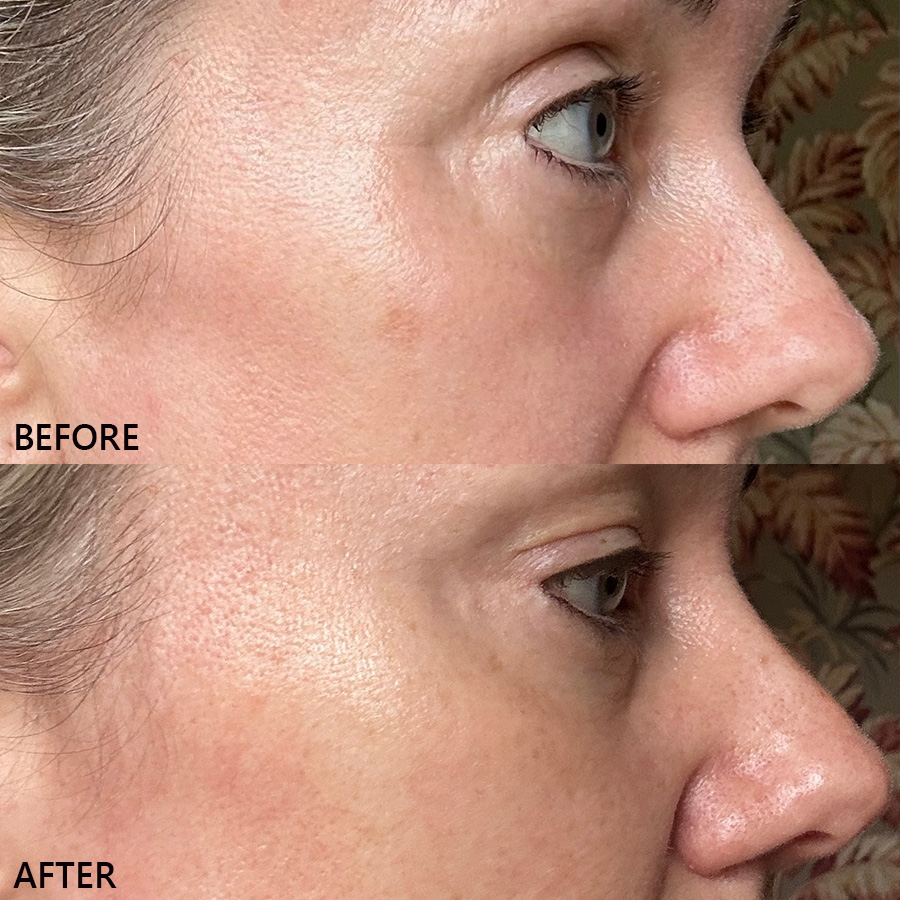
In the end, I had two treatments, two weeks apart. That was all it took to banish three dark spots. The downtime was minimal: redness, followed by a small crust at the treatment site, which flaked away by day three. I used Avène Cicalfate+ Restorative Protective Cream while everything was healing. And just like that, the dark spots had gone. This was money well spent and a treatment I would highly recommend.
How to book
New patient consultation from £125. For more information and to book your treatment, visit https://www.phiclinic.com.
At-home treatments
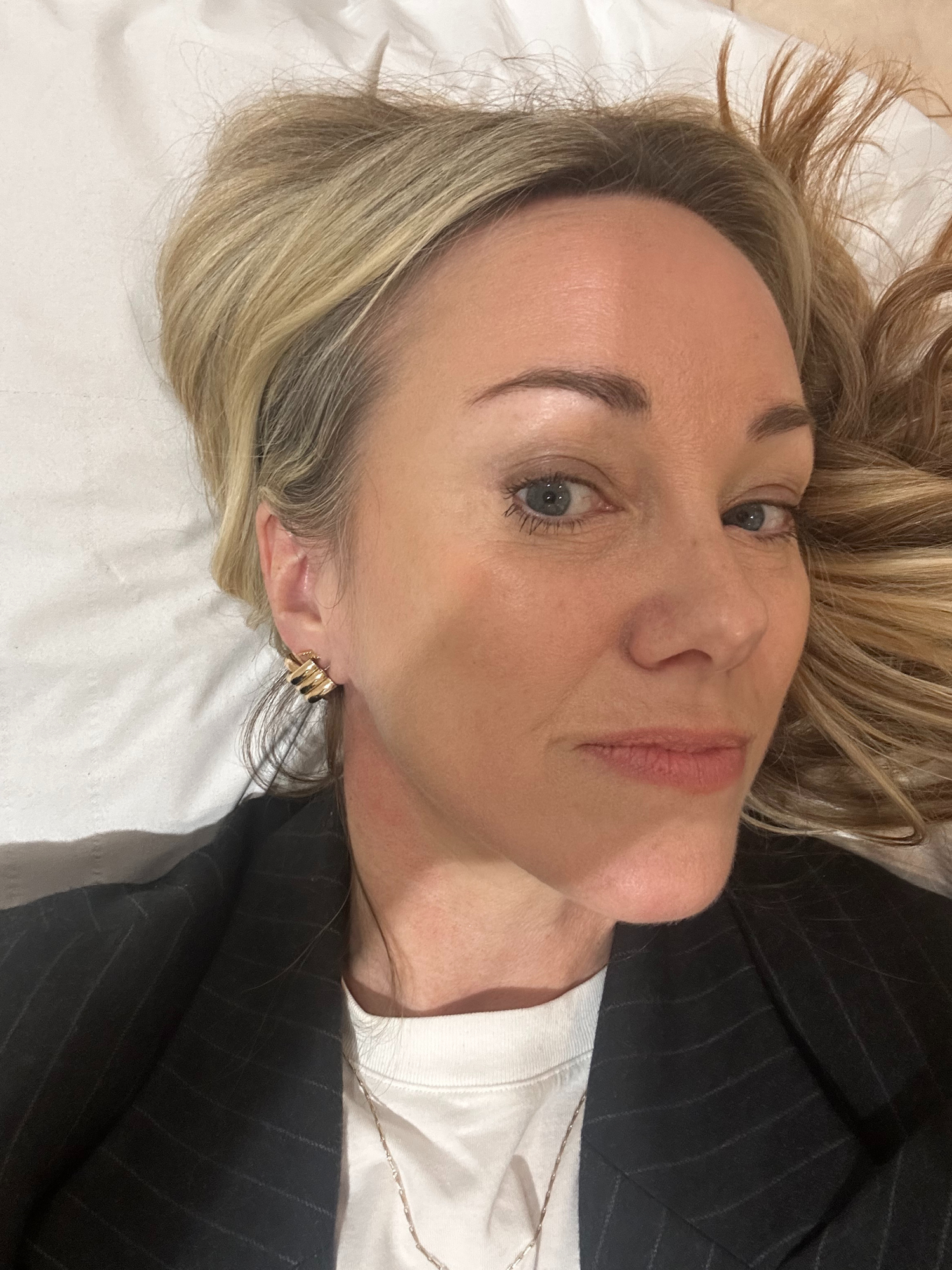
The most important thing to note is the aftercare. I continue to invest in great skincare and always wear SPF. There will always be a risk that dark spots will return, so for me, it isn’t just about having a treatment; it’s your ongoing day-to-day skincare regime that really matters. Essentially, as Dr Anneka Shah says, you can have all the fancy, high-tech procedures going, but if you’re not maintaining a healthy lifestyle and looking after both your body and skin, it will be a waste of your money.
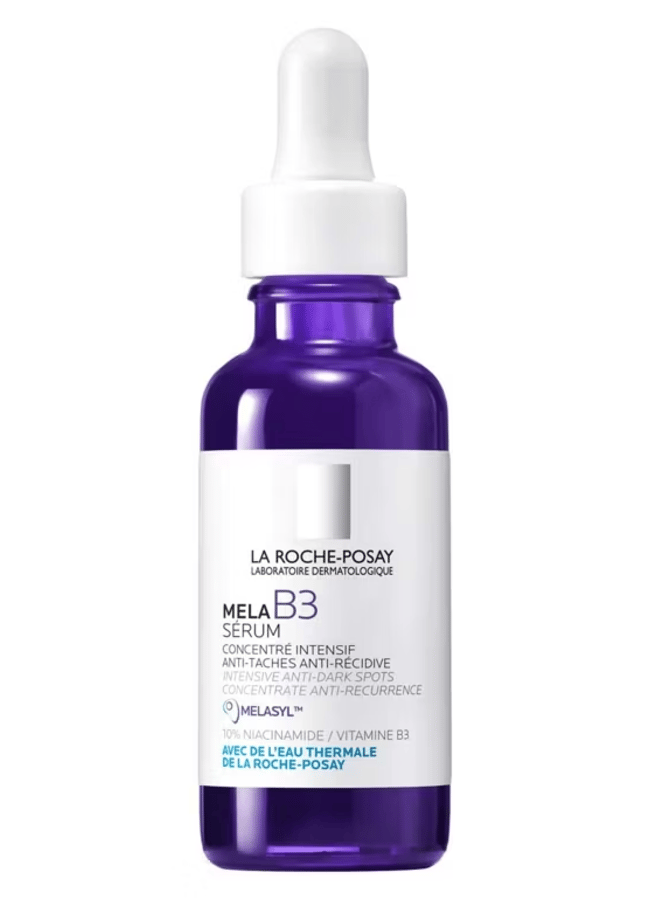


The skincare that matters
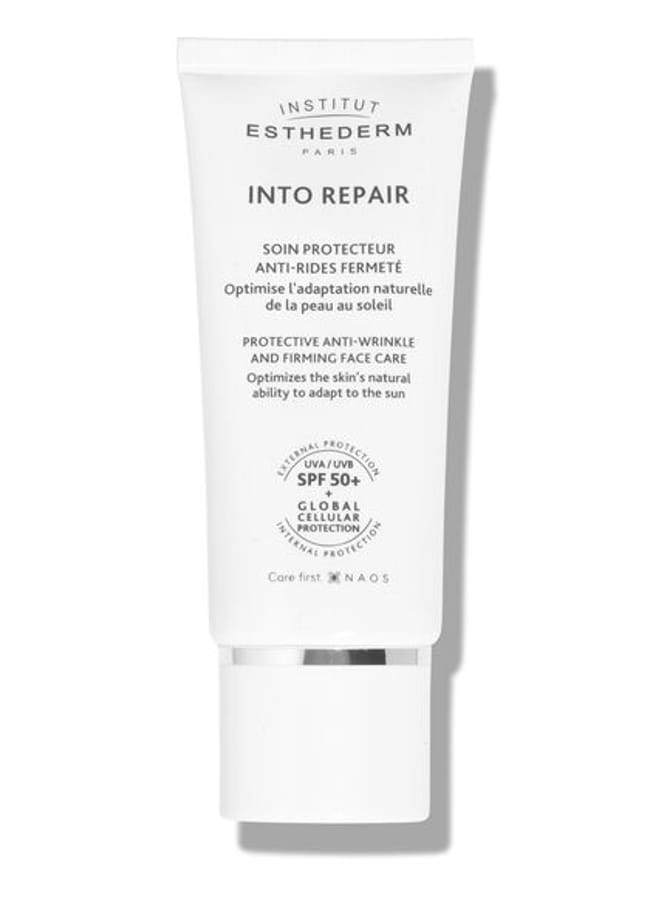
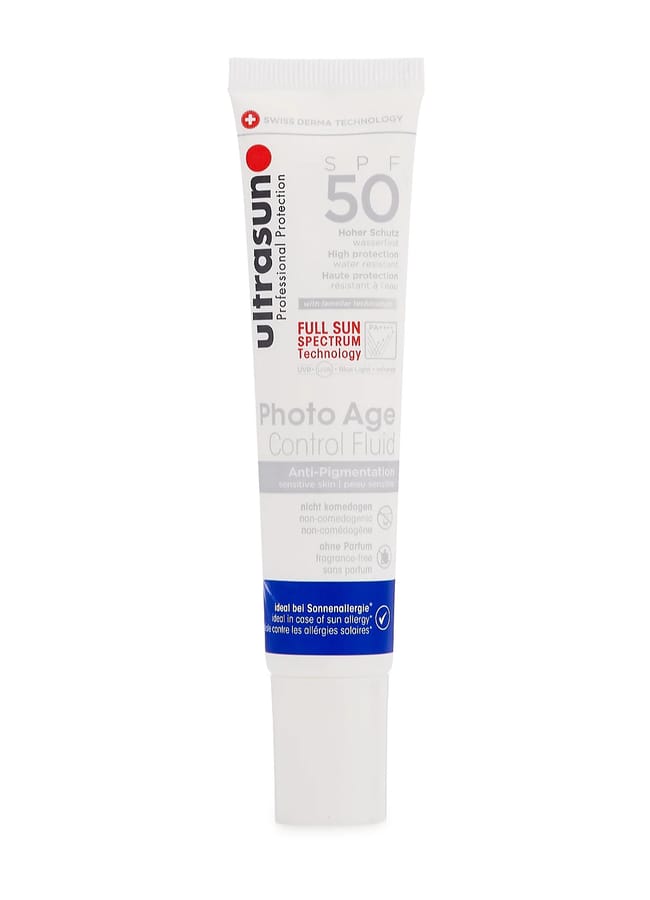
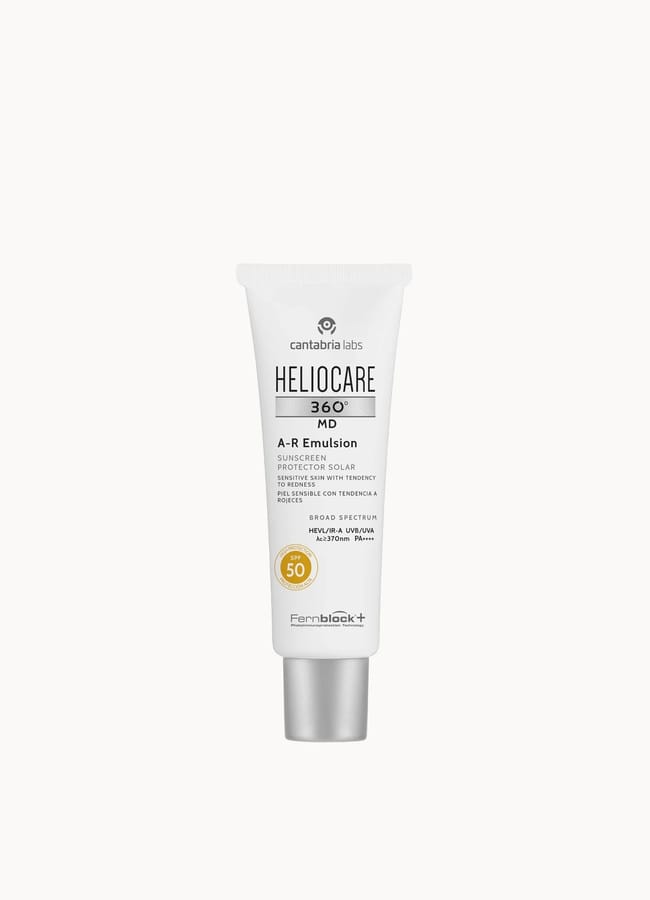
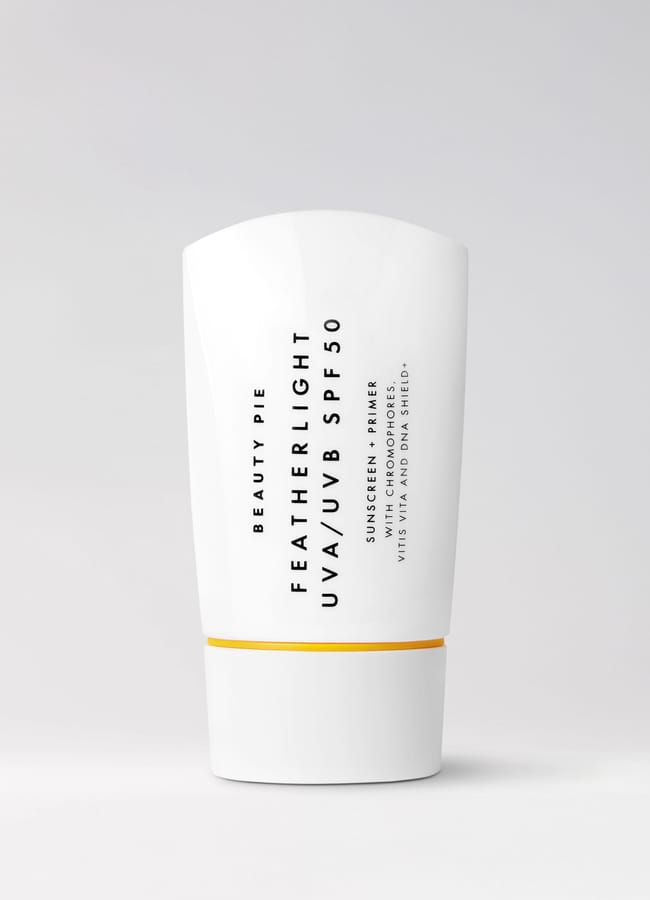
It all comes back to your suncreams. I will not leave the home without a full face of SPF now. Primarily to protect my skin and reduce potential damage, but also to prevent further pigmentation. Key brands have developed ranges that also include anti-pigmentation technology, so you’re getting a double whammy of hardworking skincare. These are the ones I rely on and trust.


The products on this page have been selected by our editorial team, however, The Handbook may make a small commission on some products purchased through affiliate links.