How To Navigate Skincare, Haircare & Makeup During Cancer Treatment
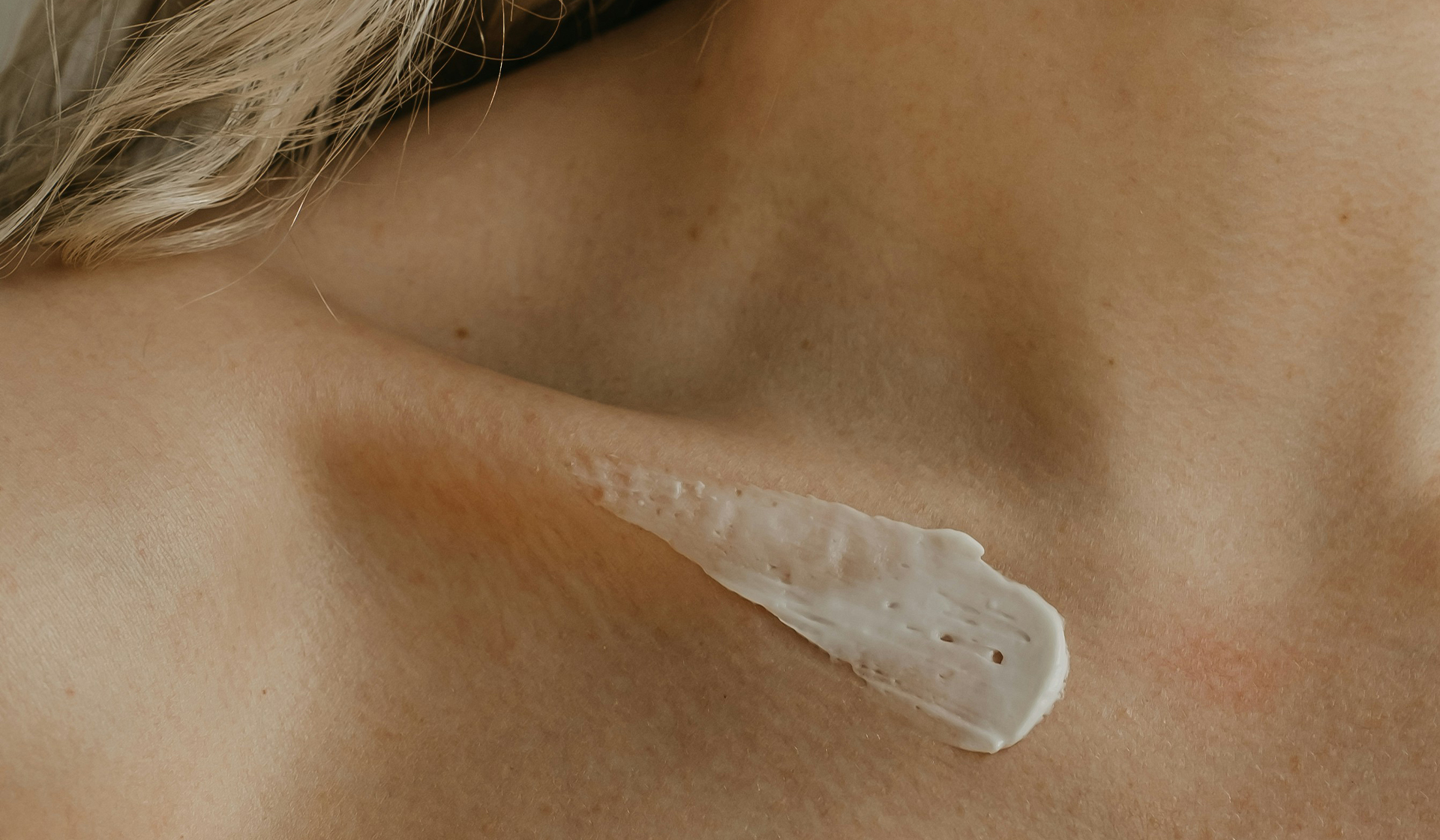
Whether you or someone you know has been touched by cancer, you’ll know all too well how demanding treatment can be on the body. While beauty routines may seem secondary on this journey, they can offer moments of calm, comfort, and identity. Gentle self-care is about preserving dignity and supporting emotional well-being during a time when control feels elusive.
What works for one person may not work for another, but above all else, it’s important to listen to the body, and don’t hesitate to ask for guidance from oncology nurses, dermatologists, or specialist beauty therapists. To help lighten the load, we’ve done the research of what to look for (and what to avoid) to help you find the best skincare, haircare, and more during this difficult time.
Understanding the changes
Cancer treatments such as chemotherapy, radiation, and immunotherapy can cause various skin and hair-related side effects.
Skin may become dry, flaky, hypersensitive, or prone to rashes and peeling. Hair often becomes fragile, thins, or falls out entirely. Nails can become brittle or discoloured. And complexion may change due to inflammation, dehydration, or medication side effects.
These changes are deeply personal and can be both emotionally and physically challenging. But with mindful choices, you can nurture your skin, protect your hair, and engage with beauty in a soothing way.
Skincare
What to avoid
When your skin barrier is compromised, certain ingredients become irritants rather than assets. Here’s what to sidestep:
Fragrances (synthetic and natural): Highly sensitising and linked to allergic reactions.
Alcohols: Can dry and irritate the skin further.
Sodium Lauryl Sulphate (SLS): A common foaming agent that strips natural oils and disrupts the skin barrier.
Retinoids (Vitamin A derivatives): Potent and often too harsh during treatment.
Physical exfoliants (scrubs, beads): Can cause micro-tears in already fragile skin.
Essential oils: Though natural, they are often highly concentrated and irritating.
These changes are deeply personal and can be both emotionally and physically challenging.
3 ways to identify irritants
1. Read the ingredients list: Look for terms like “parfum,” “alcohol denat,” or “SLS.”
2. Less is more: As a rule of thumb, the shorter the ingredient list, the lower the risk of irritation.
3. Patch test: Always test new products on a small area before full application.
What to embrace
Focus on replenishing moisture, repairing the skin barrier, and minimising inflammation. “Gentle, effective routines aren’t just about skin—they help people feel seen, capable, and beautiful,” says a representative at Look Good Feel Better, a UK-based charity offering confidence-boosting beauty workshops tailored to those undergoing cancer treatment.
- Ceramides: Help rebuild the skin’s natural barrier.
- Hyaluronic Acid: Deep hydration without clogging pores.
- Glycerine: A gentle humectant that retains moisture.
- Colloidal Oatmeal: Soothes itching and inflammation.
- Panthenol (Vitamin B5): Supports healing and hydration.
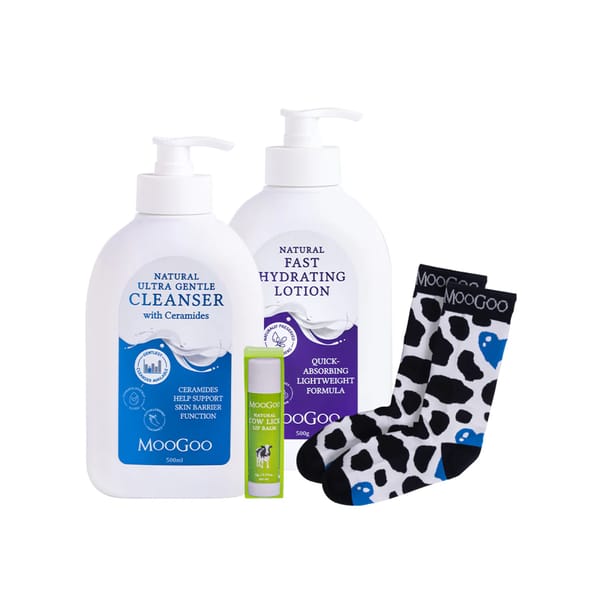
Best calming skincare products
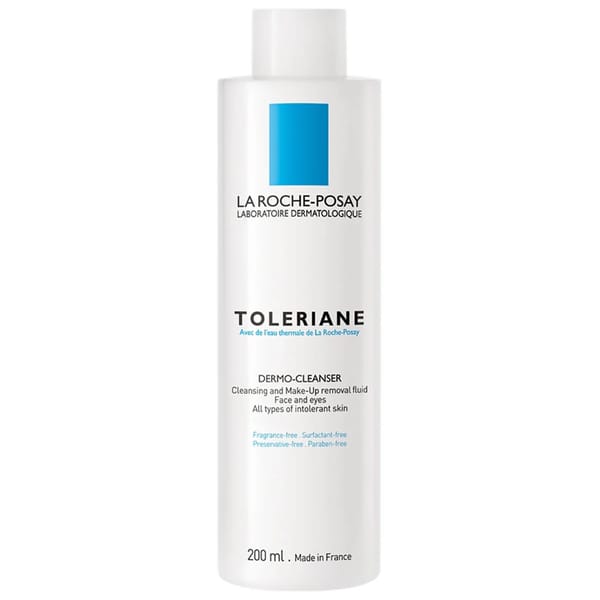
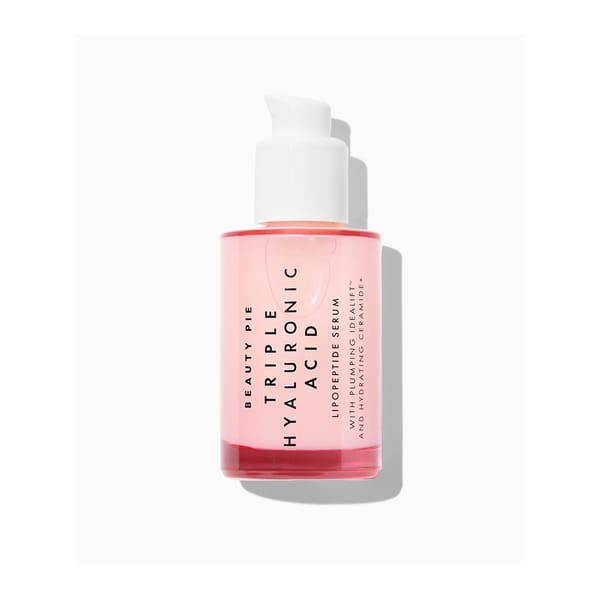
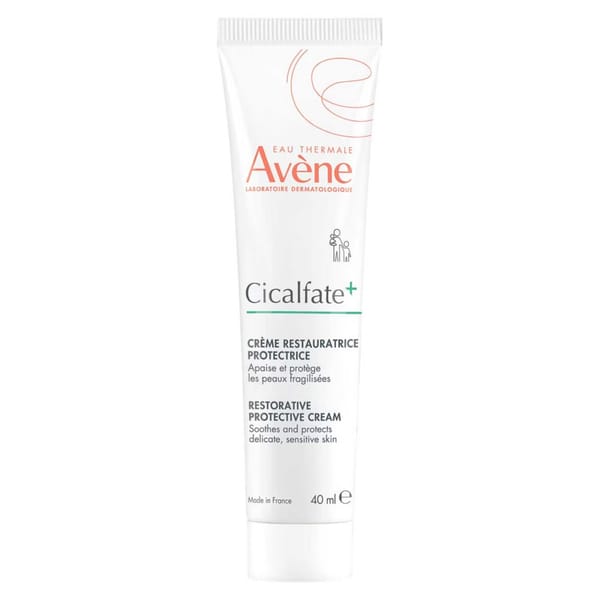
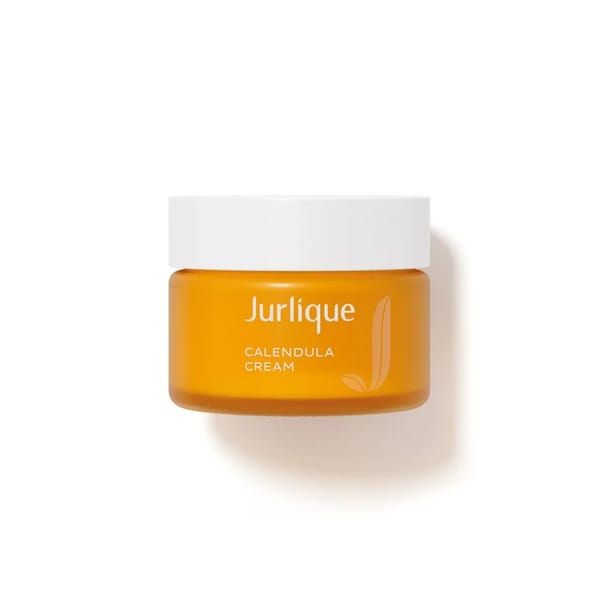
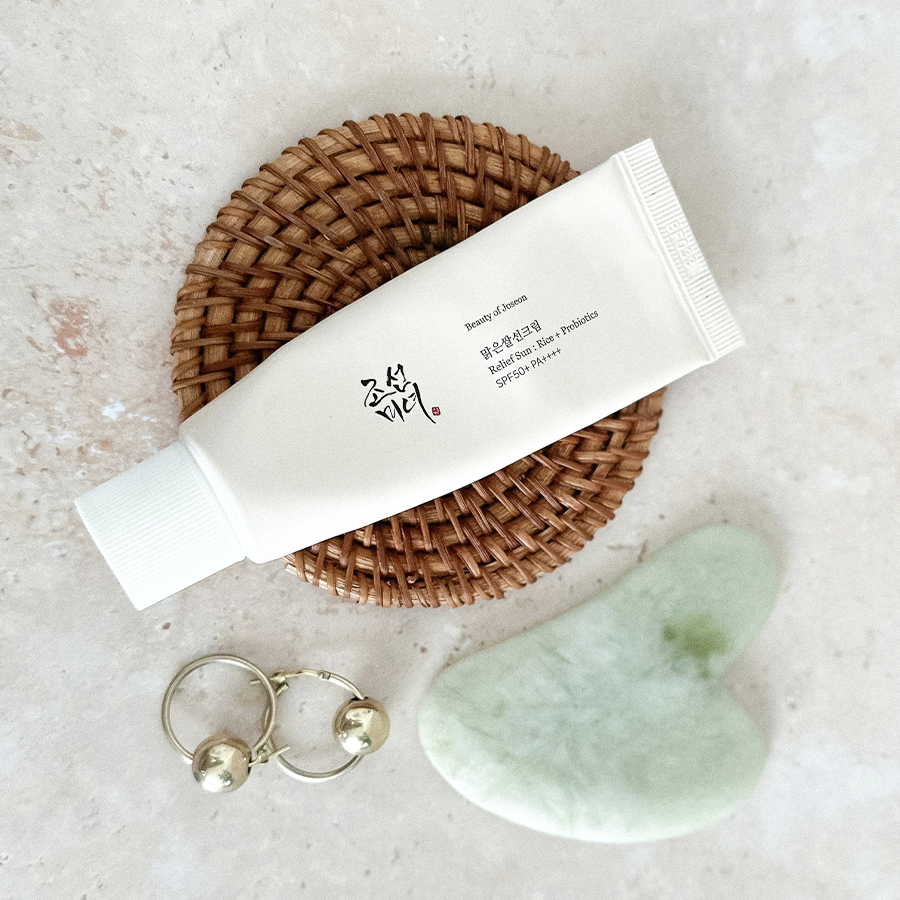
Sun protection is non-negotiable
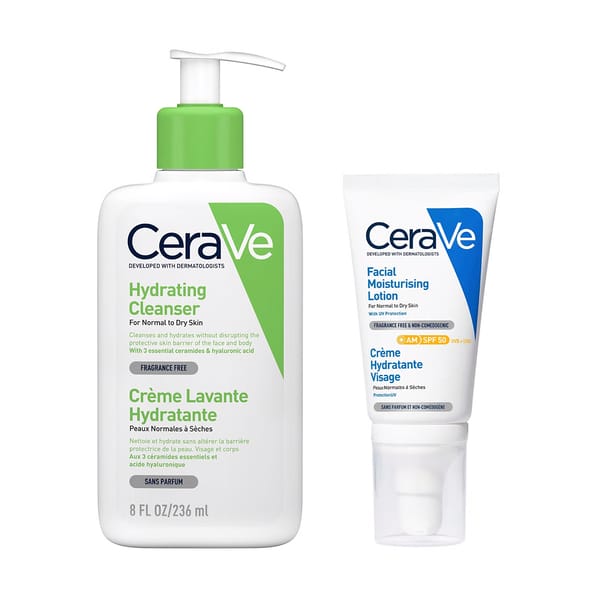
Many treatments heighten photosensitivity. So, use:
- Broad-spectrum SPF 30 or higher
- Mineral-based (zinc oxide or titanium dioxide) sunscreens—less likely to irritate.
- No added fragrance or alcohol
Hair may thin, shed, or fall out, but maintaining scalp health and gentle handling can make a difference.
Haircare
Hair may thin, shed, or fall out, but maintaining scalp health and gentle handling can make a difference. “Treat your hair and scalp like silk. Use your hands, wide combs, and soft brushes only. Avoid tugging—your scalp needs love, not pressure,” says celebrity hair stylist Luke Hersheson.
Dos
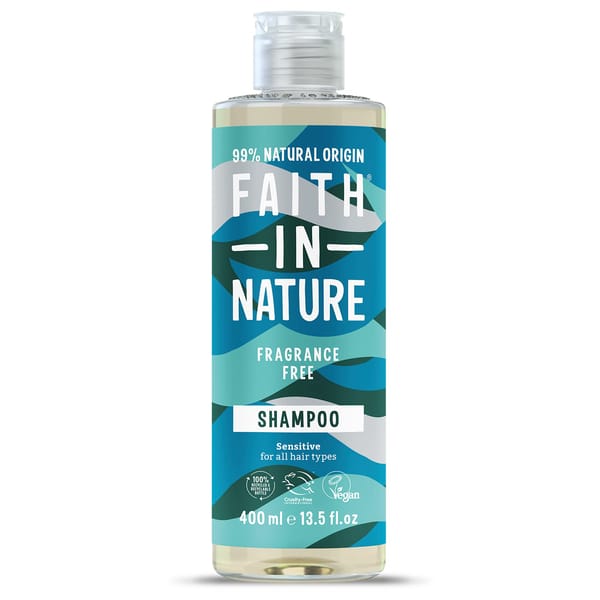
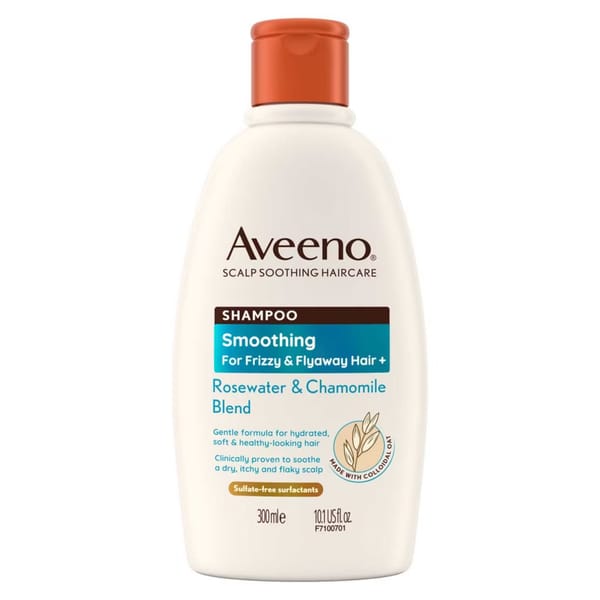
- Use sulphate-free, fragrance-free shampoos.
- Wash less frequently—2–3 times per week.
- Pat dry with a microfibre towel—no rubbing.
- Detangle gently using a wide-tooth comb.
Don’ts
- Avoid tight hairstyles or anything pulling on the scalp.
- Skip heat styling, bleaching, or chemical treatments.
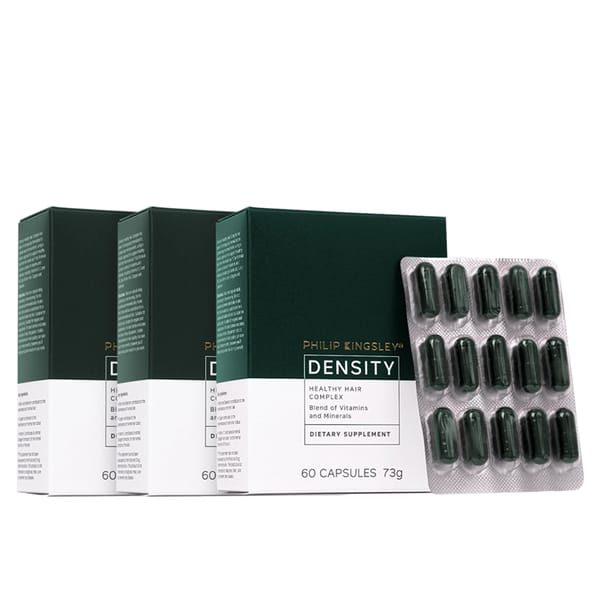
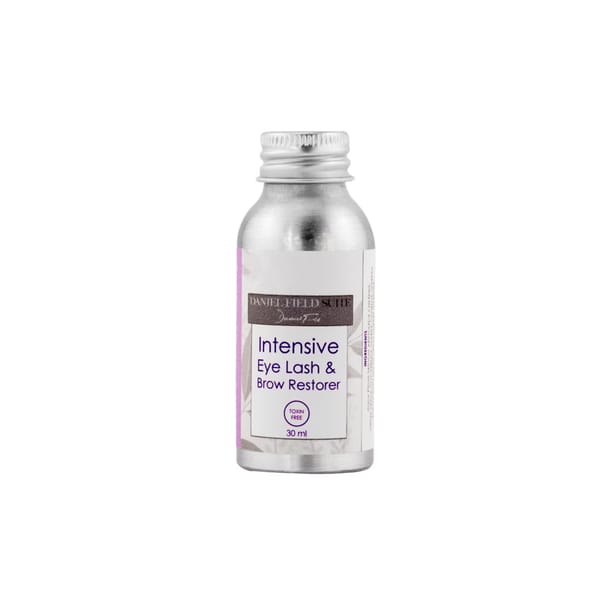
Gentle haircare products
Makeup
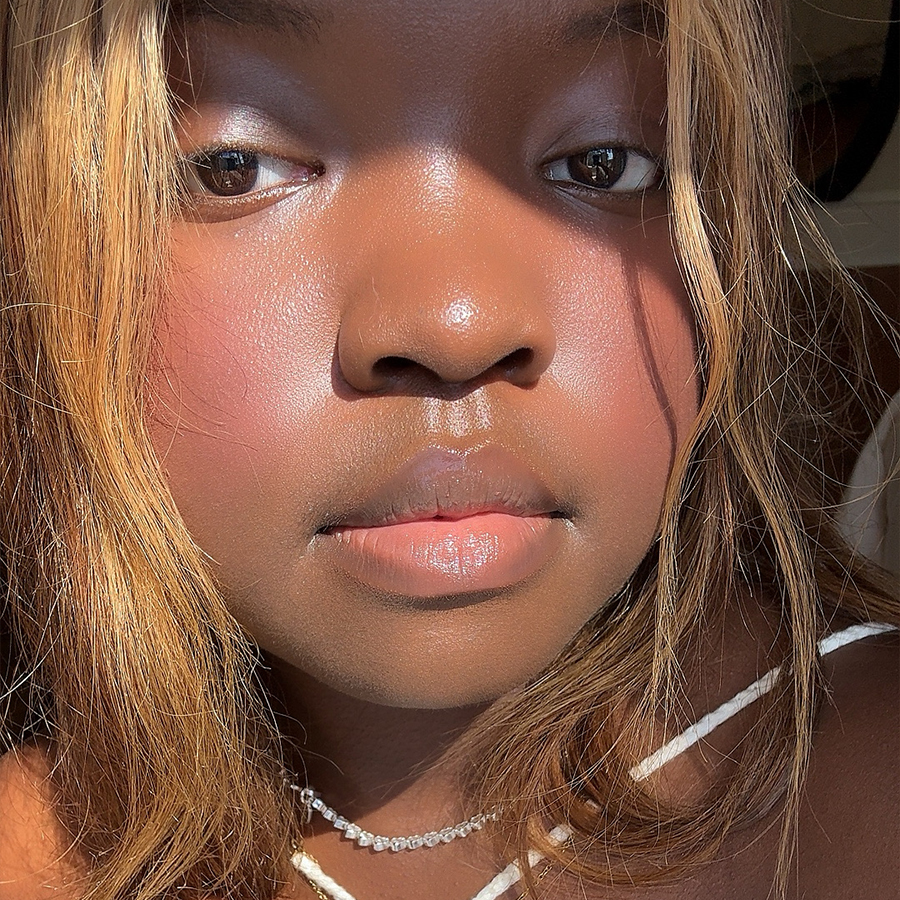
Makeup can offer a creative outlet and a confidence boost. The key is using products that are both safe and soothing.
What to look for
- Fragrance-free and non-comedogenic formulas
- Cream-based products: Easier on dry or flaking skin
- Mineral makeup: Often purer and gentler
- Brow pencils or stencils: Helpful if brows are thin or disappear
- Hypoallergenic mascara: If using during the early stages of hair loss
Safe makeup tips
- Always clean brushes and applicators regularly to avoid infection.
- Replace mascara every 3 months—even sooner during treatment.
- If unsure, choose products labelled for sensitive skin or recommended by oncology aestheticians.
It’s not just skincare and makeup that matter, but every product you use on your body.
Bodycare/deodorants
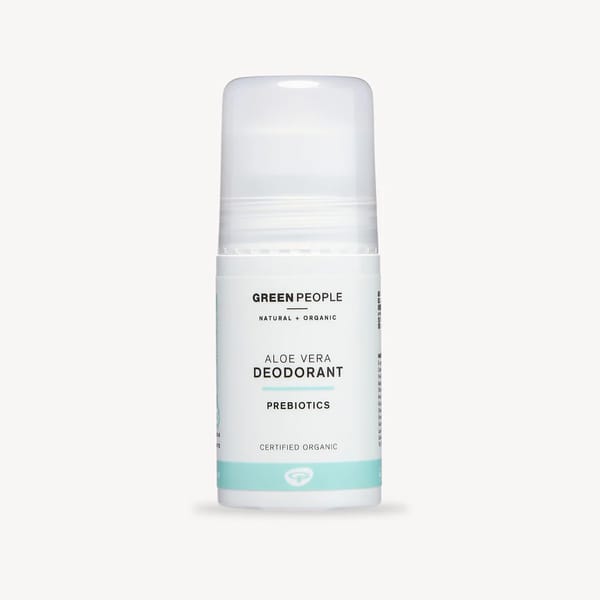
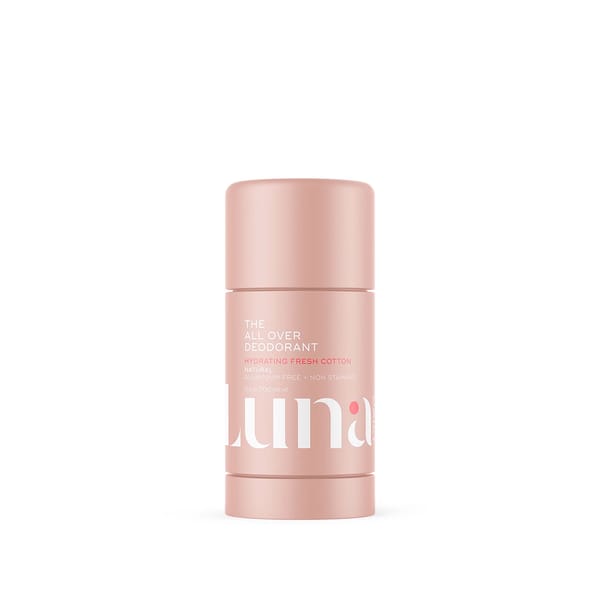
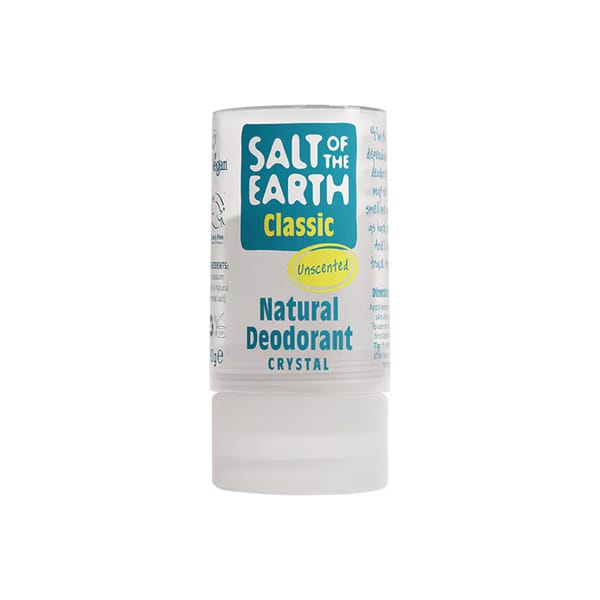
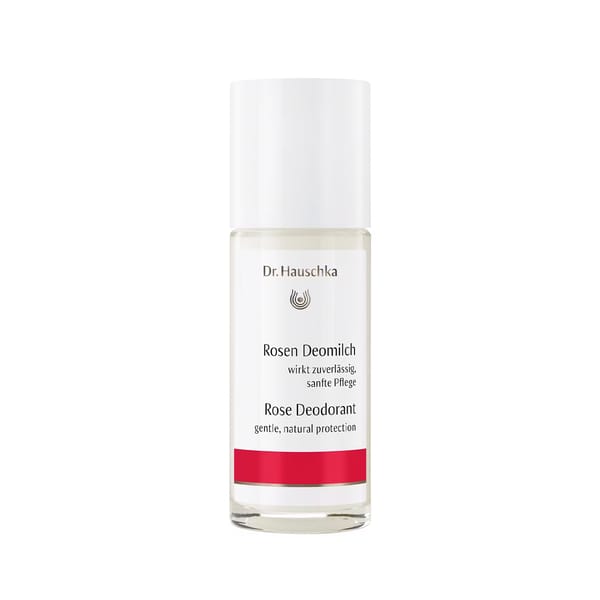
When undergoing cancer treatment, it’s not just skincare and makeup that matter, but every product you use on your body. Dr. Philip Devlin, an Oncologist at Harvard University, says that “using a deodorant that contains aluminium while undergoing radiotherapy will form a high risk of skin toxicity”. It’s time to consider the switch. Here are some suggestions of alcohol-free, aluminium-free, and fragrance-free formulas that still feel and smell luxe.
Additional resources and support
• lookgoodfeelbetter.co.uk
• macmillan.org.uk
• cancerhaircare.co.uk
• Lucinda Ellery
• HeadWrappers
• C-Lash
If you or someone you know is currently undergoing cancer treatment and considering beauty or aesthetic treatments, please remember that everyone’s medical situation is unique. It is essential to consult with your oncologist or healthcare team before starting any new beauty regimen or treatment, as some products or procedures may not be suitable during certain stages of cancer therapy
The products on this page have been selected by our editorial team, however, The Handbook may make a small commission on some products purchased through affiliate links.