How Gen Z Is Redefining Horror
Halloween is just around the corner, and if you haven’t noticed, there’s something of a resurgence in the horror film genre amongst Gen Z. Both Obsession and Backrooms, which were released earlier this year, prove this, as well as the growing popularity amongst the generation of more original films like Midsommar. But what’s made the genre have such a boost in appeal for younger audiences?
The success of Obsession and Backrooms
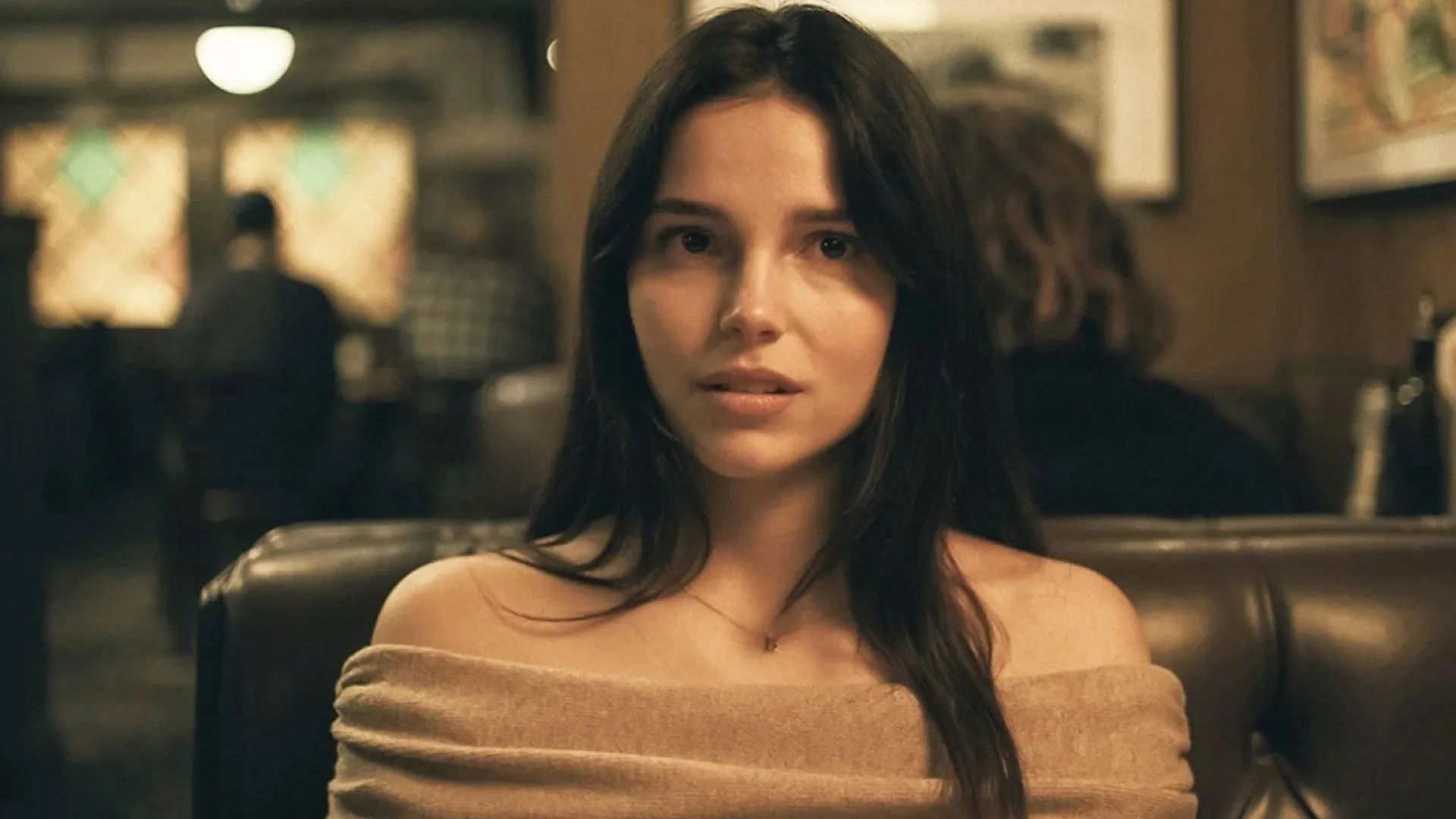
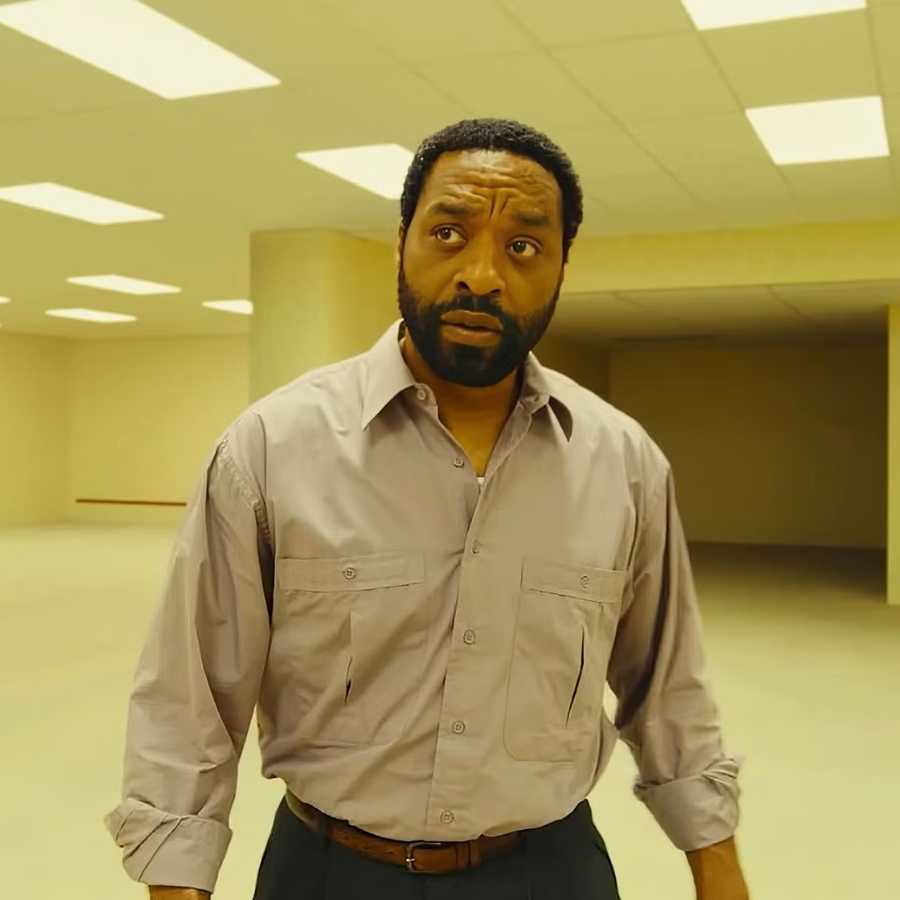
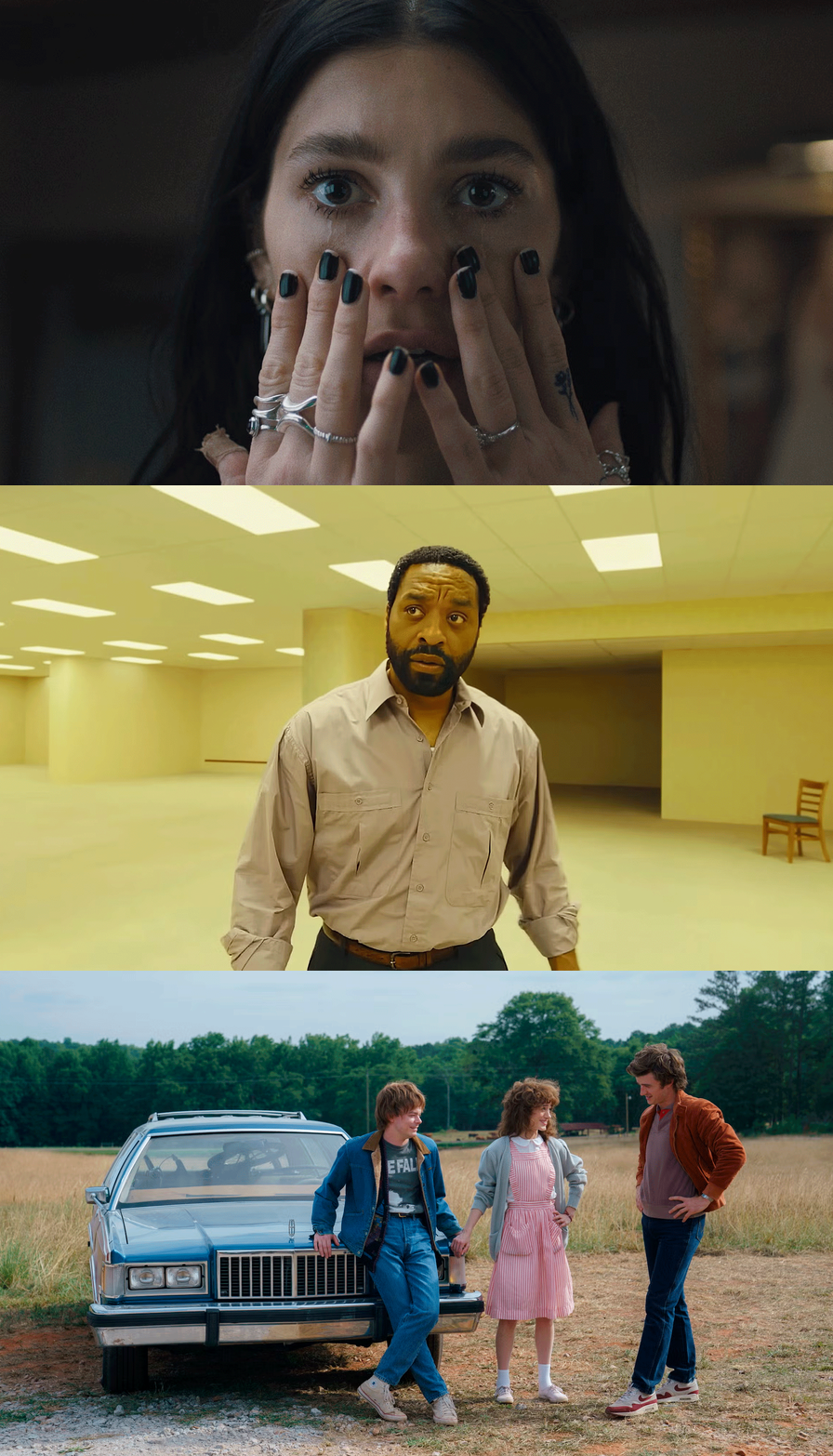
There’s been plenty written about Obsession and Backrooms already: namely that they’re both made by Gen Z directors and are original, rather than a sequel to one of the endless horror franchises that have dominated the genre for so long. Obsession became a breakout hit that nobody saw coming, catapulting Inde Navarrette and director Curry Barker into the limelight.
Obsession became a breakout hit that nobody saw coming, catapulting Inde Navarrette and director Curry Barker into the limelight.
Rufus, Contributing Entertainment Writer

Backrooms was based on a popular meme on the internet, as well as director Kane Parsons’ own animated YouTube series, which is why the script landed A24 as the producer and established stars Chiwetel Ejiofor and Renate Reinsve as leads. Both films also seem to relate closely to anxieties we all share, but that Gen Z seems to be experiencing in particular right now: relationship worries and how well they fit in with Obsession, and worries about isolation, loneliness, and technology in Backrooms.
A communal cinematic experience
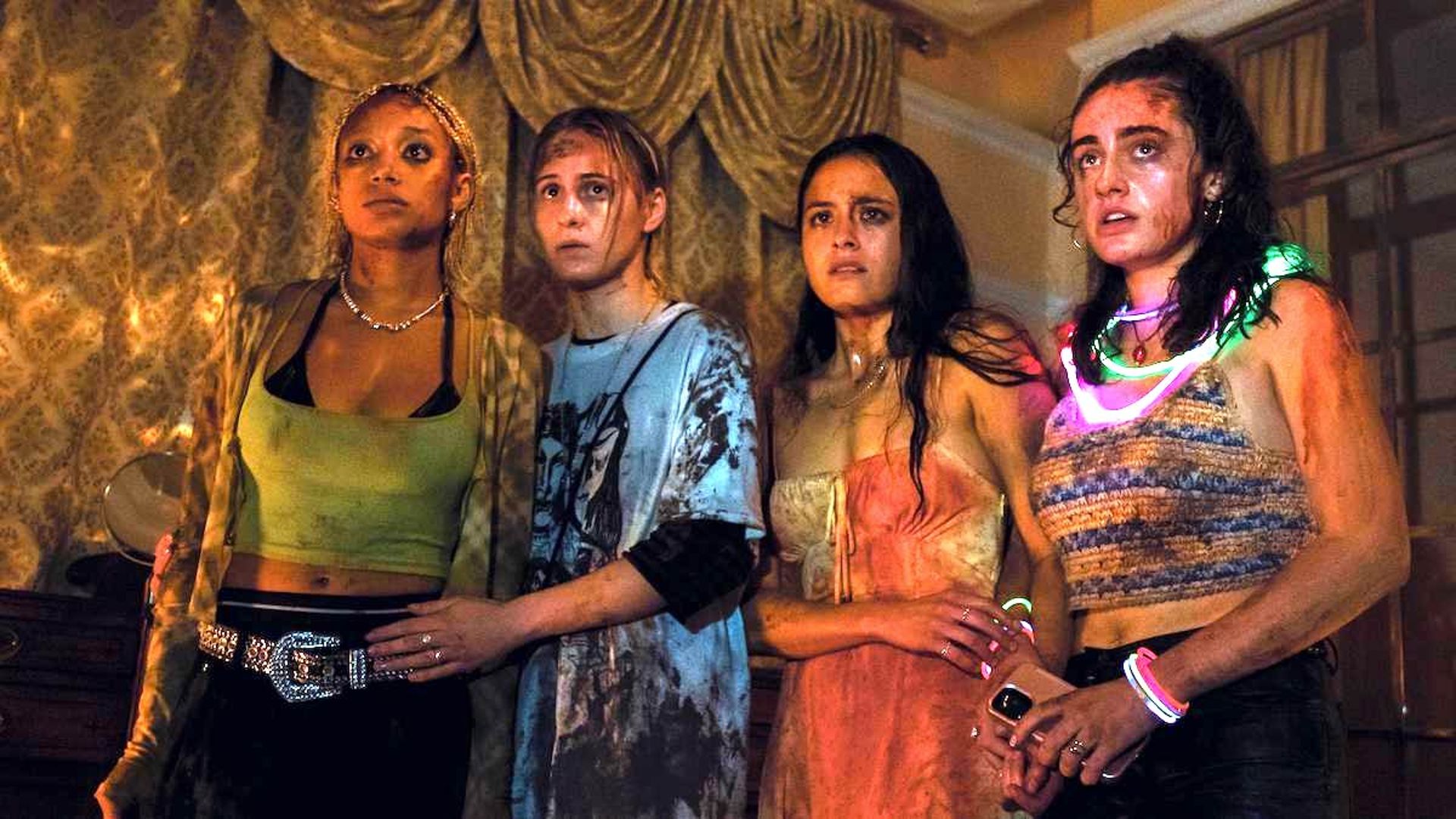
Despite those films’ huge successes, an even more quintessential “Gen Z horror” might be Bodies Bodies Bodies, which, though it got less attention, still earned plenty of good reviews and starred a few up-and-coming stars, like Rachel Sennott, Myha’la, Pete Davidson, and Chase Sui Wonders. It follows a group of friends at a house party whose party game goes very wrong. It’s told in a very satirical way, lampooning our overreliance on smartphones and the internet, and characters constantly engage in “therapy speak”.
All of this suggests that Gen Z is not only looking for films that speak to them, allowing them to carve an identity of their own in pop culture, but also for a more communal experience in cinema. There will always be an audience for horror films, no matter how well or poorly they do at the box office, because teens will always enjoy being scared with their mates in an audience. The successes of films like Obsession and Backrooms, though, indicate that in an age of streaming, social media, working from home, and a general fracturing of shared pop culture, younger viewers want some of that communal feeling back.
In an age of streaming, social media, working from home, and a general fracturing of shared pop culture, younger viewers want some of that communal feeling back.
Horror on streaming platforms
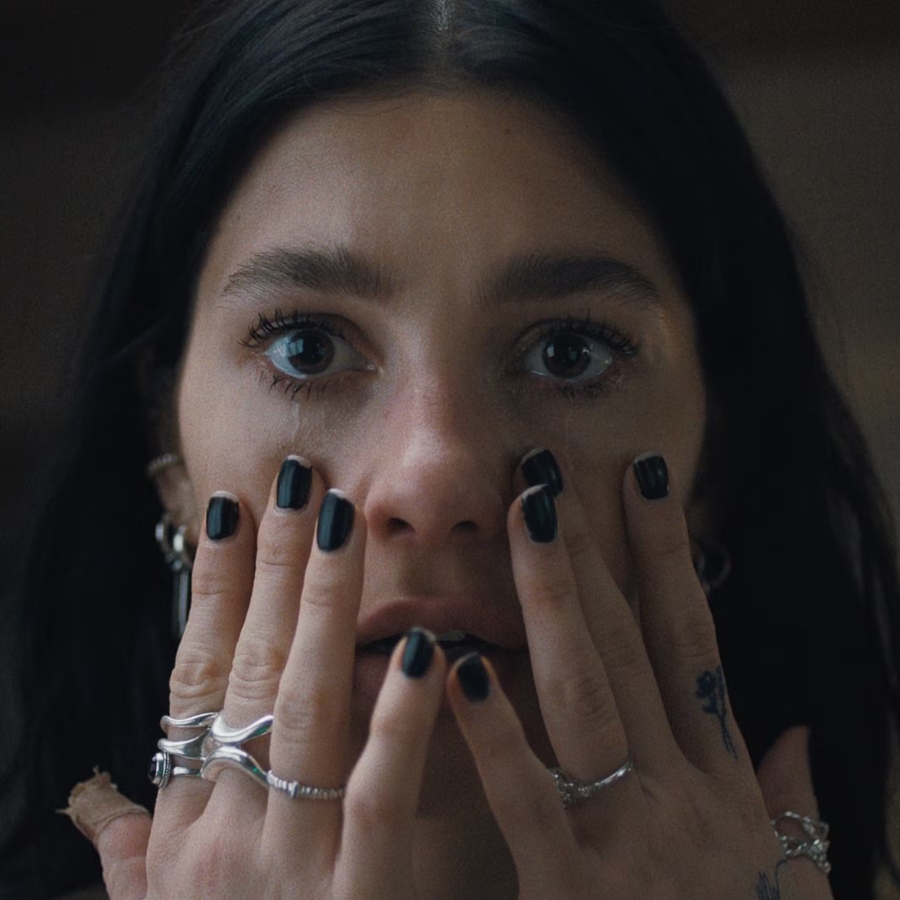
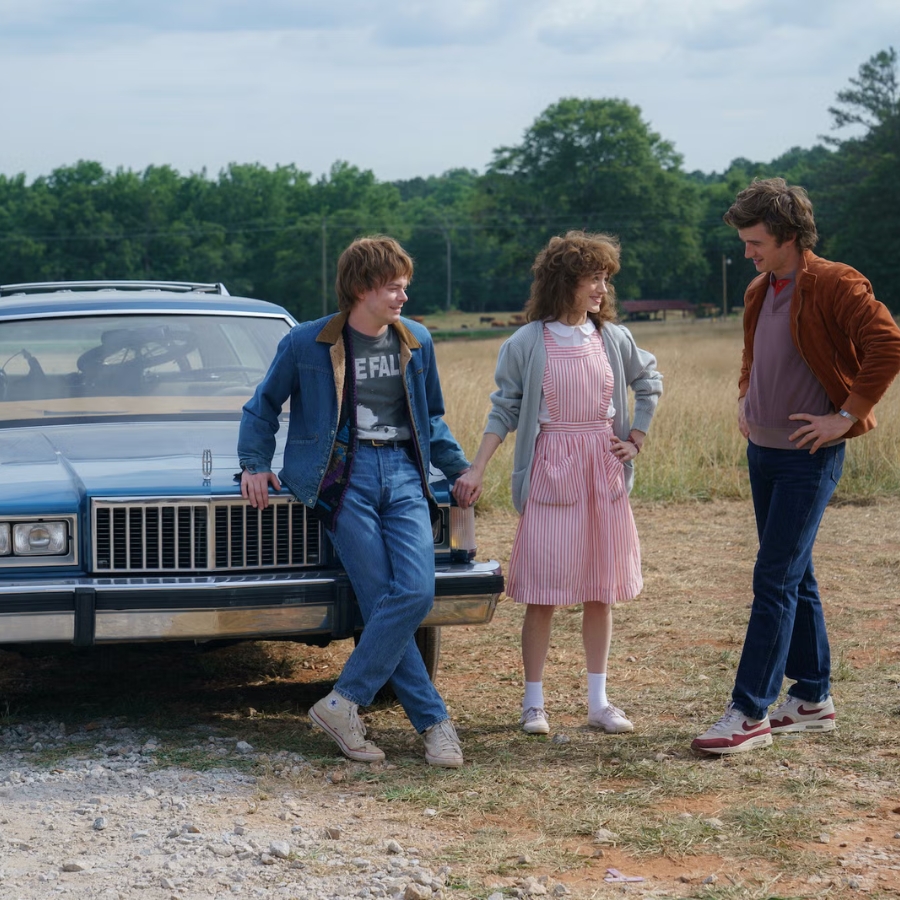
Even if something’s on streaming, there are still ways to make it more of a shared experience. While Wednesday isn’t really a horror series, it has gothic macabre elements, and was embraced immediately on social media in its first season. Stranger Things, a sci-fi horror, that began in 2016, and was aimed partly at the generations that grew up with the 80s, certainly found popularity amongst Gen Z on the internet. And there’s been plenty of other more “full-on” horror streaming shows that have gained popularity, from Something Very Bad Is Going to Happen earlier this year to The Haunting of Hill House.
It should be noted, though, that while I mentioned the fact that a lot of modern horror that appeals to Gen Z is more original and not as tied to franchises, there are still a few longer-running film series that have found new audiences: the Scream franchise became popular again at the box office, again powered in part by younger stars like Jenna Ortega and Jack Quaid.
It feels as though the horror genre has moved from being associated with endless cheap jump-scare movies and overly violent slasher films to a smarter and more interesting genre in the public mind. Horror has always reflected our anxieties and societal issues, going right back to the original Frankenstein novel, but Gen Z is finally getting stories that reflect the problems close to them. There’s plenty of talk about how this very online generation is the most anxious one- so doesn’t it make sense for there to be plenty of scary potential in what we fear?
It feels as though the horror genre has moved from being associated with endless cheap jump-scare movies and overly violent slasher films to a smarter and more interesting genre in the public mind.