Is Uplifting Hopecore TV The Next Big Viewing Trend?
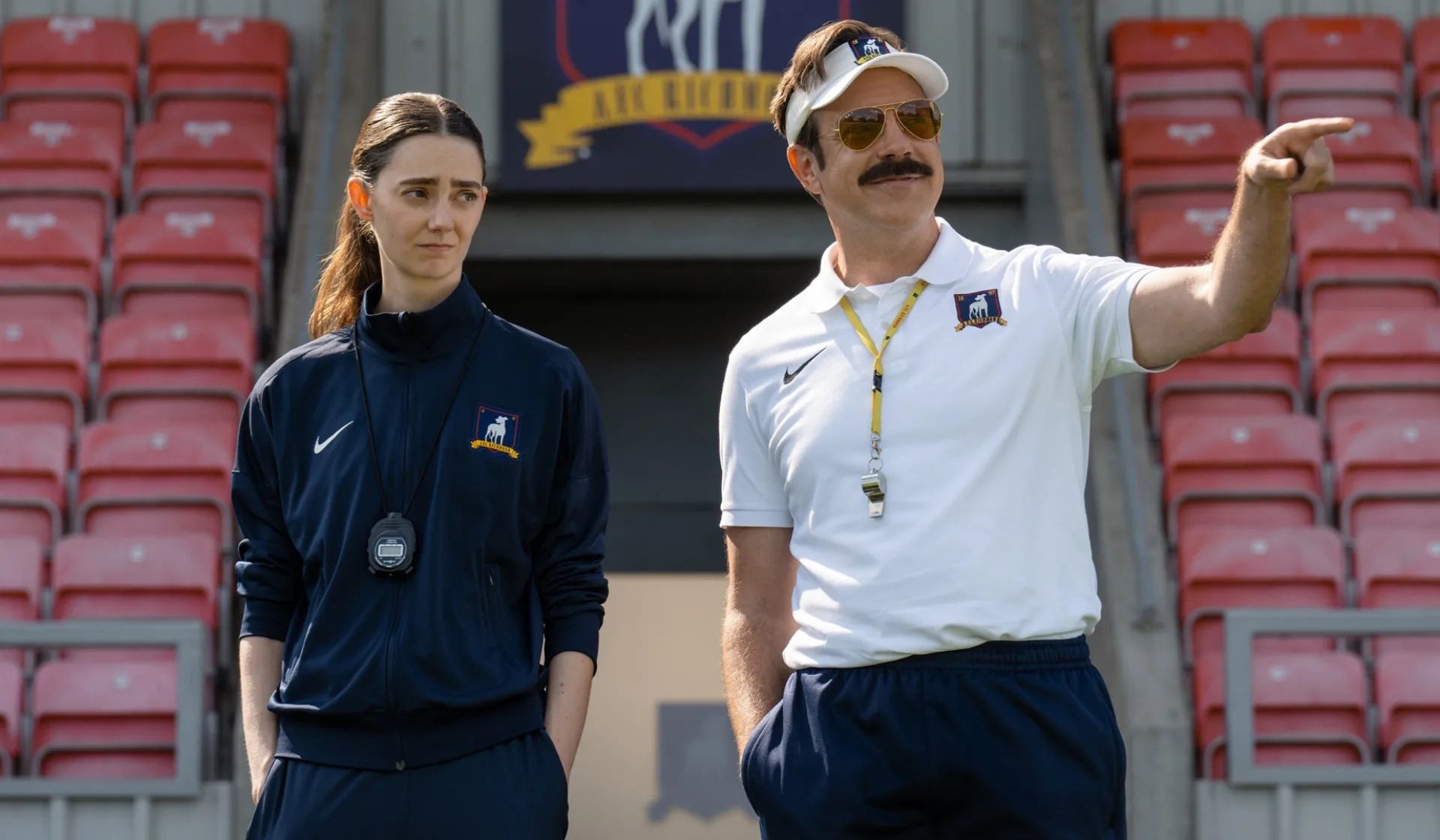
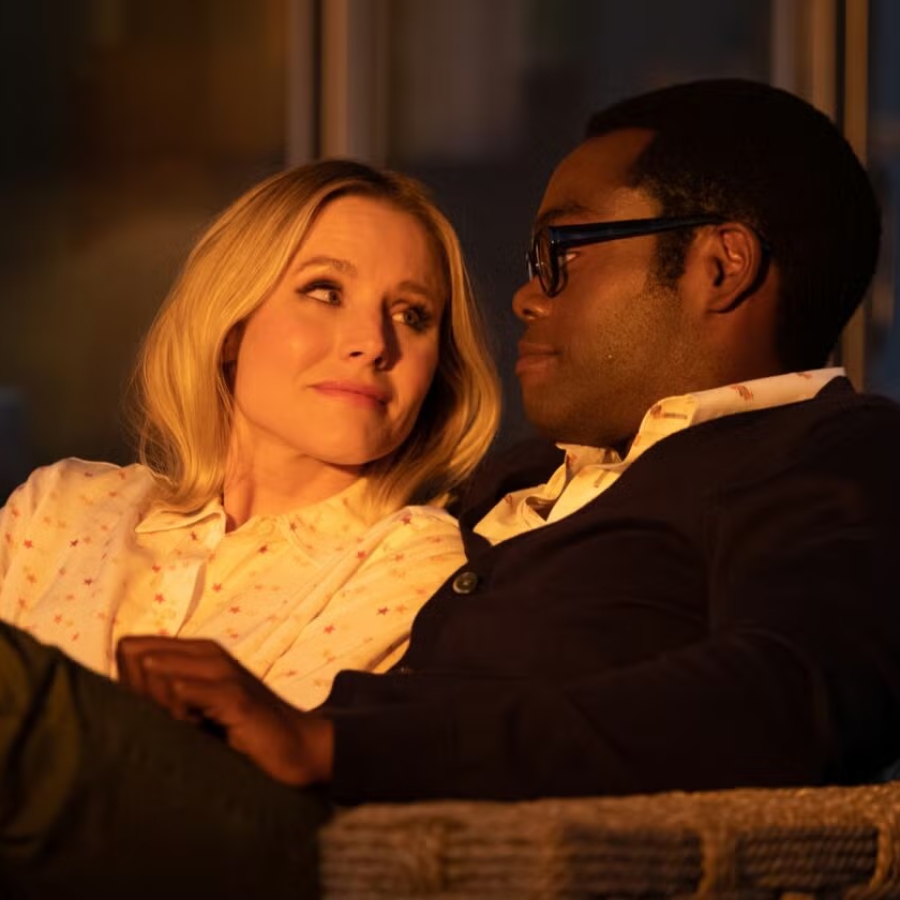
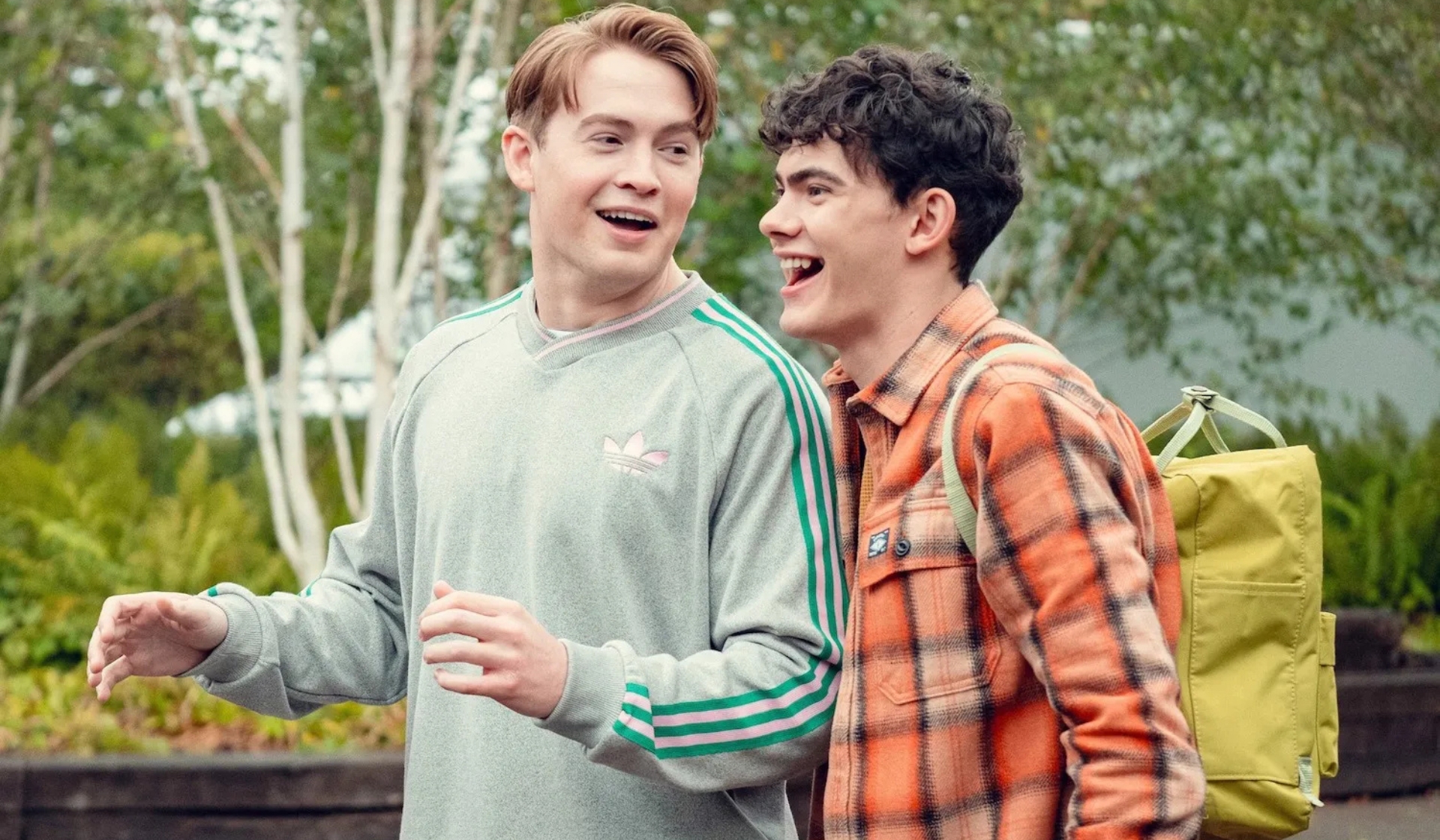
Ted Lasso, The Good Place, Heartstopper– are we seeing a rise in feel-good TV? For so long, it seemed that everything we watched on the small screen was dark, gritty and full of antiheroes- Game of Thrones, Breaking Bad and Peaky Blinders all seemed to dominate. But now perhaps we’re looking for more escapism and positivity, not unlike the Hopecore trend that’s spawned on TikTok and beyond. Is uplifting fun the next big thing? We take a look.
What is Hopecore anyway, and what’s causing the rise of positive TV?

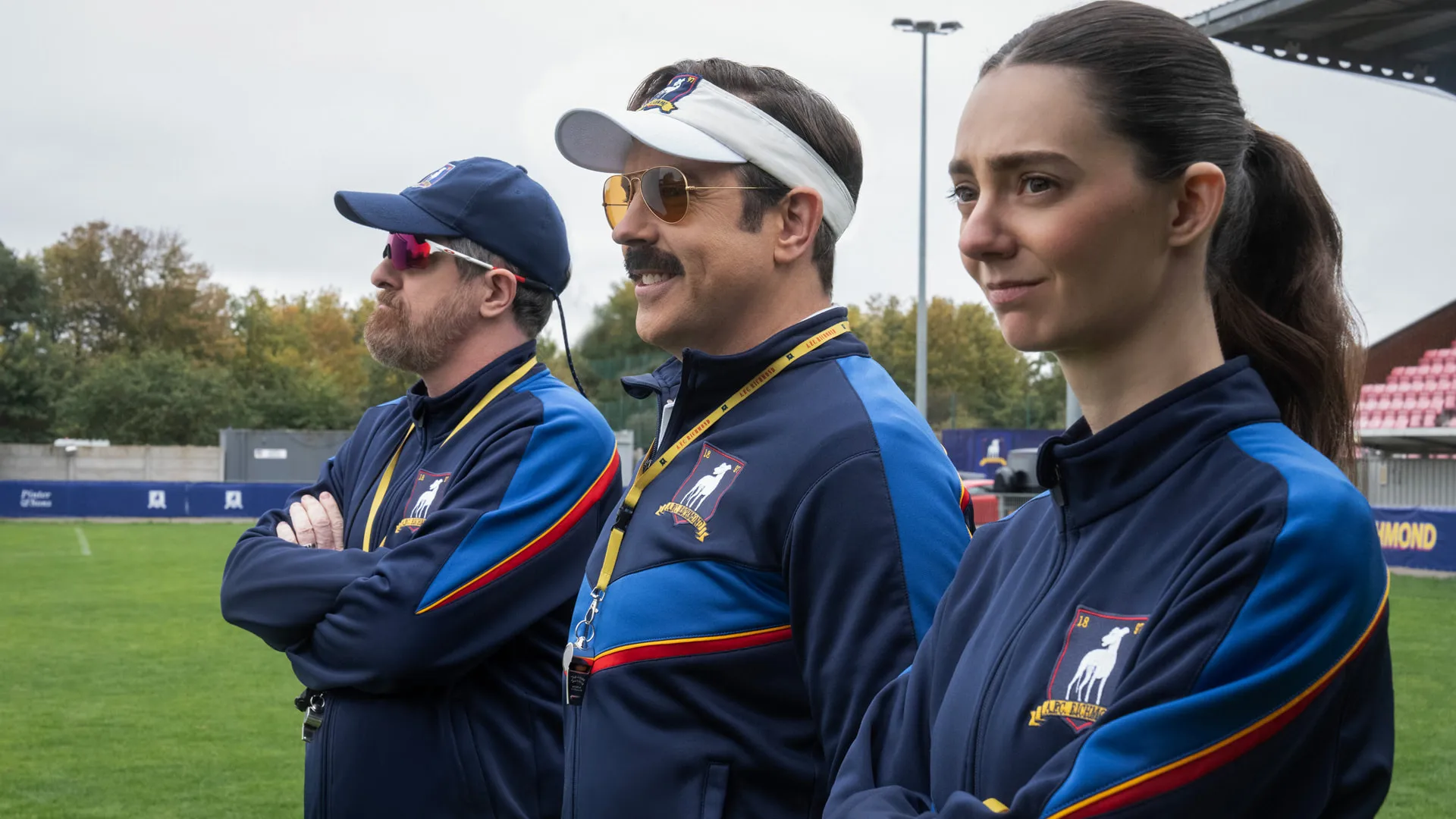
The “Hopecore” trend has risen in popularity and appeal in the last few years, seemingly as a reaction to the usual things that get us down: the news, cost of living, and general negativity on social media and elsewhere in life. With so much going on, it’s not surprising perhaps that shows like Ted Lasso became such a hit, a more positive and uplifting antidote to our problems. In that show, while everything obviously isn’t sunshine and rainbows for Ted (that would be dull), the world and the characters that inhabit it seem upbeat, cooperative and, yes, hopeful, unlike a lot of other stuff out there.
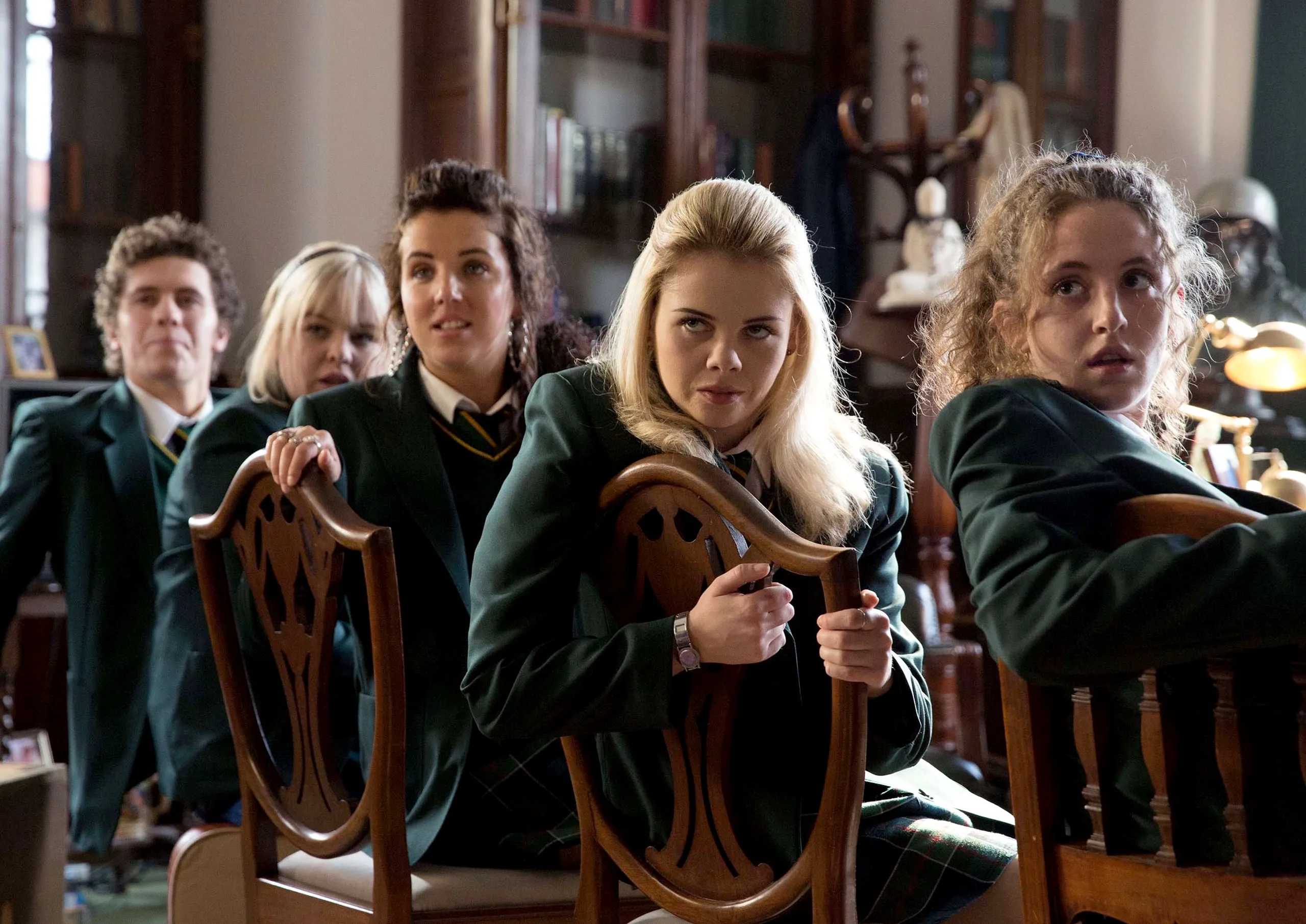
Derry Girls, which became a hit with critics and viewers, definitely tackled some tricky themes, but did so in a way that wasn’t dour and depressing. It’s not just societal issues that seem to be igniting a desire for something more upbeat, but TV trends in general.
With so much going on, it’s not surprising perhaps that shows like Ted Lasso became such a hit, a more positive and uplifting antidote to our problems.
Rufus, Contributing Entertainment Writer

Much of the prestige TV era has unsurprisingly been dominated by grim dramas about bad or at least very flawed people living miserable lives. Game of Thrones not only has plenty of death and destruction, but even looks visually bleak; The Last of Us is set in the post-apocalypse, and much of the appeal of The Crown is dramatising the Royal Family’s most difficult chapters.
Even shows that are more comedic, like Succession, Fleabag and The White Lotus, are layered in serious misfortune. And that’s not to mention shows like The Bear being labelled a comedy and yet having some of the tensest drama on TV.
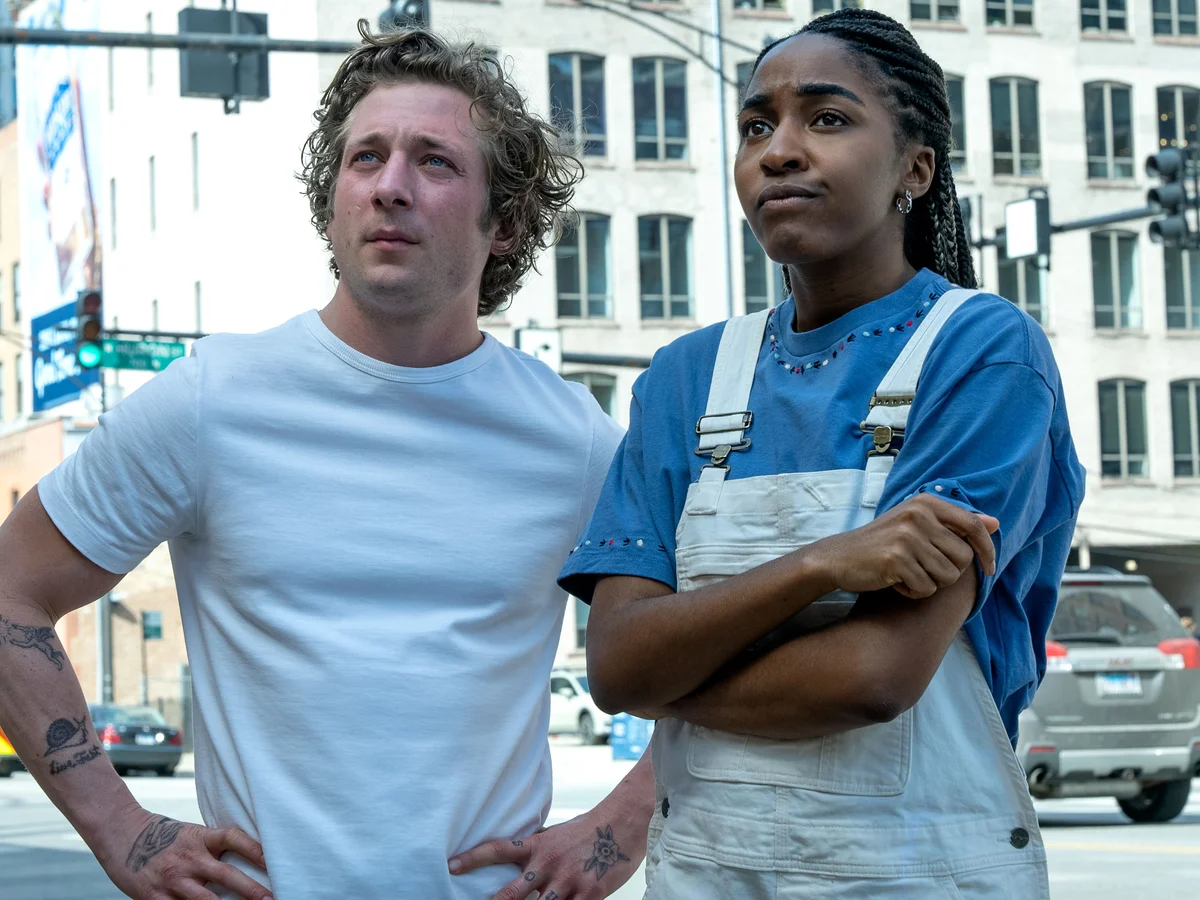
Much of the prestige TV era has unsurprisingly been dominated by grim dramas about bad or at least very flawed people living miserable lives.
Changing the channel
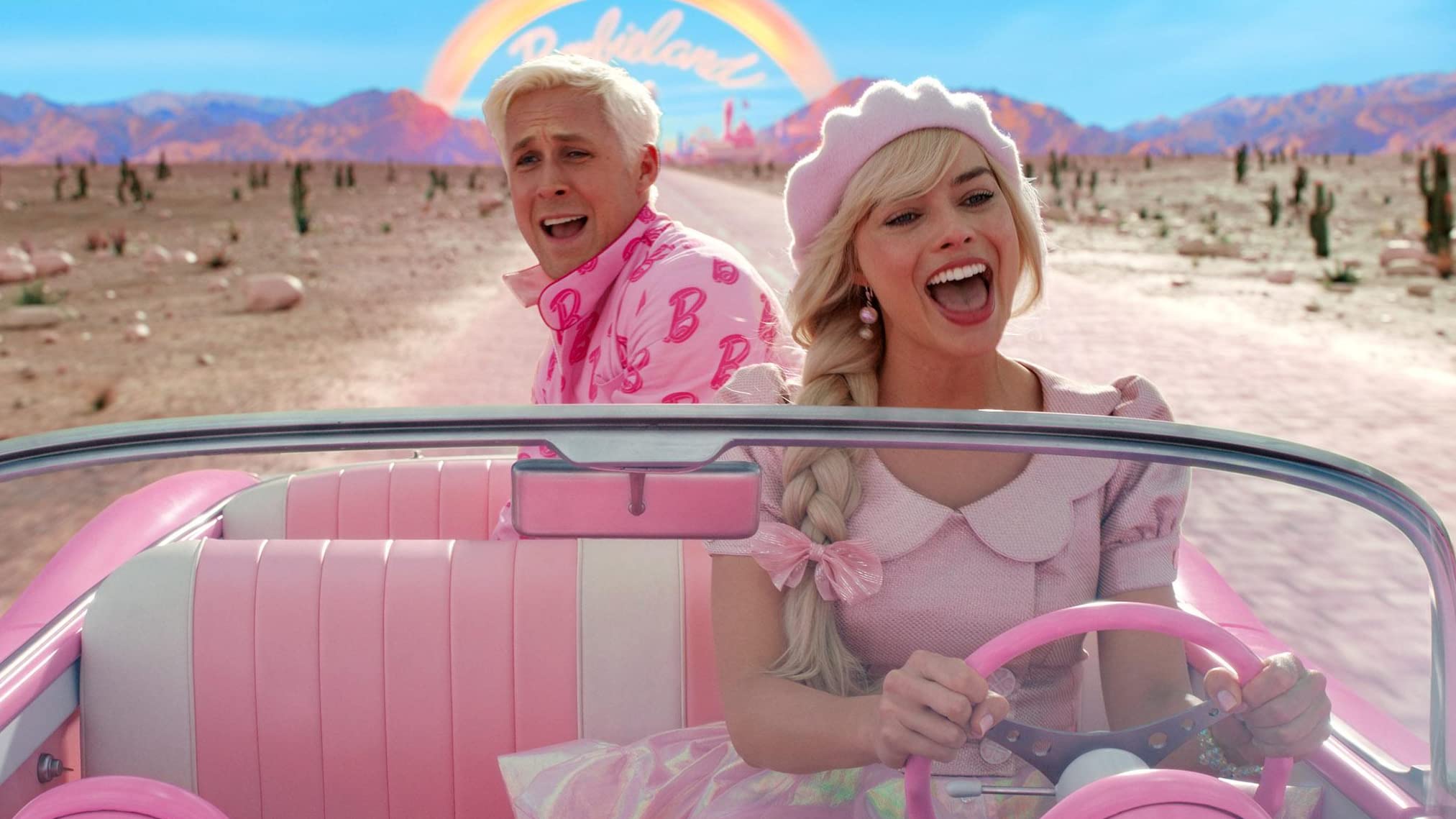
So it’s no wonder that we seem to be leaning toward more happy-go-lucky entertainment. While we’re mostly talking about TV in this article, it’s notable too that some big cinematic hits have been more “feel-good”. Barbie back in 2023 had an uplifting message and plenty of laughs (and of course being a perfect foil for Oppenheimer), while last year Superman returned to screens for some good old-fashioned blue-and-red hope to a world needing it.
It does feel like there’s a growing demand for something more comforting, without many ironic caveats. When what we watch isn’t all shooting and double-crossing, it gives an injection of hope that our lives can be more like that. While I’m not one to have a moral panic, a few positive role models seem like a good thing- which is maybe why even children’s shows like Bluey are appreciated by adults.
But how much more positive are TV trends really?
There’s a counterargument to all this: that, in reality, our TV watching habits aren’t that much more positive. Let’s face it- stories about anti-heroes and people leading unhappy lives do have an appeal, and are always popular. Whether it’s from a sense of schadenfreude or a desire to “live on the edge” through entertainment, there are no real signs that grim and gritty shows will stop getting plenty of viewers.
Adolescence, which has a particularly dark and grim premise reflective of modern social media, was one of the biggest hits of 2025, and we’ve just seen the release of the much-anticipated East of Eden, in which Florence Pugh plays the destructive Cathy Ames in a story that’s not short of misery.
True crime is a whole other kettle of fish, proving to still be popular enough to inspire Netflix’s controversial Monster anthology series. And how many more TV shows, movies and books will we get featuring a “tech billionaire” who’s modelled after real-life figures that many people feel particularly negative towards?
Whether it’s from a sense of schadenfreude or a desire to “live on the edge” through entertainment, there are no real signs that grim and gritty shows will stop getting plenty of viewers.
It’s hard to say definitively, as it is with any shift, whether more positive TV shows are here to stay and only get more numerous, but there’s certainly convincing evidence for it. Besides, it may be that as more people talk about it, whether through the hopecore trend or otherwise, we’ll realise that TV can be a bit less heavy and a bit more comforting.