I’m A Film Writer, And These Are The Six Movies That Should Be Remade
If there’s one thing people like to criticise Hollywood for, it’s the sea of remakes, reboots and sequels that indicate a lack of originality and ideas. But there are some films where it might work to take another crack at it. Movie remakes are certainly not a new phenomenon, and stories have been retold since the dawn of time anyway. Not all of these picks were bad films, but I feel that a new, modern version has the potential to add more to their stories and end up being worth it to remake them.
Eragon
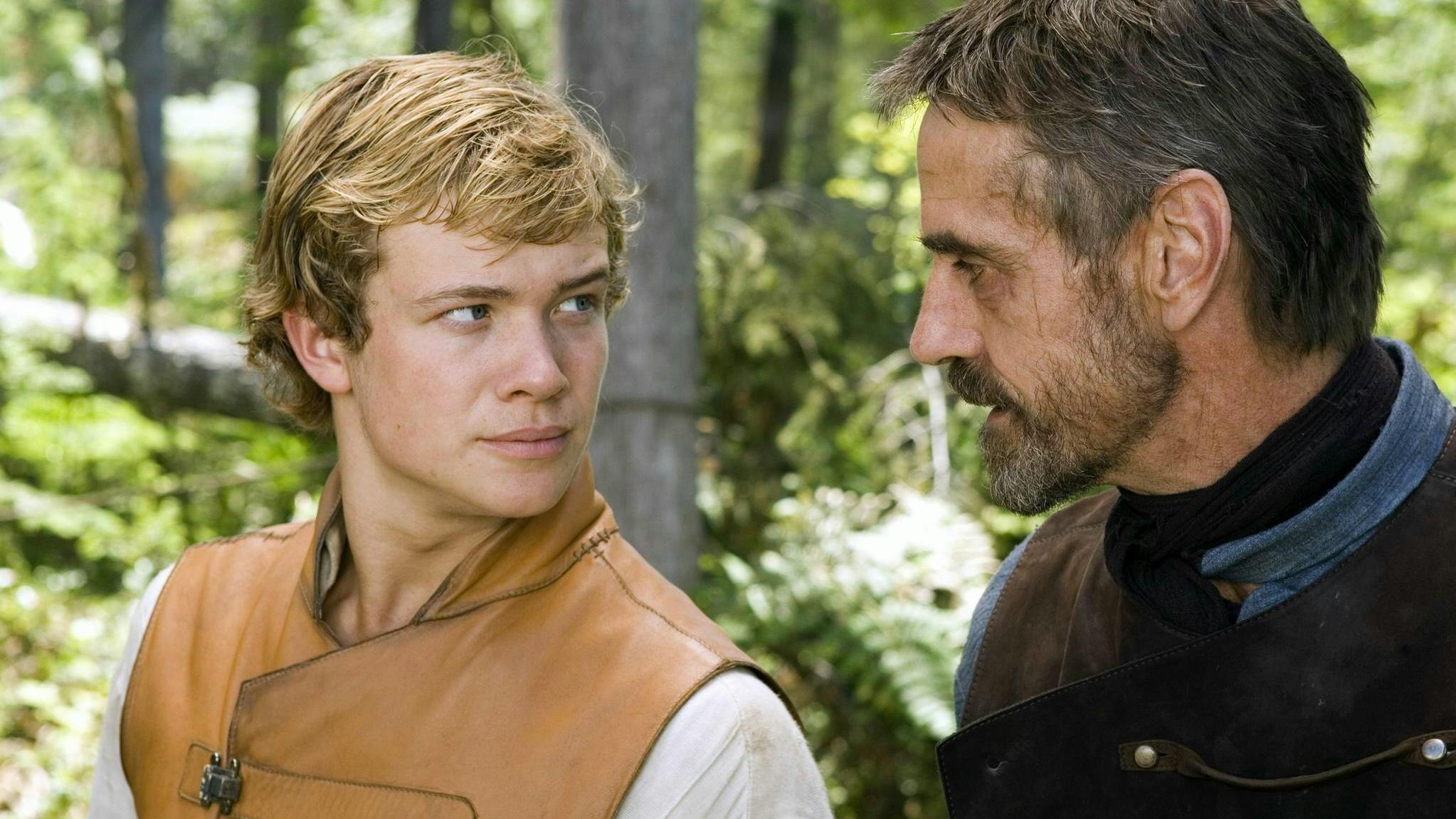
This is a particularly popular choice for a certain age group who might’ve read the original Eragon book as kids/teens, which was part of the loftily named The Inheritance Cycle series. Riding on the wave of fantasy movies like Harry Potter and The Lord of the Rings, the movie version of Eragon was released in the 2000s but was poorly received by critics and fans of the books alike, despite names like Jeremy Irons in the cast. The plot follows a farm boy, Eragon, who discovers a dragon egg, and when it hatches, he forms a bond with the creature he names Saphira. He soon comes into conflict with a villainous king while becoming a dragon rider, meeting his destiny in the process. Considering Potter itself is getting the reboot treatment, a new attempt at Eragon could breathe life into the declining YA genre.
Breakfast at Tiffany’s
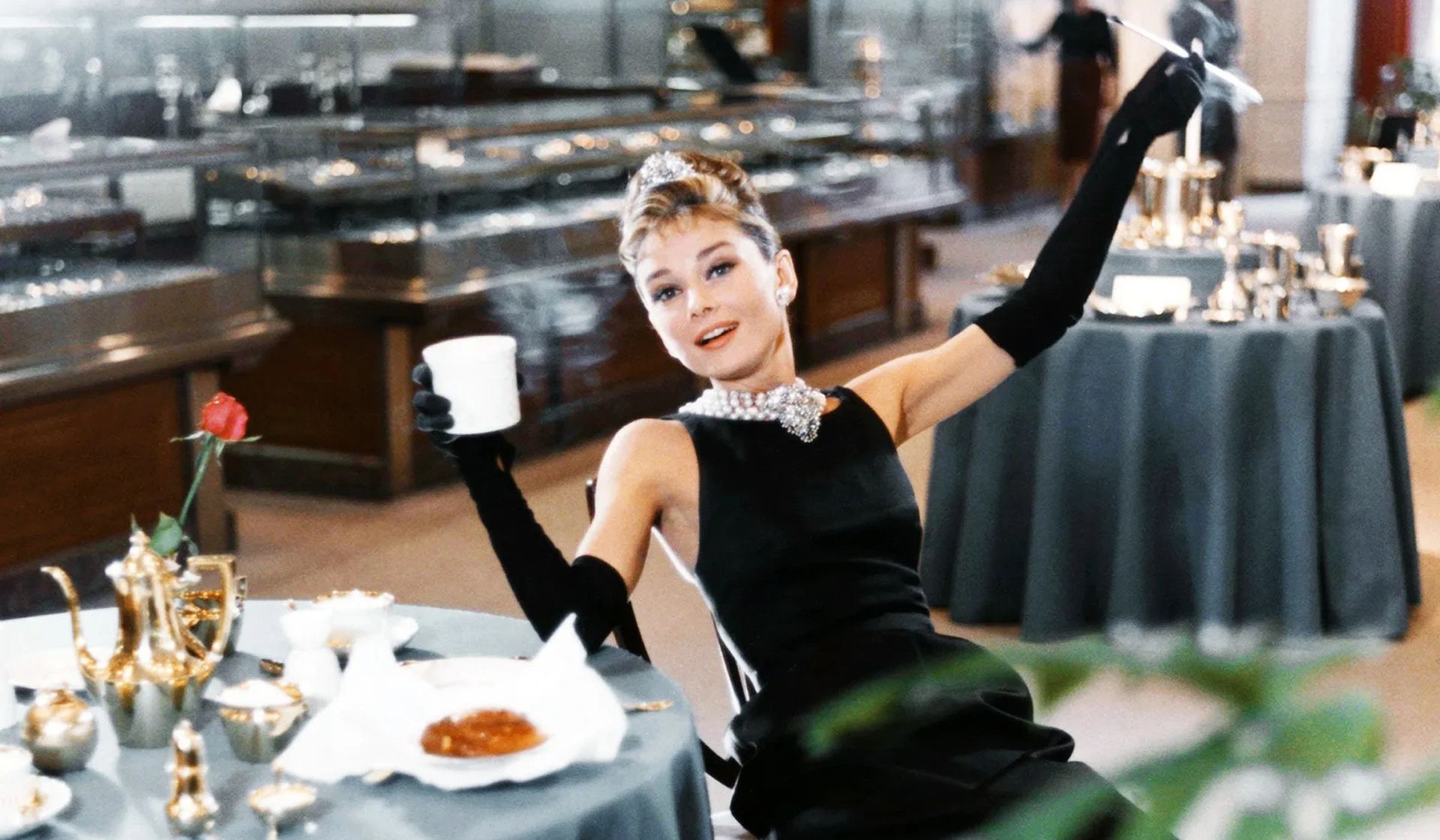
Gasp! How could Breakfast at Tiffany’s get a remake? Audrey Hepburn! Iconic fashion! Moon River! I know, I know. This would surely be the most controversial choice on this list, and the original certainly isn’t bad anyway. So why broach the idea of a remake? It’s well known, of course, that the film has the highly controversial depiction of Mr Yunioshi, a bizarre and insulting caricature of a Japanese man played by Mickey Rooney, which seemed out of place even at the time.
This certainly wouldn’t fly today, but the reason I’m suggesting a remake is more to do with the original novella. The story deviates quite a bit from the writing of author Truman Capote, a gay man who put something of himself in the book’s narrator. There’s no romance between him (named Paul in the film) and Holly Golightly in the book version, which has a few other elements the film missed out, and the result is a more conventional story that loses some of what made the book unique. A remake could allow for a different take closer to the book- though filling Hepburn’s shoes and quelling the fuss it would kick up would be a tall order.
Forbidden Planet
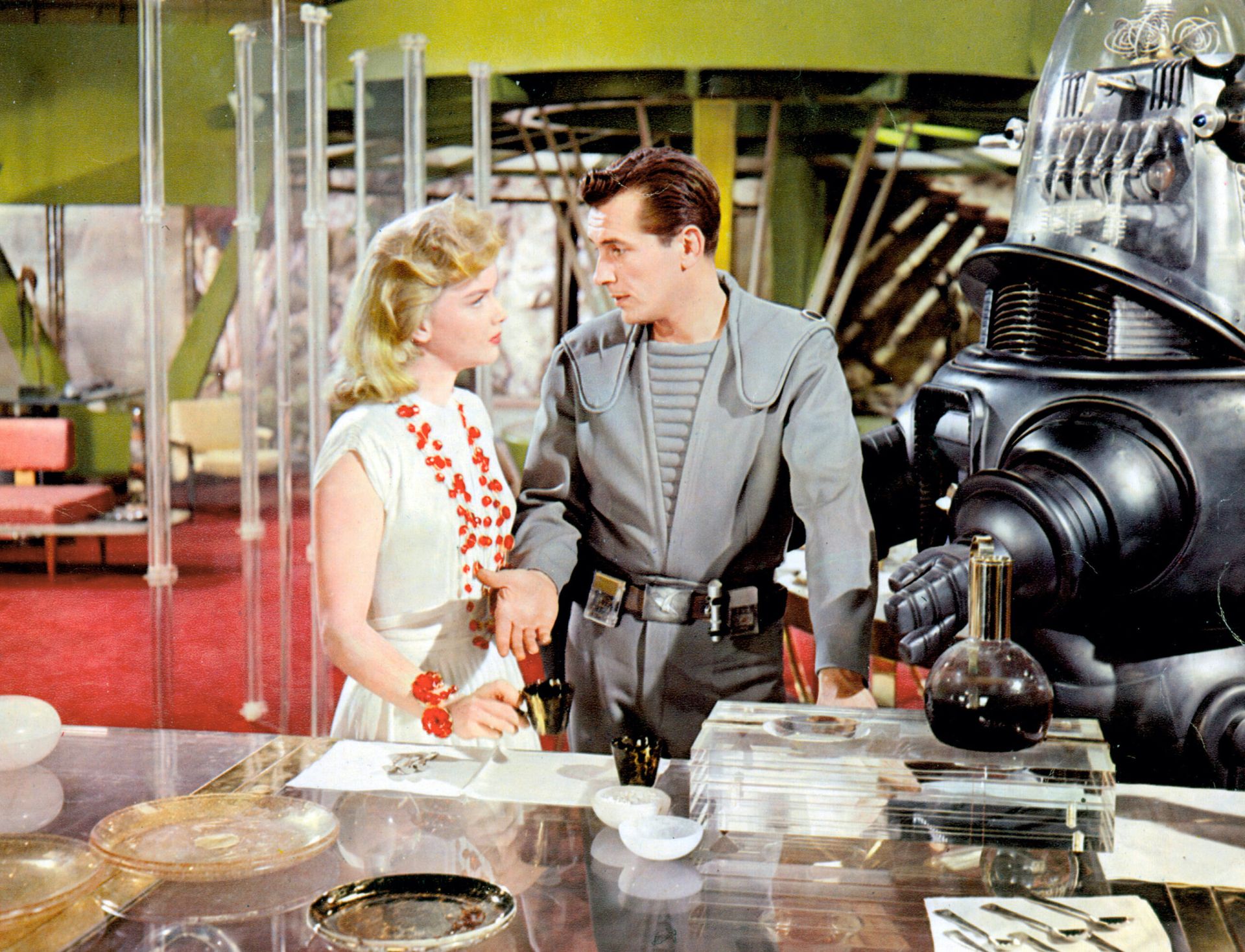
A classic sci-fi film which has been referenced in pop culture many times, Forbidden Planet is another on this list where the original was not a bad film. Set a few centuries in the future, it follows a space crew visiting a planet to investigate why a previous expedition went silent. They discover only a couple of survivors, as well as a robot and a dangerous alien threat. 70 years on, the film is undoubtedly dated (which is not a criticism), but it feels like a fresh take with a strong director could reimagine it in a new way.
Sometimes updating films like this takes away the charm, but a faithful yet creative revisit certainly has the potential to work, while paying respect to the original. Perhaps someone like Denis Villeneuve (who already remade the 80s version of Dune) could ensure it succeeds? As a matter of fact, it was reported that Dune Part Three co-writer Brian K Vaughan was considering the idea of a modern version.
The Bonfire of the Vanities
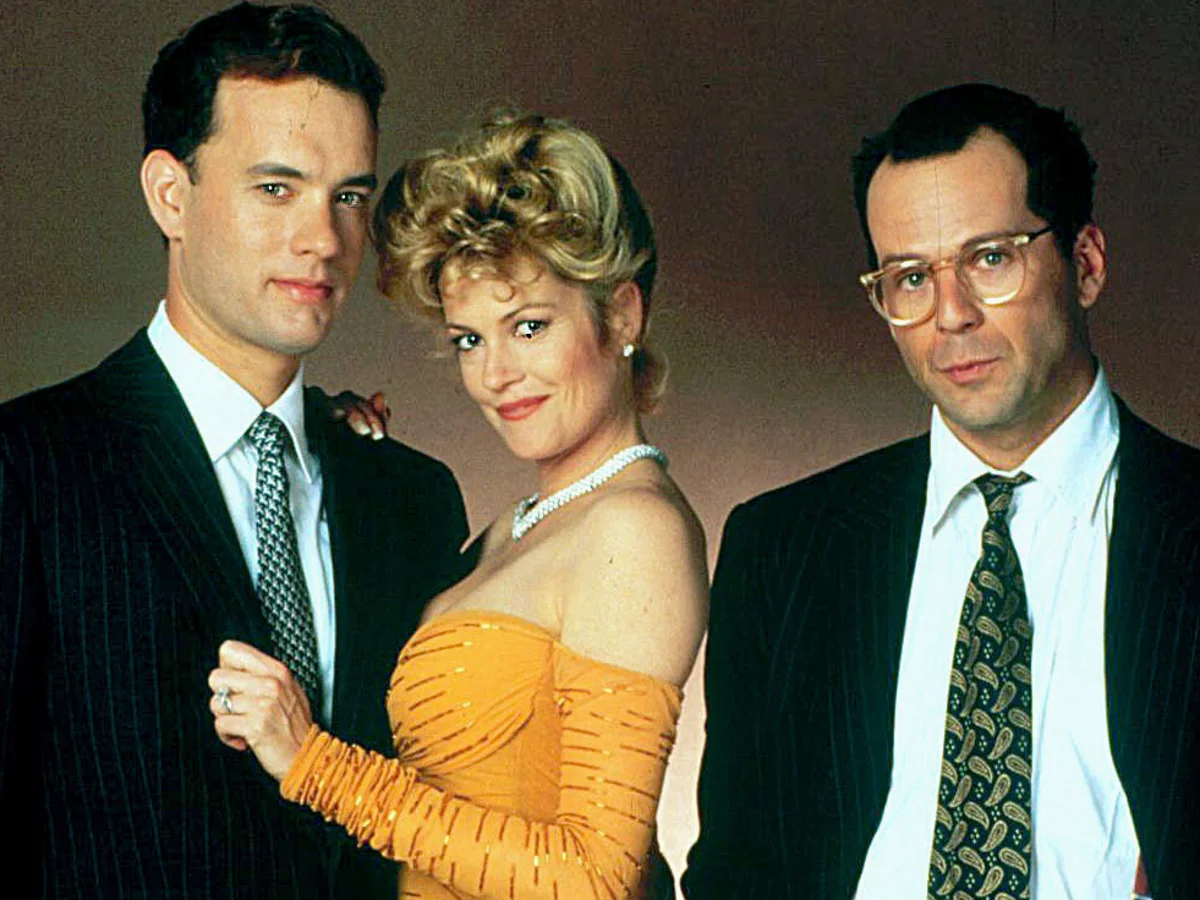
A seminal novel, the likes of Tom Hanks, Bruce Willis and Melanie Griffith, and the director behind films like The Untouchable and Mission: Impossible– how could it go wrong? Unfortunately, 1990’s The Bonfire of the Vanities failed to take off, with bad reviews, low box office and even a book that chronicled what went wrong in the production.
You might be sensing a pattern with deviating book adaptations- but given the prestige of Tom Wolfe’s original novel, another attempt at it makes sense, either as a film or limited Apple/HBO series. The book sits as a satire of 1980s New York, dealing with issues like greed and race in the city. Centring around bond trader Sherman McCoy, assistant district attorney Larry Kramer, and journalist Peter Fallow, it tells of the fallout from Sherman and his mistress committing a hit-and-run on a black man in the Bronx. There’s been plenty of 80s nostalgia depicting movies and trends in shows like Stranger Things, so a quite different take on the decade, made in a time more removed from the era, could be compelling in a good adaptation.
The Beach
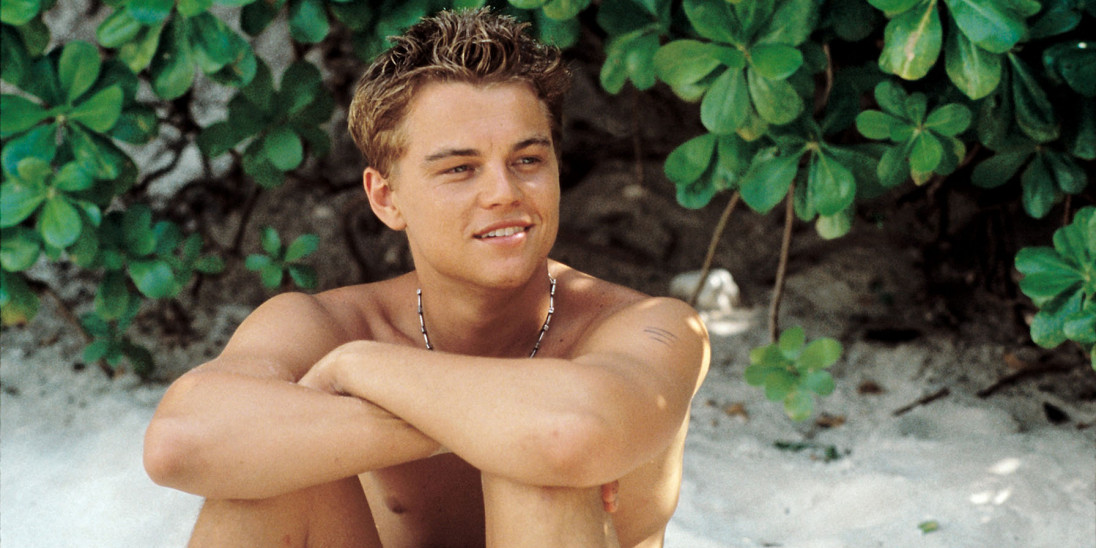
In between the hugely acclaimed Trainspotting and 28 Days Later, Danny Boyle made this drama starring a post-Titanic Leonardo DiCaprio. However, it ended up getting a rather frosty reception from critics, who had praise for DiCaprio but questions about the story and whether the film really worked.
Based on the 1996 novel by future Boyle collaborator Alex Garland, it follows a young American backpacker (played by DiCaprio) and a French couple who travel to an island in Thailand looking for a secret location on a map, only to discover a strange and sinister community there. But while the book was well received, the film left much to be desired, so a new adaptation in either a film or a TV series format might work well and adhere more closely to the themes of the novel. Like with Audrey Hepburn and Breakfast at Tiffany’s, finding someone with the star power of Leo would be tricky, but there’s potential.
Nineteen Eighty-Four
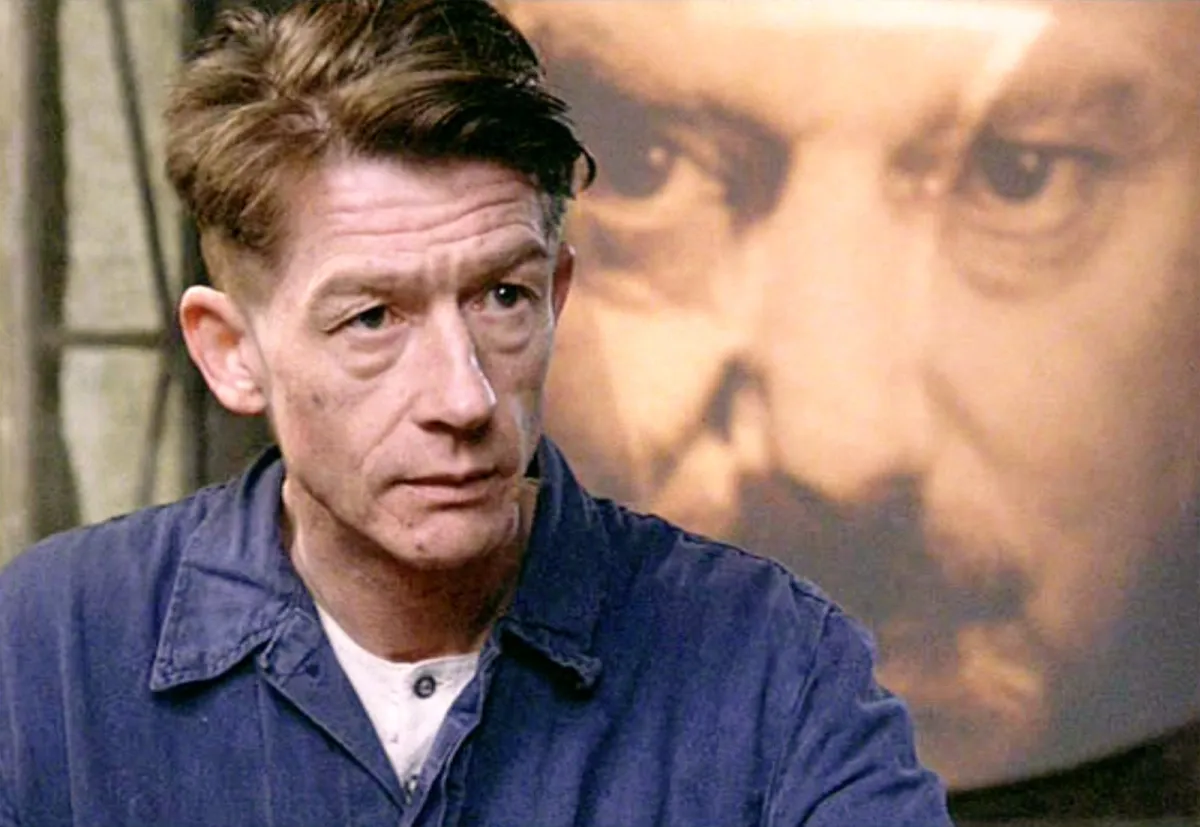
Yet again, Nineteen Eighty-Four has a previous adaptation that was good, with John Hurt starring as Winston Smith, and a suitably bleak depiction of a dystopian world. Which is why this one would perhaps also do well as a miniseries, allowing for a closer adaptation of the novel. The plot, if you don’t know, concerns Winston living in the oppressive Oceania, a totalitarian state led by the mysterious Big Brother.
The John Hurt version wasn’t even the first adaptation either, with a previous one in the 50s. But I’ve put it on this list primarily because George Orwell’s work has remained so relevant, with its warnings of an autocratic government and how thought and speech can be restricted. Much has been made about us living in an age of disinformation, and a comparison to the book is made practically every day in some capacity- so given the lasting importance of the novel’s message, is Orwell’s story worth a revisit?