Polina Sychova Is The Woman Shaping London’s Most Exciting Restaurants, We Deep Dove Into Her Design Secrets
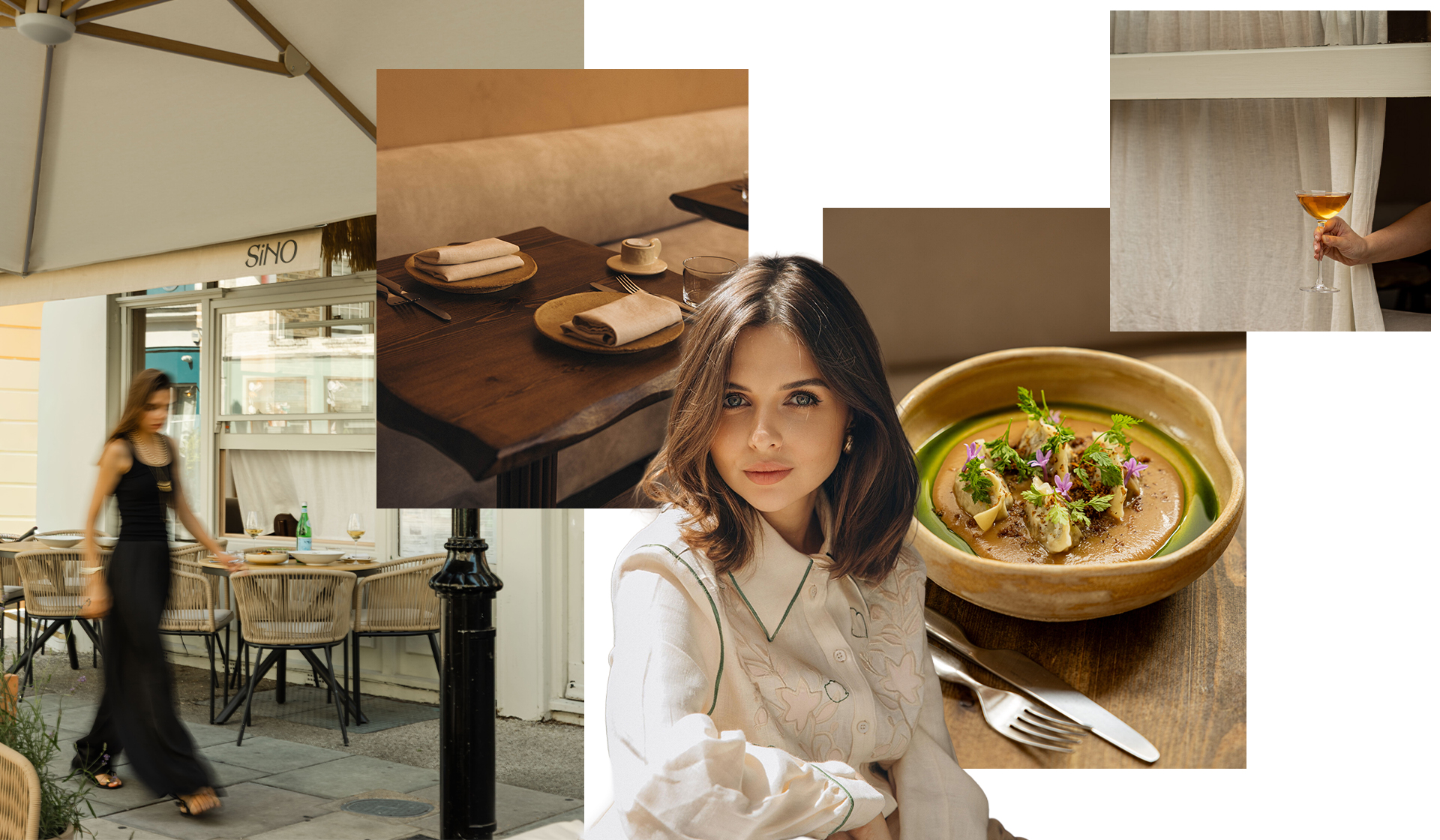
It is not a frequent occurrence for restaurant designers to receive the credit they deserve. While the food, drink and menu are integral to the overall experience, a restaurant cannot evolve into its fullest form without interiors and ambience to match. Those elements are brought together by designers who take a restaurant’s story and realise it in a tangible, visual way.
People might not read a history book or visit a museum, but they’ll sit around a table and share a meal.
Polina Sychova
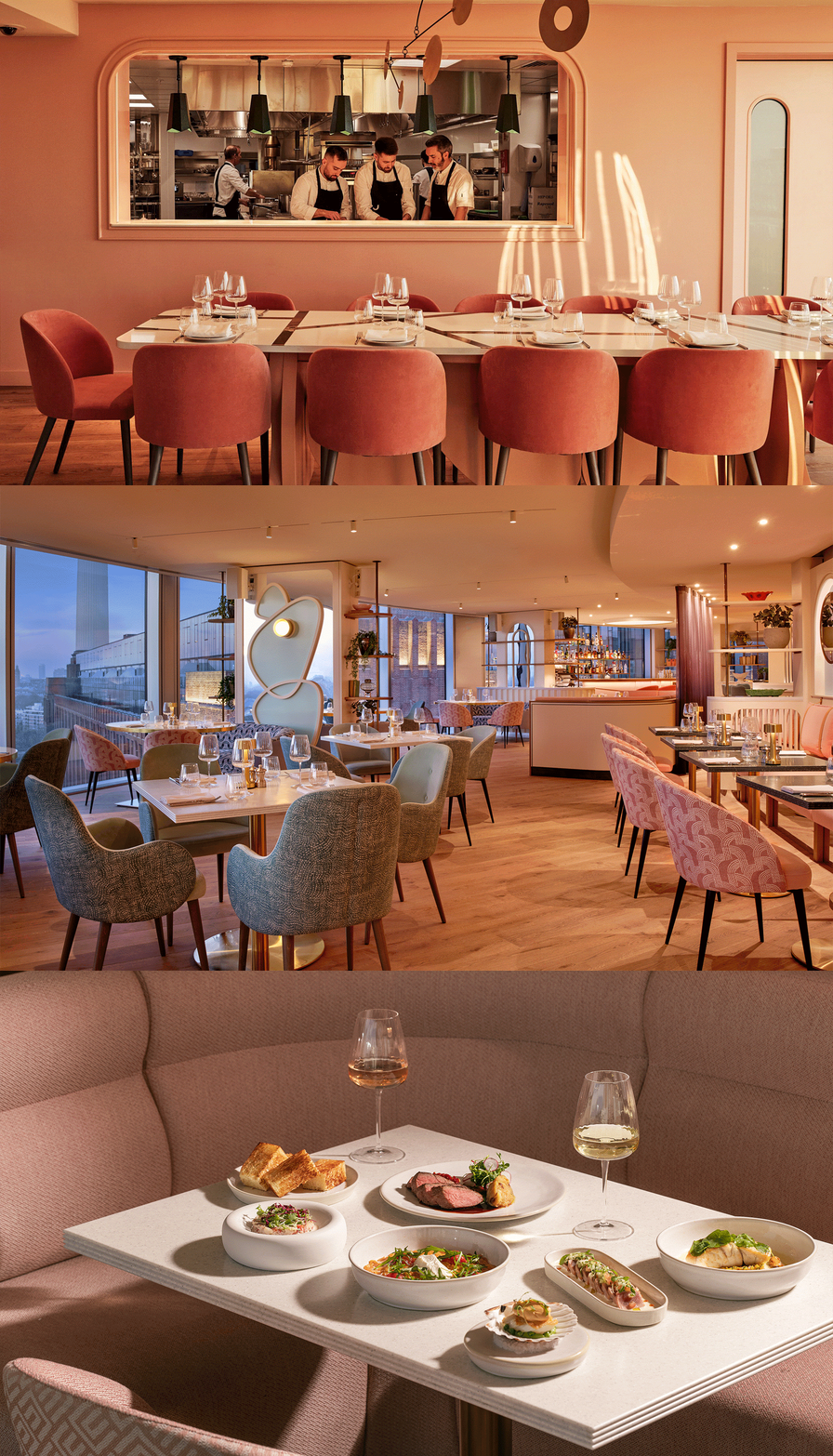
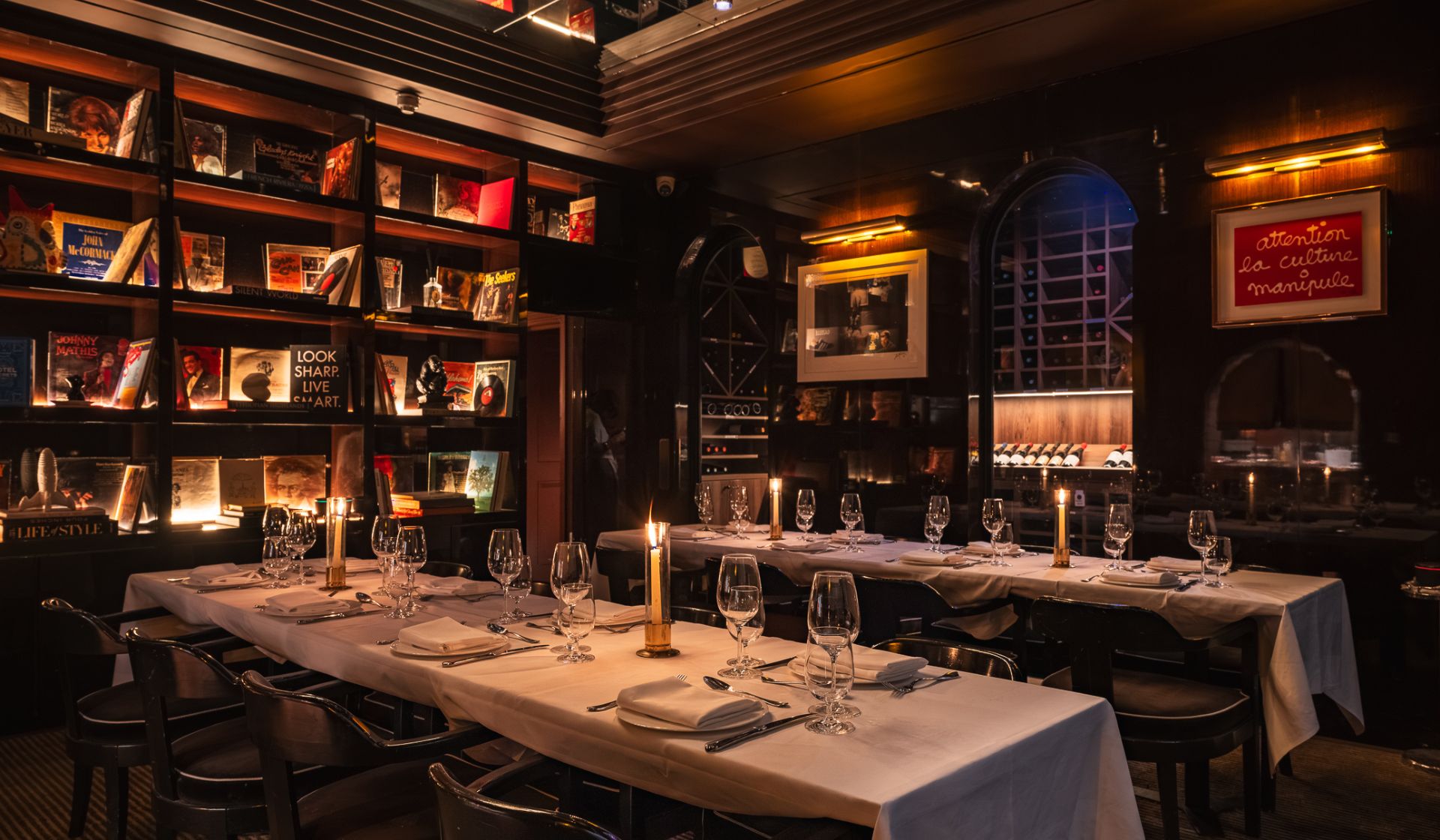
Born in Ukraine, Polina Sychova has built a career spanning interiors, hospitality and restaurant design, using spaces as a way to tell stories as much as serve food. As an interior designer and restaurant founder, she is the mind and eye behind some of London’s best restaurants — including several of my own favourites. Her spaces evoke stories that extend far beyond good food. SINO, Oudh 1722 and Pyro have become masterclasses in how to build a restaurant. This is a map inside the mind of the person who brought them to life.
What can a restaurant communicate about a country that news headlines can’t?
You can’t really understand a country from the news, but you definitely understand it when you sit around a table. Food has a way of breaking down barriers. You taste family recipes, traditions and little details that never make the headlines. That’s the magic of restaurants.
SINO feels like an incredibly personal restaurant. At what point and how did you realise you didn’t just want to open a restaurant but that you wanted to tell the story of Ukraine through hospitality?
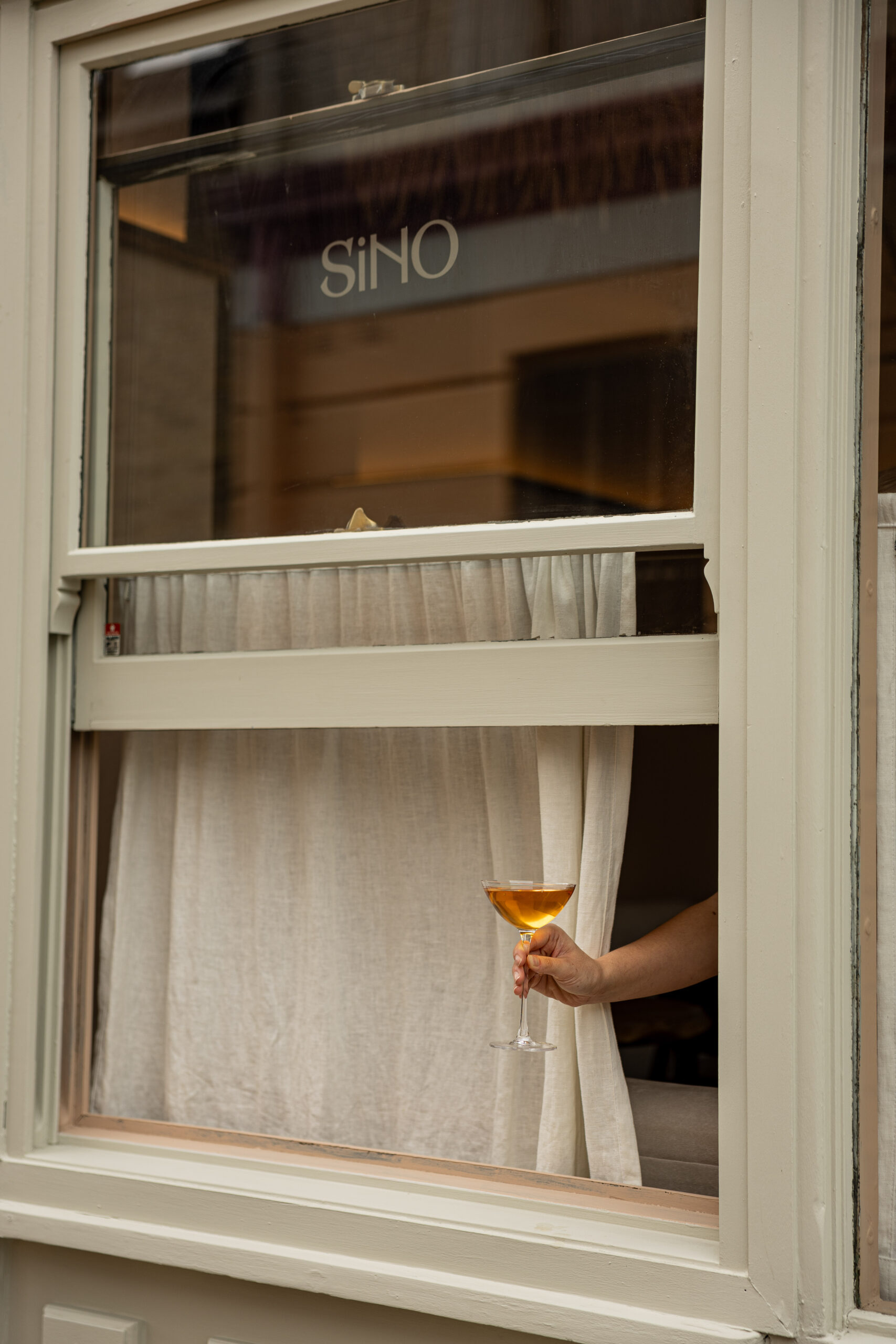
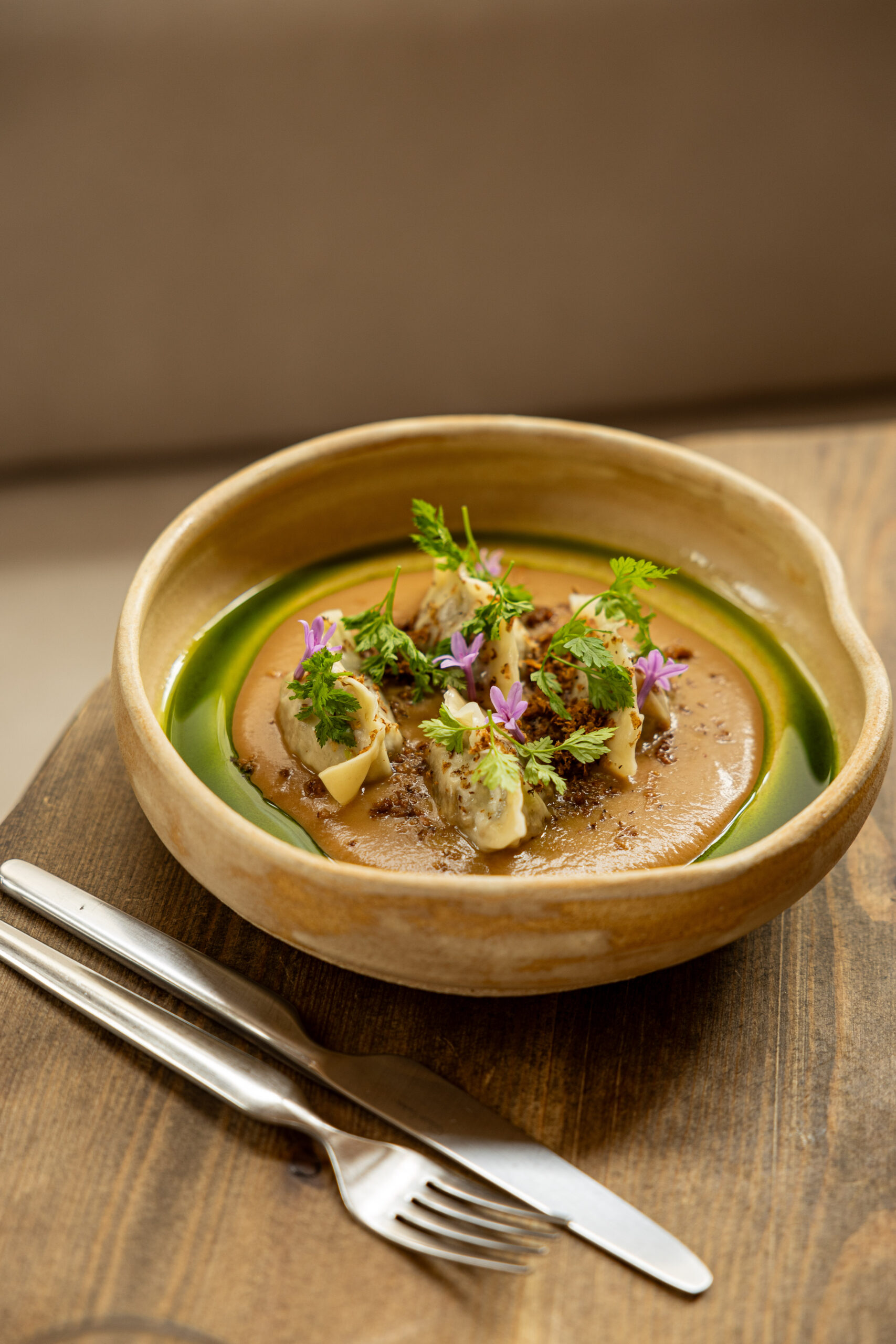
It all happened very naturally; there wasn’t a single moment that helped me to decide that. I’m Ukrainian, and growing up I was always incredibly proud of where I came from. But when people spoke about Ukraine, it was about politics or, more recently, the war. There was so much more that people never got to see.
So for me, SINO became a way of sharing the Ukraine I know. The food I grew up with, and the food that developed from there, the warmth, the hospitality, the incredible talent and creativity that exists there. I think people have yet to discover the amount of creativity that comes from Ukraine. I wanted people to come in with no expectations and leave having discovered something they didn’t know before.
What is soft power?
People might not read a history book or visit a museum, but they’ll sit around a table and share a meal. Food has a way of creating curiosity and breaking down stereotypes without anyone even realising it. If someone leaves SINO seeing Ukraine as a country of creativity, craftsmanship and incredible hospitality, then we’ve done something much bigger than serving dinner.
Food has a way of creating curiosity and breaking down stereotypes without anyone even realising it.
You have worked across fashion, interiors and now restaurants. Looking back, do you think those were separate careers, or have they all been leading towards the same thing?
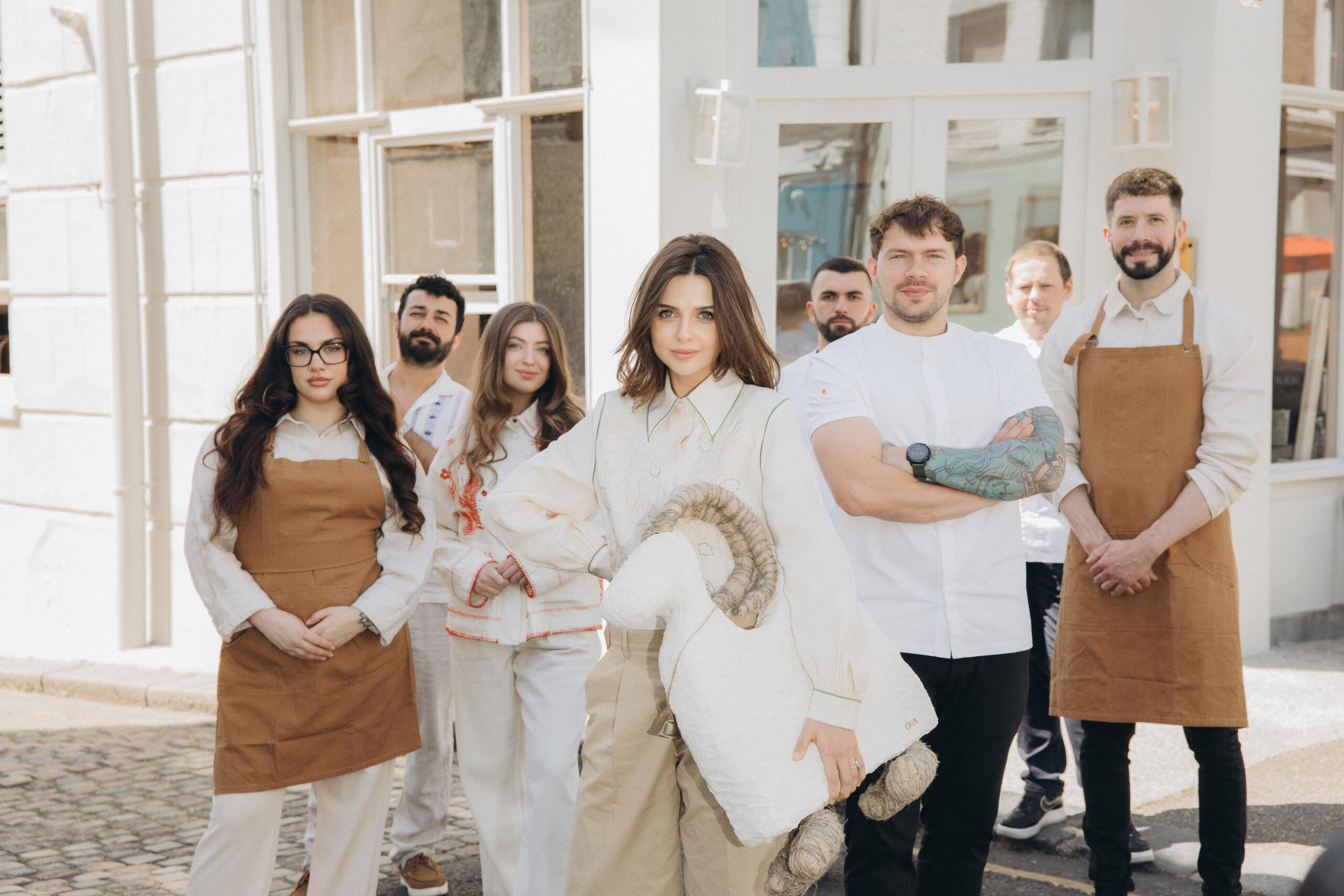
I’m a big believer in doing what you love, so I always did what excited me the most. But looking back now, I can see they were all leading me here. I’ve always loved creating things that make people feel something. Whether it was fashion, designing spaces or restaurants, it’s always been about creating an experience rather than just a product.
Fashion taught me about identity and detail; interiors taught me how spaces make people feel; and restaurants brought everything together. Today, alongside SINO, I’m designing hospitality concepts, and I realise that what I’ve always loved most is creating places that people genuinely want to spend time in. I don’t really see myself as someone who just opens restaurants. I love building concepts from the ground up – thinking about the story, the interiors, the atmosphere, the branding, the music, how people move through the space and, of course, the food. Every detail has to feel intentional.
You’ve now designed SINO, Pyro and Oudh 1722, three restaurants that feel incredibly individual. Where do you begin when you’re creating a new space?
I always start with the story. Before thinking about materials or colours, I ask what I want people to feel when they walk through the door. Every project has a different narrative. SINO was about telling the story of modern Ukraine, Pyro has a completely different energy, and Oudh 1722 is inspired by the history of Lucknow. Once that story is clear, the design naturally follows.
I don’t really see myself as someone who just opens restaurants. I love building concepts from the ground up – thinking about the story, the interiors, the atmosphere, the branding, the music, how people move through the space and, of course, the food.
Do you think restaurant interiors are as influential as the food itself?
Absolutely. Great food might bring someone in once, but the atmosphere is what makes them want to come back. The best restaurants create a complete experience, where the food, design and service all feel like they’re telling the same story. When those things are in sync, that’s when a restaurant becomes memorable.
What’s one design decision guests rarely notice, but completely changes how they experience a meal?
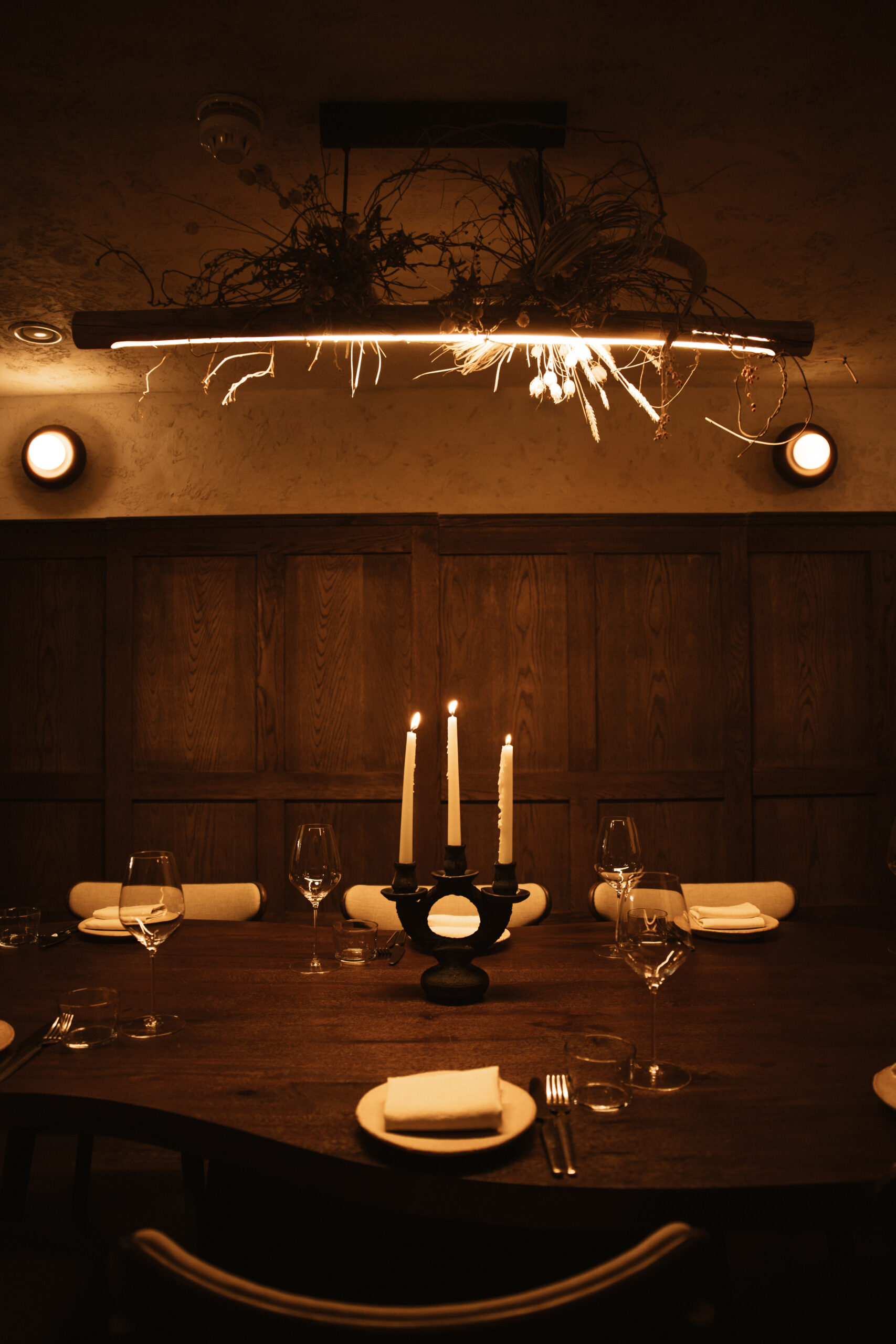
Lighting. Most people don’t consciously notice it, but it changes everything, from how the food looks to how comfortable and relaxed you feel.
I wanted people to come in with no expectations and leave having discovered something they didn’t know before.
Where do you find inspiration when you’re starting a completely blank project?
Mostly through travelling. I do most of my projects while I’m travelling; seeing different cities, restaurants and cultures gives me a fresh perspective. That’s usually when the best ideas come to me.
What makes you want to take on a project?
For me, it has to be a concept I genuinely believe in. I love working with founders who want to create something with a real identity, not just another restaurant.
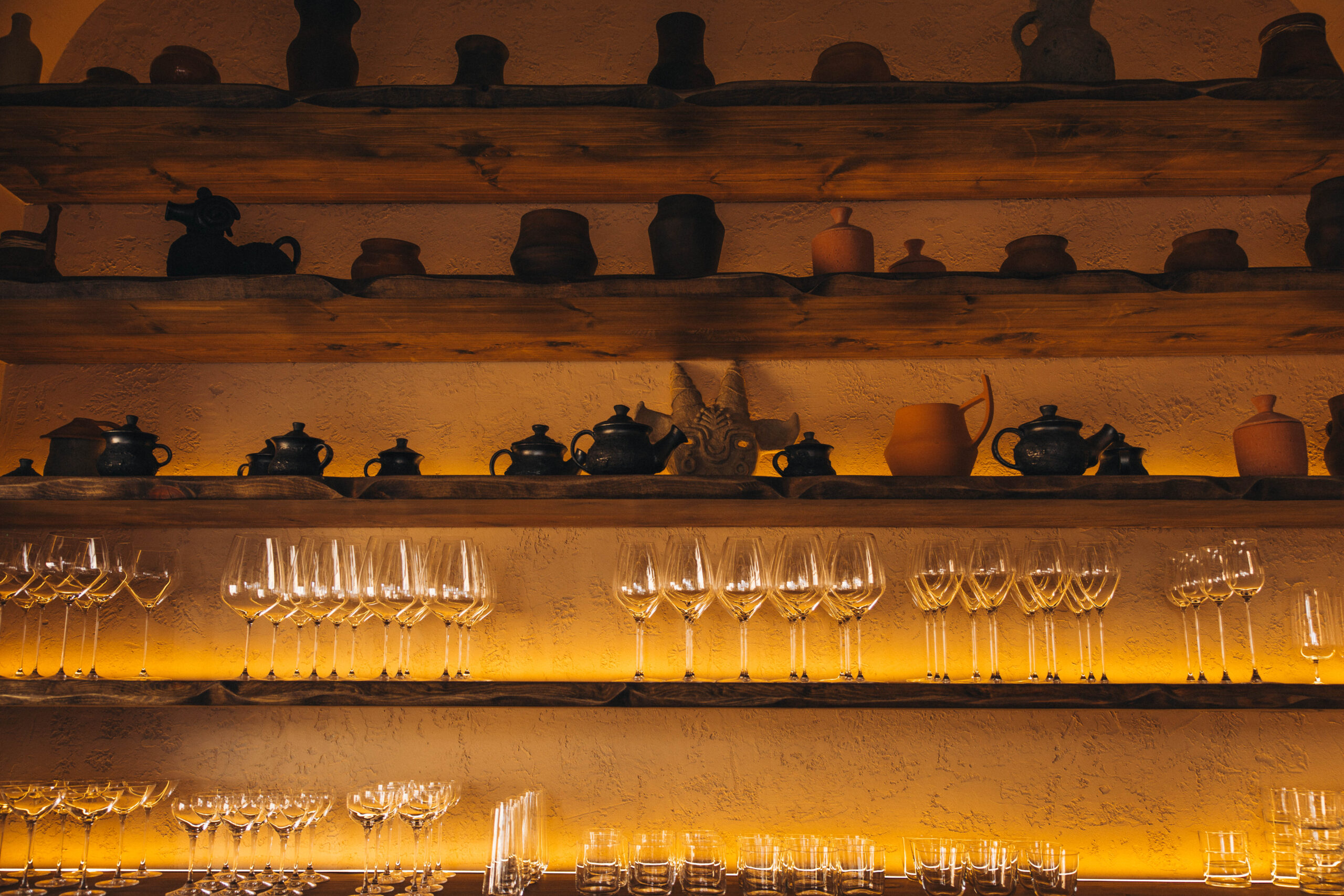
Every ceramic, light fitting and decorative detail at SINO comes from Ukraine. Was there ever a moment where you questioned whether that level of authenticity was worth the logistical challenge, or was it always non-negotiable?
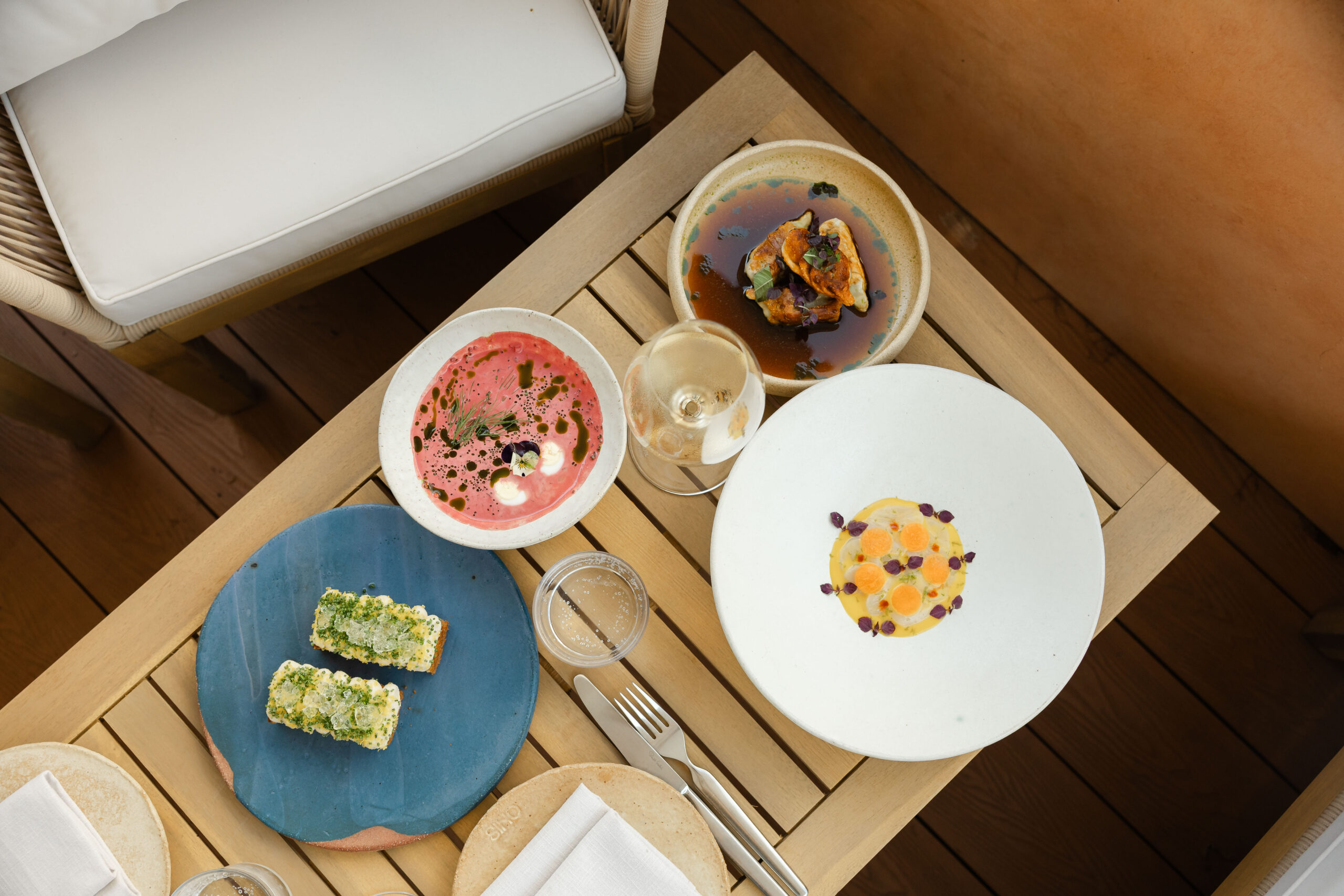
It was never really a question. If we were going to tell the story of Ukraine, it had to be authentic. Of course it was more complicated, especially with everything happening in the country, but that made it feel even more important. Every piece has a story, and I think people can genuinely feel that when they visit SINO.
Before opening, what was the biggest misconception you felt London had about Ukrainian food? Has that changed since SINO launched?
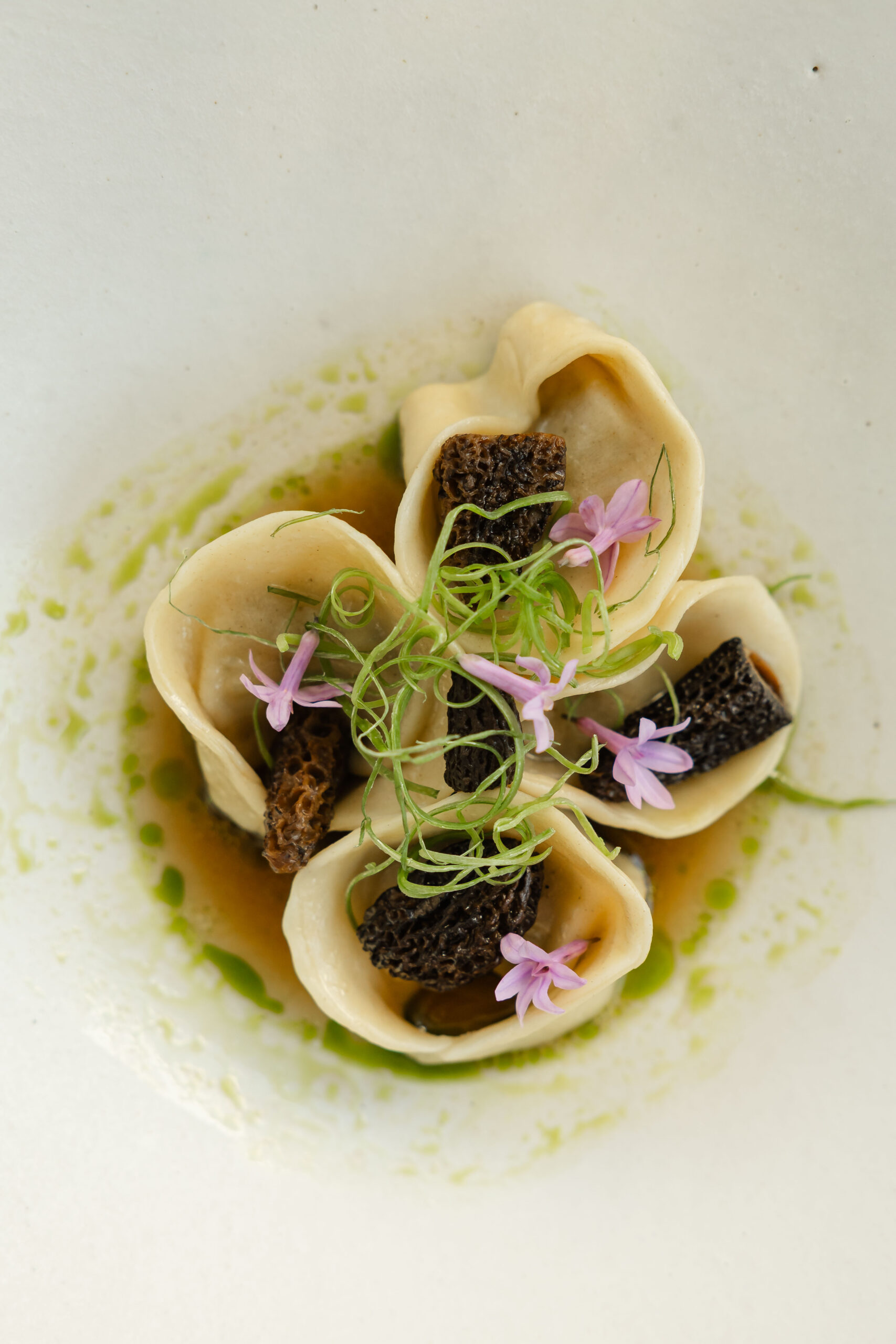
I think a lot of people associated Ukrainian food with being very heavy or only knew dishes like borsh and pierogi. There wasn’t much understanding of how seasonal, refined and diverse it really is. My hope was never to reinvent Ukrainian food, but to show it in a way people hadn’t experienced before. Since opening SINO, I’ve loved seeing guests leave surprised. They come expecting one thing and leave talking about the ingredients, the flavours and the story behind them. That’s exactly what I hoped would happen.
You’ve helped shape some of London’s most exciting restaurant openings over the past year. Is there a particular direction you hope restaurant design moves in over the next decade?
I really hope we move away from designing spaces just to be photographed. The best restaurants I’ve been to are the ones that make you feel something, not just look good on Instagram. I’d love to see more places with real personalities, where every detail has a reason behind it, and the design tells a story that’s impossible to copy. That’s the kind of space I want to keep creating.
When someone leaves a restaurant you designed, what’s the one feeling or thought you hope they take away with them?
For me, the best compliment isn’t that a restaurant is beautiful; it’s that people keep thinking about it afterwards. I want the space to stay with them, just like a great meal does.
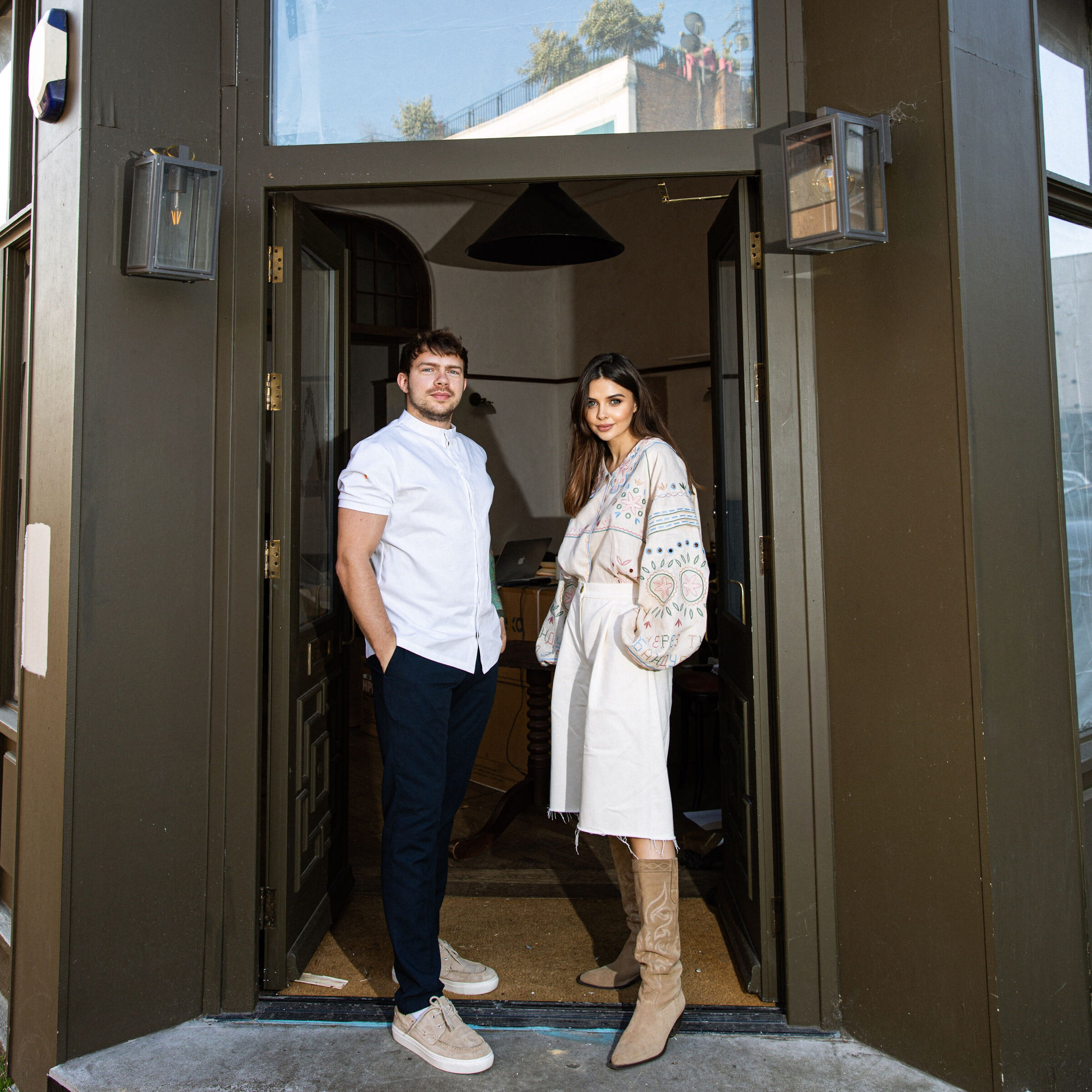
Great food might bring someone in once, but the atmosphere is what makes them want to come back.
Top 3 restaurants in London
I’d say A. Wong, Humble Chicken, and Jean-Georges at The Connaught. They all do very different things, but what I admire is that each has a really clear point of view. A. Wong is one of the most exciting restaurants in London because of the creativity and precision of the food. Humble Chicken is incredibly bold and focused, and Jean-Georges at The Connaught delivers that effortless level of luxury that always feels timeless. Those are the kinds of restaurants that inspire me, not because they follow trends, but because they know exactly who they are.
Top 3 designers
I’d say Red Deer, Faye Toogood and Studioilse. What I admire about all three is that they create spaces that don’t rely on decoration to make an impression. Their work has depth, emotion and a real sense of place. It’s the kind of design that gets better the longer you spend in it, and that’s something I always aspire to create.