“I’m A Film Writer & This Is What I Honestly Thought Of The New Sense And Sensibility”
Making a Jane Austen adaptation is always a tough task, with plenty of Austen fans ready to scrutinise it with a keen eye. Ang Lee’s 1995 version of Sense and Sensibility, with Emma Thompson, Kate Winslet, Hugh Grant and Alan Rickman, has become particularly beloved- so much so that when a new film version was announced, there was the inevitable “what’s the point” response from some.
Thankfully, this somewhat modernised and more “Gen Z” version, starring Daisy Edgar-Jones and Esme Creed-Miles, does enough differently to justify its existence, offering a more intimate, earthy and emotionally intense interpretation.
What is Sense and Sensibility about?
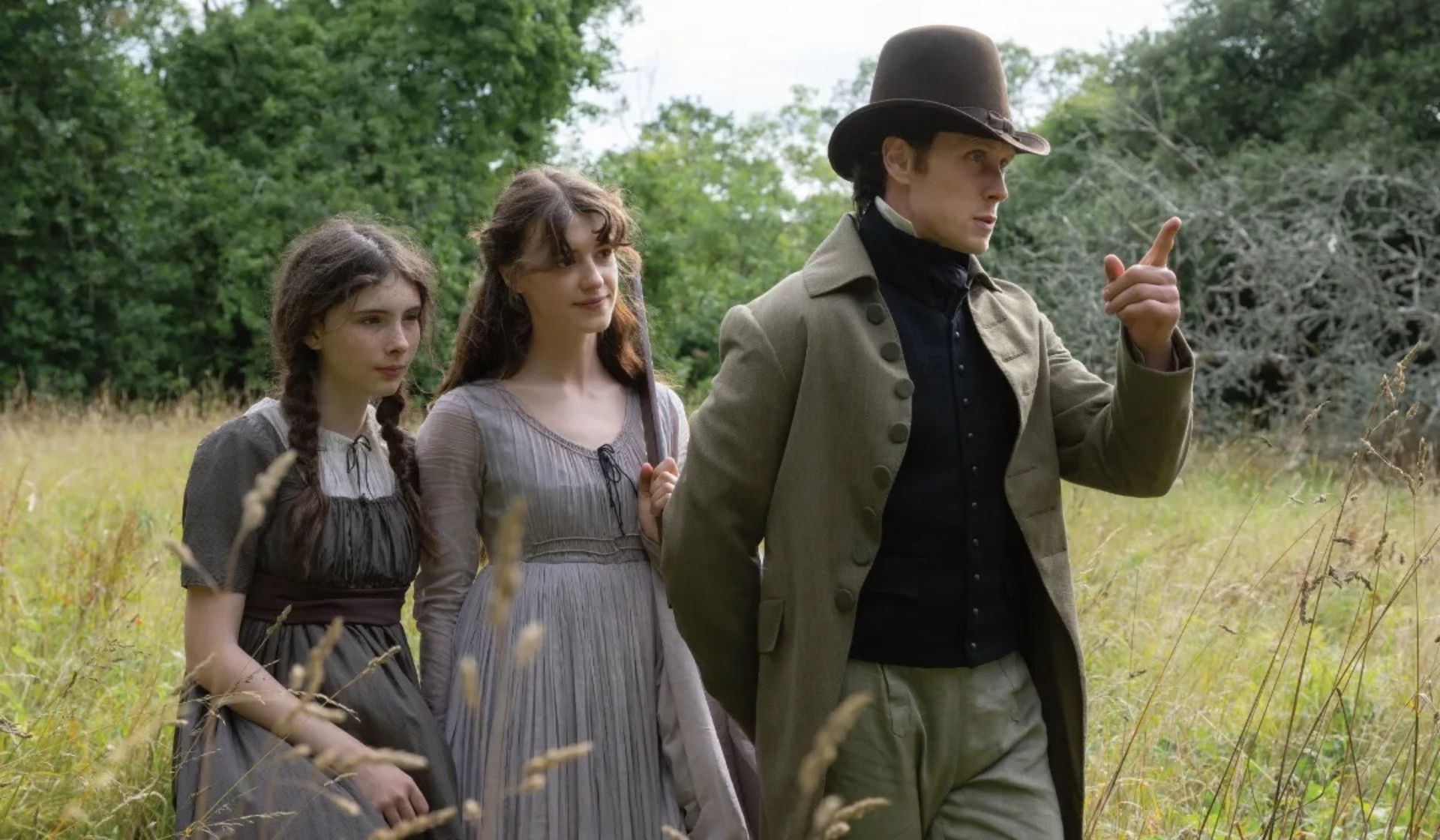
The story has not been hugely changed. After the death of their father, the Dashwood sisters, composed of the sensible eldest daughter Elinor (Daisy Edgar-Jones), passionate Marianne (Esmé Creed-Miles) and younger sister Margaret (Bodhi Rae Breathnach) are left at the mercy of the inheritance system that governs their world.
Their half-brother inherits the family estate, leaving the women with significantly reduced circumstances and forcing them to move to a modest cottage in Devon with their mother (Caitríona Balfe). From there, Elinor finds herself falling quietly for Edward Ferrars (George MacKay), while Marianne becomes swept up in the much more immediate charms of John Willoughby (Frank Dillane). Meanwhile, Colonel Brandon (Herbert Nordrum) watches Marianne from the sidelines. So far, so Austen.
What’s different in this version?
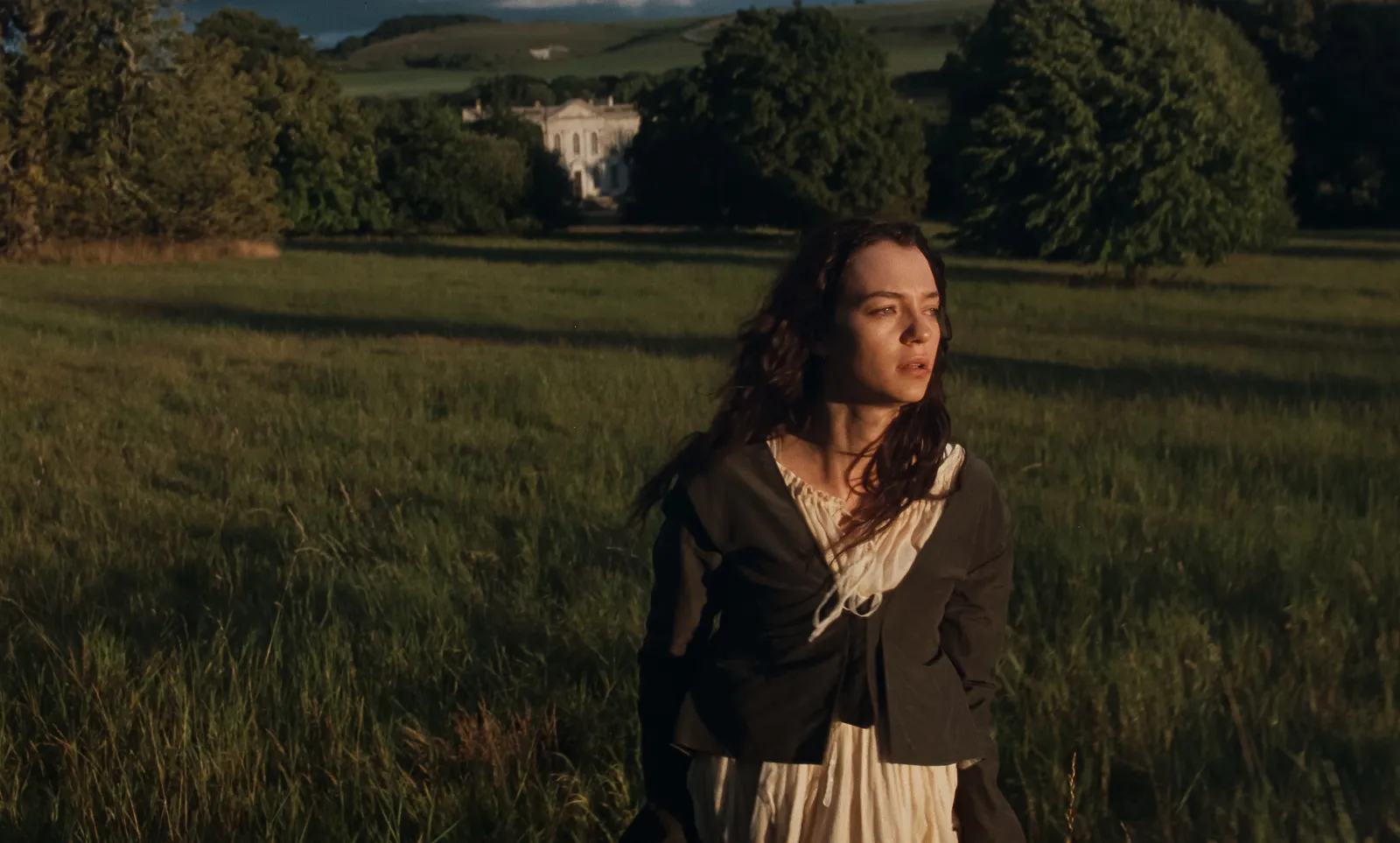
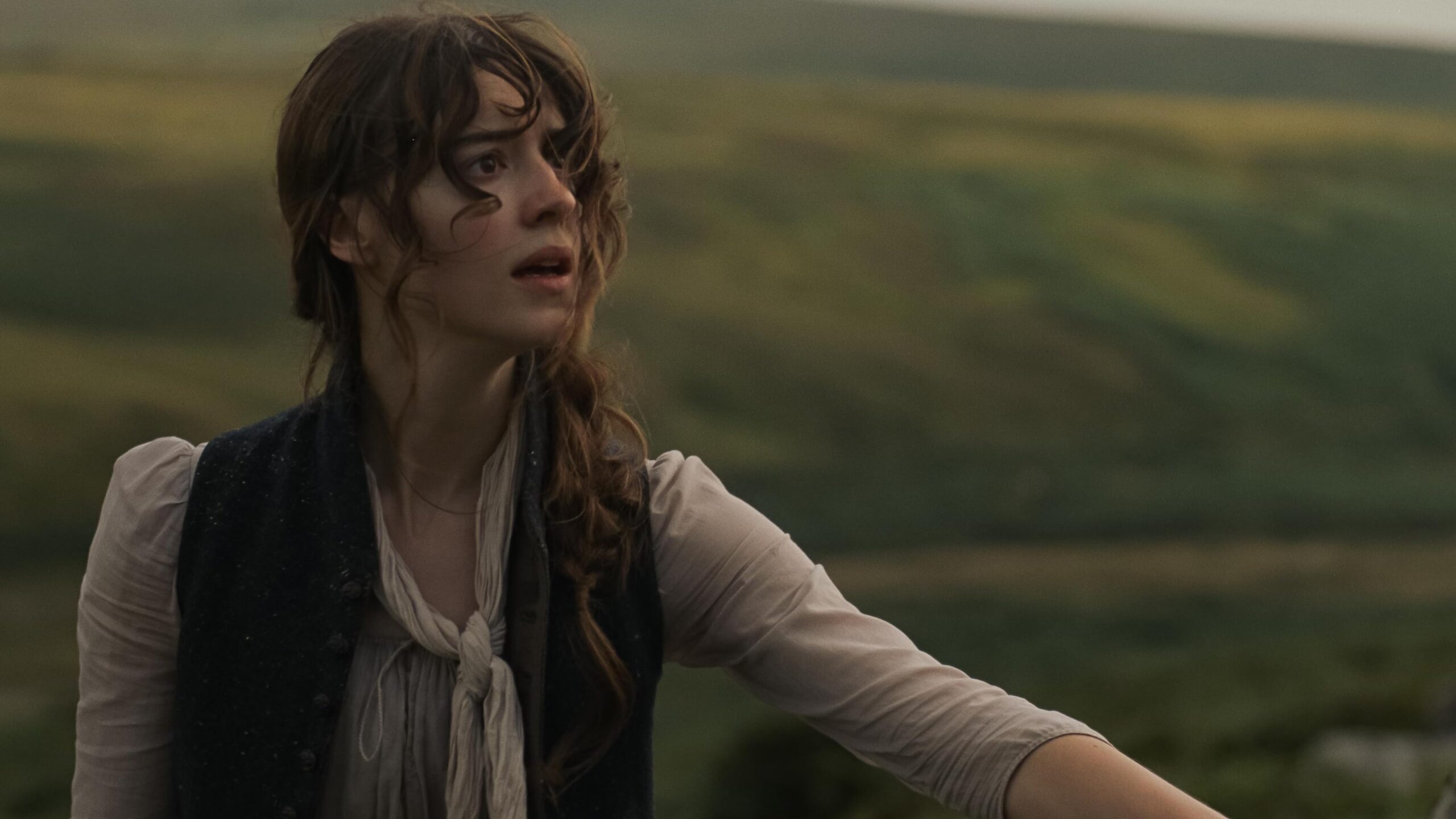
What makes Oakley’s version stand out is its refusal to simply recreate the polished Regency world of the 1995 film. This reinvention of the story is more pensive, more moody, and perhaps a little more realistic than the Lee version. The warm, glowing 90s is replaced with a slightly harsher lens. Shot on 35mm, with naturalistic lighting and an autumnal colour palette, the film often looks closer to a romantic period drama influenced by the Brontës than the bright, lavish Austen adaptations of the past. But I thought it gave things a little more weight- though that’s not to say this is dour and monotone, just quite down to earth. This film doesn’t reinvent the wheel, it’s still a quite standard period drama, but it does what it sets out to do well.
What makes Oakley’s version stand out is its refusal to simply recreate the polished Regency world of the 1995 film. This reinvention of the story is more pensive, more moody, and perhaps a little more realistic than the Lee version.
Rufus, Contributing Entertainment Writer

A Gen Z Austen adaptation?

That brings us to the film’s most obvious target audience: Gen Z. 2026’s Sense and Sensibility is very much a film about yearning, and the director appears to understand that this is something younger audiences have embraced wholeheartedly. The restrained romance of Austen’s world is transformed into something more immediate and visceral, particularly through Marianne’s perspective. Creed-Miles gives the character, who anyone who’s familiar with the book knows represents “Sense”, a rawness that makes her romantic idealism feel like a relatable, all-consuming experience of being young and hopelessly in love.
2026’s Sense and Sensibility is very much a film about yearning, and the director appears to understand that this is something younger audiences have embraced wholeheartedly.
Daisy Edgar-Jones, who is a bigger name draw for her work in Normal People and Twisters, meanwhile, is reliably good as Elinor, bringing a quieter emotional intelligence to a character who is constantly attempting to control what Marianne allows herself to feel (she represents “Sensibility”. But the film also felt, to me, like it could be relevant for a younger generation that feels unsure of the future. I won’t delve into a political analysis, but Elinor and Marriane’s economic woes that stem from the loss of their father seem to have something in common with a modern generation trying to find its feet- and its voice.
The sisterly relationship is ultimately where this adaptation is at its strongest- and you can tell by the way the posters and trailers emphasise it. Rather than treating Elinor and Marianne simply as two opposing personalities, the film shows how much these women actually need one another. Their different approaches to love gradually become complementary, with each sister learning something from the other. There is a genuine tenderness to their relationship, and the film understands that Austen’s story isn’t simply about finding the right man. It is also about growing up, becoming your own woman, understanding yourself and discovering how to navigate the world- even though it’s one quite different to our present day.
Who else is in the cast?
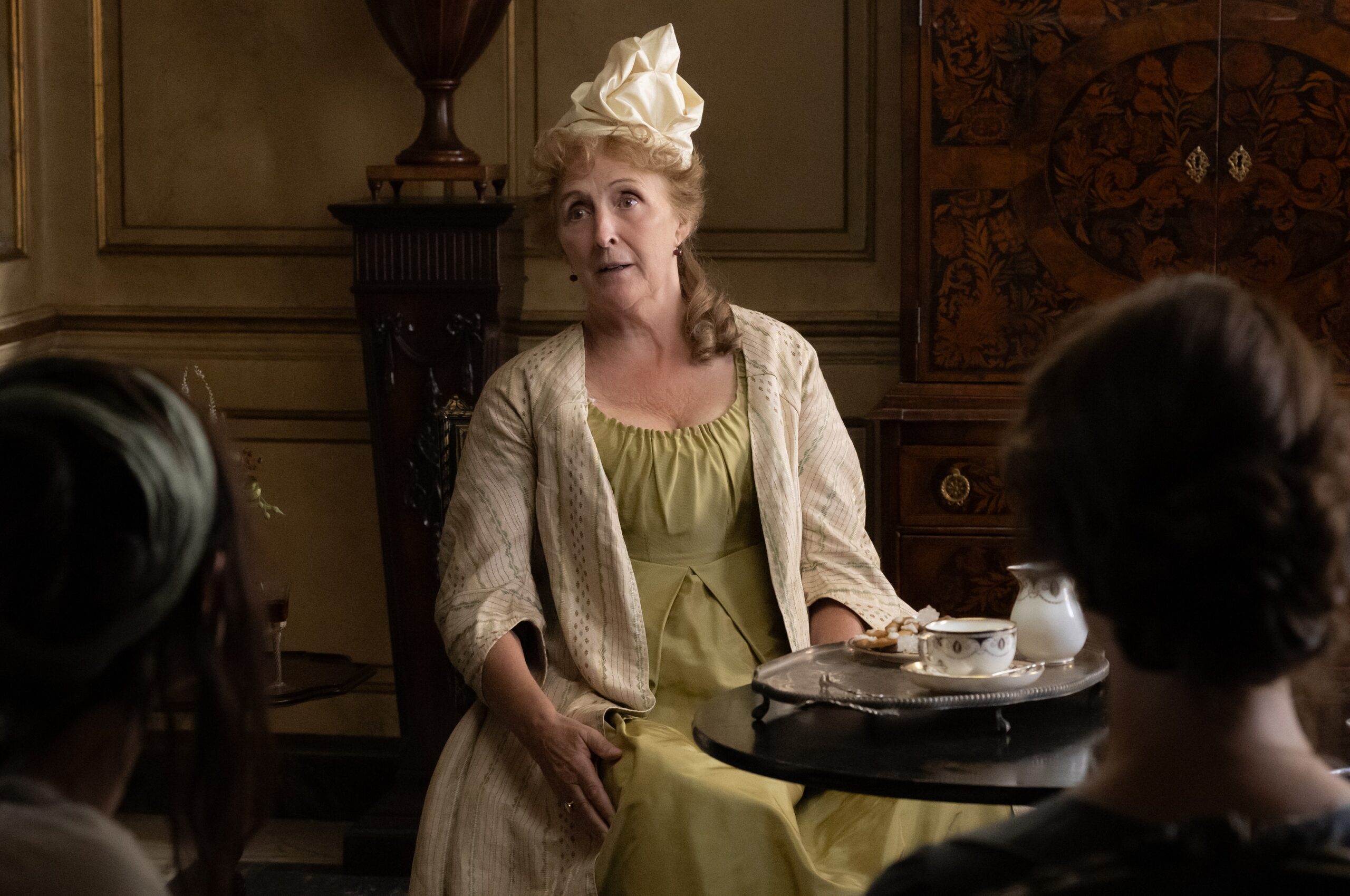
Some of the supporting actors in the film are highlights that deserve shoutouts. Fiona Shaw provides some much-needed comic energy as the wonderfully intrusive Mrs Jennings, while George MacKay offers a very different Edward Ferrars to Hugh Grant’s famously awkward interpretation.
Some of the supporting actors in the film are highlights that deserve shoutouts.
Is it worth seeing?
Some viewers will inevitably miss the wit and exuberance of Thompson and Lee’s version, and the film’s more sombre tone won’t necessarily appeal to everyone. I do also think, just to inject some criticism, that it doesn’t quite light the world on fire, and feels like perhaps it could have achieved more given the cast.
And, unlike the Oscar-winning Emma Thompson-penned screenplay of the previous version, this one’s a bit less interesting and memorable. While I repeat that it doesn’t need to beat the 90s version, it could perhaps have made a stronger claim to being the “definitive” Sense and Sensibility. But, separating the two versions, I do think this one could inspire Gen Z to read more of Austen and other authors like her, which is no bad thing.