Why Can’t I Stop Watching Rich People’s Lives Unravel On Screen?
Turn on any streaming service in 2025 and scroll through the menus, and in amongst blockbuster franchises and true crime documentaries, you’ll begin to notice a pattern: TV shows and films which are all centred around rich, powerful and yet somehow hard-done-by people. And everyone is talking about them.
The White Lotus dominated social media throughout its third season this year; Succession is that show people keep saying you have to watch, and what was that one with Nicole Kidman? No no, the other one. Clearly we can’t get enough, but what exactly is it that makes stories about the most well-off members of society so appealing, especially when bad things happen to them?

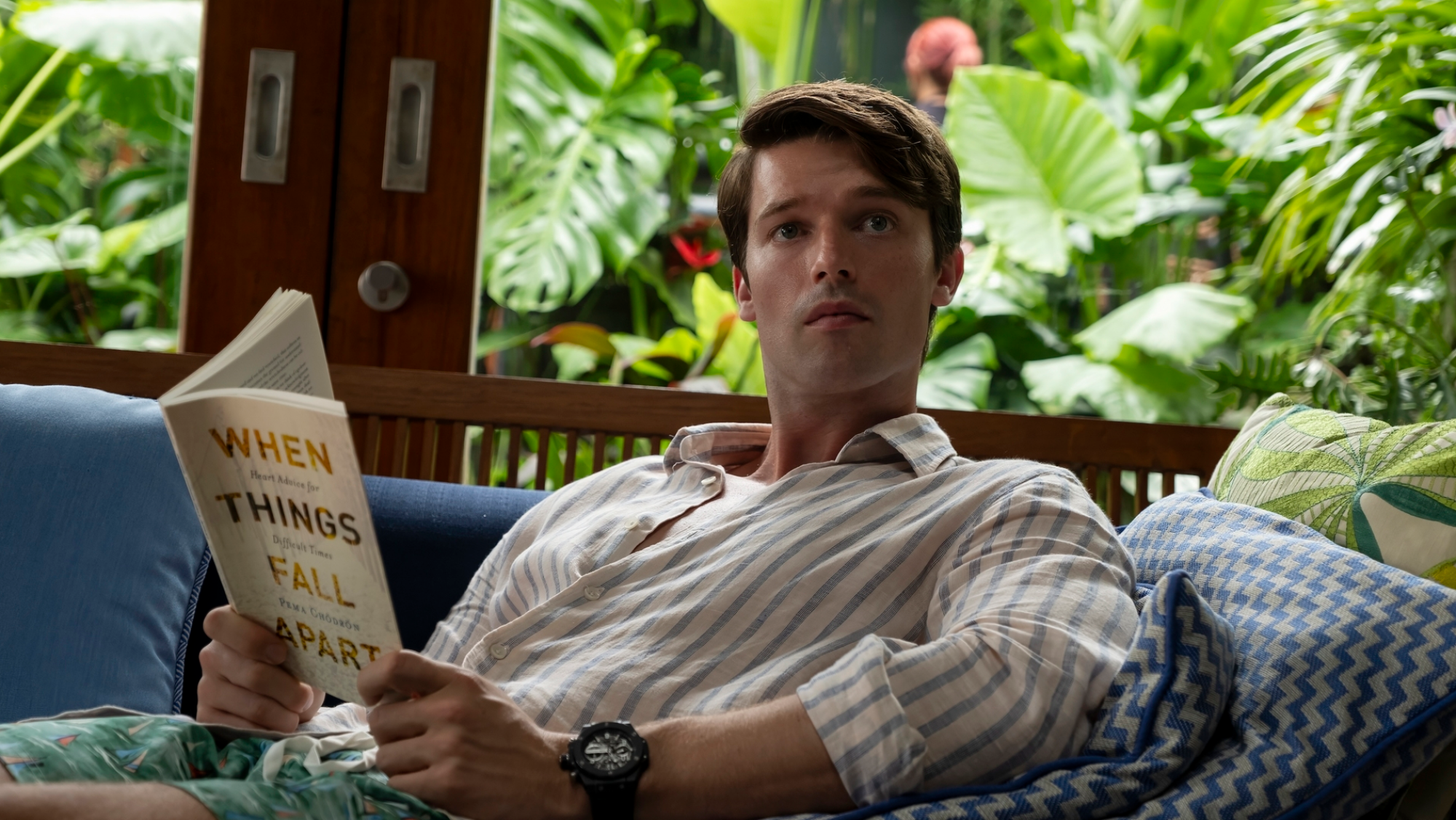
It’s not a new thing, of course- The Wolf of Wall Street, Citizen Kane and The Great Gatsby have all featured the lifestyles of monied people over the decades. But it does seem to have exploded in recent years in the age of ultra-high-def streaming. Friends, a show about which many jokes have been made about how they can all afford those NYC apartments, seems even more out there in 2025. The super wealthy don’t tend to hide it, so any TV show or film that follows them immediately gives us something appealing to look at on our modern screens: high-end fashion, huge, lavishly decorated houses in serene locations, flash cars. The members of the Roy family in Succession are often wearing sharp suits and sit around in expensive apartments or picturesque areas of Italy and Europe. Big Little Lies has those huge California mansions.
The super wealthy don’t tend to hide it, so any TV show or film that follows them immediately gives us something appealing,

With money being no object, the characters that we follow are able to live a life that’s simply out of reach for most people. Conman Tom Ripley finds just this when he’s asked to befriend the son of a millionaire in Italy, and sets off to Europe. And there’s any number of films released recently (The Menu, Glass Onion, Blink Twice) set on a private island, with palm trees and white sand, which works twofold: showing off the ultimate in excess, and creating a sense of “no escape” when events become sinister. There’s a place created onscreen that we can escape to, and it’s hard not to be entranced as you watch. The celebs themselves are probably happier to be there, too: a gritty period drama might be more likely to win an Oscar, but wouldn’t you rather film in a Spanish villa for a hefty pay cheque?
With money being no object, the characters that we follow are able to live a life that’s simply out of reach for most people.

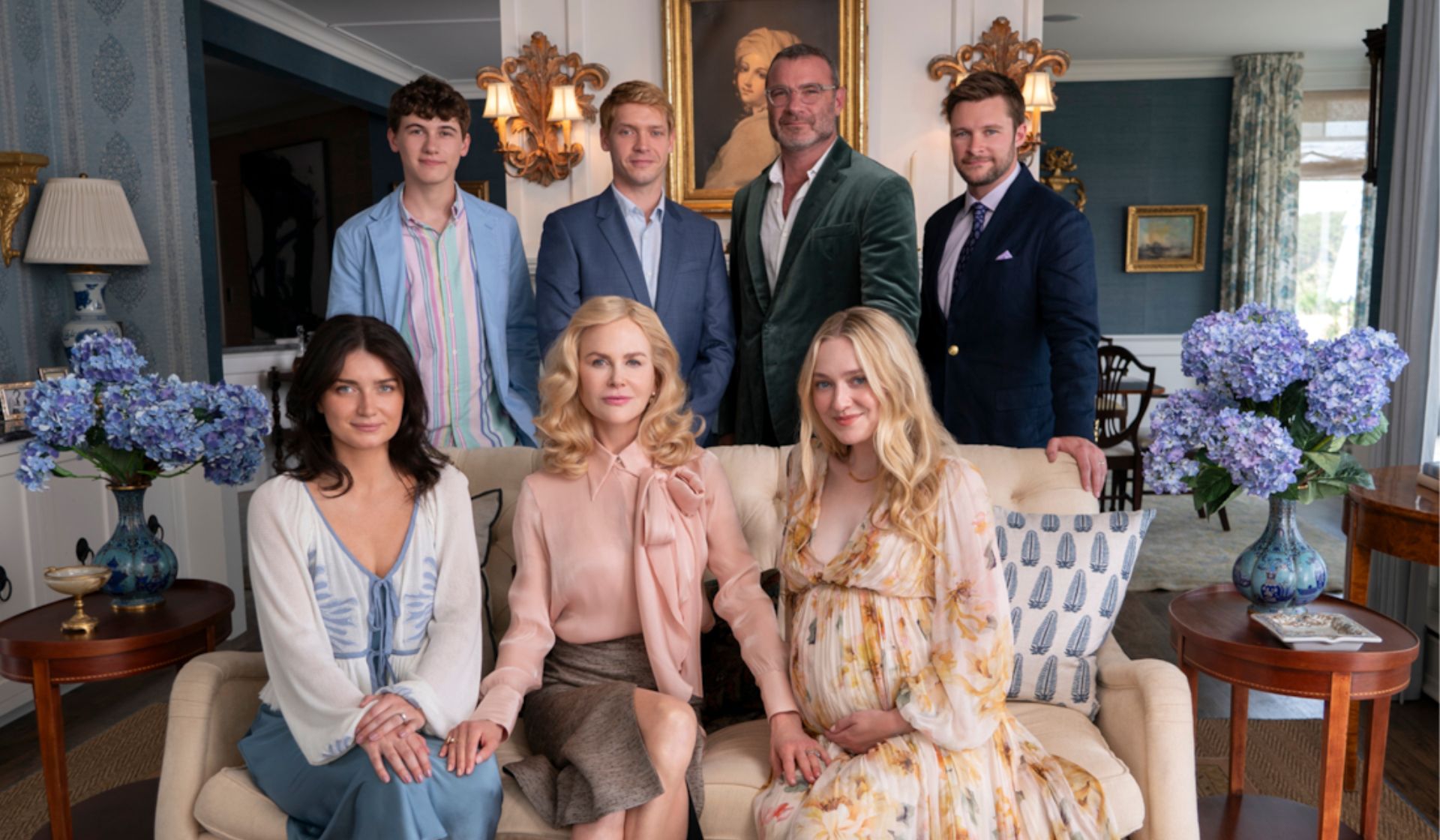
Of course not, even the dazzling dresses and endless glasses of champagne are enough to keep life perfect for the wealthy, and somehow bad things keep happening to those onscreen. Divorces, betrayals, murder: no one is safe, and there’s always a façade that needs to be smashed by the time the credits roll. The higher they climb, the harder they fall, right? We’re drawn to the idea that even very rich people don’t have it all worked out, and it makes the drama juicier. The Perfect Couple was one of Netflix’s biggest shows last year, and begins with a highly exclusive wedding being derailed by a body washed up on the beach. Suddenly everyone is a suspect, and everyone seems to have secrets. The “perfect” life can easily all go wrong, and it’s nearly always the result of the arrogance of those living it.
We’re drawn to the idea that even very rich people don’t have it all worked out, and it makes the drama juicier.
Given how much of our lives seem to be shaped by Jeff Bezos, Elon Musk and Mark Zuckerberg, billionaires are another common target for writers. There’s a sense of schadenfreude when the fictional tech bros in Glass Onion or HBO’s recent Mountainhead get their comeuppance. Scrooge in A Christmas Carol may find himself redeemed and less miserly at the end, but in today’s climate, audiences seem to prefer it all to come crashing down. As The Wolf of Wall Street shows, you can have all the money in the world and still commit crimes, and in fact, often skirting the law only makes you richer. Whether it makes you happier is another question.

But whether in the cinema or on Netflix or even in adverts, we love to look at beautiful, aspirational people, and it’s unlikely to stop any time soon.
In The White Lotus, the characters who aren’t the richest of the rich tend to be the ones we respond to and find popularity on social media: Chelsea in Season 3, Lucia and Mia in Season 2. Tanya, star of the first season, is a wealthy self-centred heiress, but is popular in part due to her comedic OTT nature (and because of Jennifer Coolidge). The hours spent with the Roys in Succession mean we grow attached to them, even if they’re still messy and deeply flawed. “You are not serious people,” Logan tells his brethren at one point- and he’s right.
There’s plenty of entertainment out there about less fortunate, less privileged people, which can have a queasy nature of its own – the term poverty porn exists for a reason. But whether in the cinema or on Netflix or even in adverts, we love to look at beautiful, aspirational people, and it’s unlikely to stop any time soon.